| Key takeaways |
|---|
| • Butterfly weed (milkweed) is essential for monarchs — their caterpillars feed exclusively on it. • Choose plants with overlapping bloom times for season-long butterfly activity. • Full sun is non-negotiable for nectar plants — butterflies only feed in direct sunlight. |

You can turn your yard into a butterfly haven by giving them what they need to survive: sweet nectar and leaves for their caterpillars to eat. Filling your garden with favorites like butterfly weed, coneflower, and bee balm brings color and low-maintenance beauty to your landscape.
More importantly, you are building a much-needed habitat. America’s butterfly populations have fallen 22% in the last twenty years, so your garden truly makes a difference.
Whether you’re building a full pollinator habitat or just want more color and life in your yard, a Lawn Love’s local gardening pro can help you plan for continuous blooms all season long.
What do butterflies need in a garden?
To bring butterflies to your garden, you need to support their entire life cycle.
“The single most important thing for homeowners to attract butterflies is planting host plants,” says Jessica Mercer, PhD, horticulturist at Plant Addicts.
“A yard full of nectar flowers will draw adult butterflies, but if it doesn’t provide a place to lay eggs and feed caterpillars, it only supports one stage of the life cycle.”
To create a balanced butterfly garden, Mercer recommends following these tips:
- Provide host and nectar plants: Plant host varieties (like milkweed) to feed caterpillars, and nectar flowers to nourish adult butterflies.
- Plant in visible clusters: Groupings of the same plant are much easier for flying butterflies to spot from a distance than single, scattered flowers.
- Prioritize full sun: “Sunlight placement is really important for butterflies. Butterflies are cold blooded, so they need sun to warm their wings for flight, and most butterfly plants bloom and produce the most nectar in at least six hours of direct sun,” Mercer says.
- Skip the harsh chemicals: Mercer says to “reduce broad pesticide use and hand-pick pests instead,” noting that slightly chewed leaves are often just a sign of healthy caterpillar activity.
Pro tip: “If you absolutely must spray chemicals, apply targeted treatments in the early or late part of the season when pollinators are not active,” she says.
Read more: How to Turn Your Lawn into a Garden
Top 12 plants for attracting butterflies
1. Butterfly weed (Asclepias tuberosa)

Known for its bright orange summer blooms, butterfly weed (milkweed) is essential for attracting monarchs. “Butterfly weed is important for monarchs because it is a milkweed, and monarch caterpillars can only develop on milkweed,” Mercer says.
To support growing larvae, she advises: “You can help monarchs complete their full life cycle by providing milkweed species native to your region.”
- USDA Hardiness Zones: 3–9
- Bloom: Summer
- Type: Perennial
- Sun: Full sun
- Water: Drought-tolerant
2. Coneflower (Echinacea)

These tall perennials with spiky centers and pink or purple petals attract many species, and their dried seed heads feed winter songbirds.
“It offers nectar to butterflies and bees, tolerates drought and cold well once established, and is usually reliable in full sun and well-drained soil,” Mercer says.
Though generally low-maintenance once established, climate matters.
”It did not grow well for me in poor, dry soil in the Pacific Northwest, but here in the Northeast, with ample summer rainfall, I grow it easily in full sun and average garden soil.”
- Zone: 3–8
- Bloom: Summer–fall
- Type: Perennial
- Sun: Full sun
- Water: Drought-tolerant plant
3. Black-eyed Susan (Rudbeckia hirta)

A classic prairie wildflower brings bright golden yellow color to your flower beds. The petals contain ultraviolet patterns that act like runway lights to guide insects straight to the nectar. Black-eyed Susans work perfectly as a border plant or mixed into a large meadow setting.
- Zone: 5–9
- Bloom: Summer–fall
- Type: Annual or perennial
- Sun: Full sun
- Water: Drought-tolerant
4. Blazing star (Liatris spicata)

Also called gayfeather, this North American prairie native sends up tall, firework-like spikes of purple flowers to add great vertical height to your garden beds. The fluffy blooms provide the perfect texture for monarchs and swallowtails to cling to while they feed.
Plant blazing star in full sun with well drained soil.
- Zone: 3–9
- Bloom: Late summer–fall
- Type: Perennial
- Sun: Full sun
- Water: Drought-tolerant
5. Joe-pye weed (Eutrochium fistulosum)

This towering perennial can reach up to 8 feet tall in the right conditions. It features massive clusters of vanilla scented pink flowers that bloom in the late summer.
Large, frilly flower clusters are especially attractive to swallowtails, and migrating monarchs depend on its nectar for fuel during fall migration. Joe-pye weed requires consistent moisture. This makes it a great choice for low spots in your yard that tend to stay wet after a heavy rain.
- Zone: 4–10
- Bloom: Midsummer–fall
- Type: Perennial
- Sun: Full sun to part shade
- Water: Consistent moisture
6. Goldenrod (Solidago)

Goldenrod is a crucial late season food source for butterflies. It blooms just in time to feed migrating monarchs as they travel south for the winter to reach their hibernation grounds.
Eastern monarchs increased 64% in the 2025-2026 season, covering over 7 acres of winter forest. Planting goldenrod provides the vital fuel they need for their long migration, helping sustain this positive growth.
In addition to monarchs, these blooms also attract swallowtails, painted ladies, red admirals, and native bees.
- Zone: 3–9
- Bloom: Late summer–fall
- Type: Perennial
- Sun: Full sun
- Water: Drought-tolerant
7. Lavender (Lavandula angustifolia)

Mostly pest-free and deer-resistant, lavender blooms early enough to bridge the spring nectar gap.
“Lavender attracts butterflies, but it is more effective at drawing bees. It requires full sun and sharp drainage and is typically hardy in zones 5 to 9, depending on the species,” Mercer says.
It needs specific weather conditions to perform its best.
“It tends to be more dependable in drier climates with mild winters and struggles in humid areas or areas with wet winters,” she adds.
- Zone: 5–9
- Bloom: Late spring–midsummer
- Type: Perennial herb
- Sun: Full sun
- Water: Drought-tolerant
Read more: Guide to Deer-Resistant Landscaping
8. Bee balm (Monarda spp.)

Do not let the name fool you, because bee balm is incredible for butterflies and hummingbirds. The bright red or pink tubular flowers are packed with sweet nectar. The minty foliage smells wonderful when you brush against it. It spreads easily through your garden beds.
Give it plenty of room to grow and divide the roots every few years.
- Zone: 4–9
- Bloom: Spring–summer
- Type: Perennial
- Sun: Full sun to part shade
- Water: Moderate
9. Lantana (Lantana)

A continuous bloomer from late spring through the fall season that monarch, cabbage white, red admiral, and swallowtail butterflies love. Highly heat-tolerant — an excellent choice for hot, sunny spots. In cooler climates, you must treat it as an annual plant.
Keep in mind that the leaves and berries are highly toxic to dogs and cats. Place it carefully if you have pets that like to chew on foliage.
- Zone: 10–11 (annual in cooler zones)
- Bloom: Late spring–fall
- Type: Perennial shrub
- Sun: Full sun
- Water: Moderate
Read more:
10. Aster (Asteraceae)
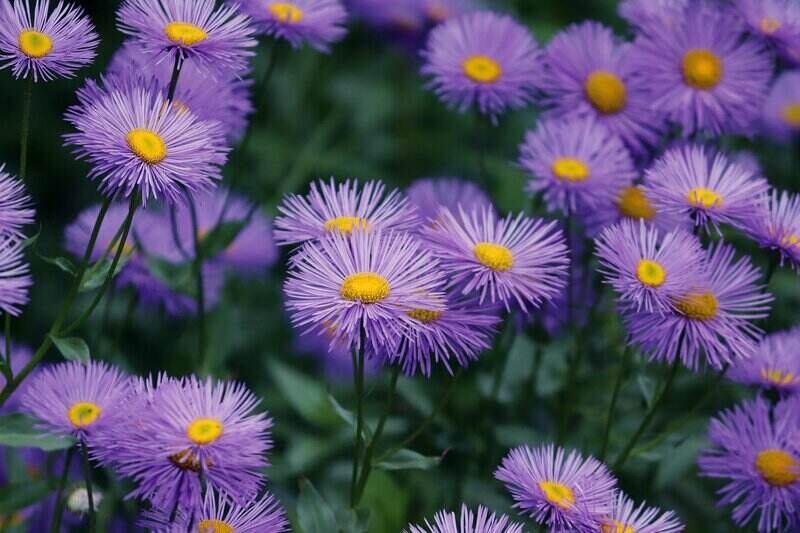
Asters burst into shades of purple, blue, or pink right as the summer heat begins to fade away. This late bloom provides essential fuel for migrating monarchs. They serve as the required host plant for crescent butterflies. Asters thrive in full sun and tolerate dry spells.
- Zone: 4–8
- Bloom: Summer–fall
- Type: Herbaceous perennial
- Sun: Full sun
- Water: Moderate
11. Zinnia (Zinnia elegans)

Zinnias are easy to grow, long-blooming, and available in every color butterflies love. Zinnias bloom until frost and are among the most productive nectar plants per square foot you can grow — a great choice for beginners.
“Zinnia is a good place to start because it is easy to grow from seed, blooms fast, and provides nectar for adult butterflies,” Mercer says.
You should carefully select the seed variety you purchase for your yard.
“Make sure to grow single forms rather than double flowers, because butterflies usually cannot access nectar from double forms,” she advises.
- Zone: 2–11
- Bloom: Summer–fall
- Type: Annual
- Sun: Full sun
- Water: Moderate
12. Butterfly bush (Buddleia davidii)

The butterfly bush is fast-growing and beginner-friendly. It produces cone-shaped flower clusters that drip with sweet nectar, drawing in fritillaries, swallowtails, skippers, and painted ladies.
“Butterfly bush attracts adult butterflies, but it does not serve as a host plant for native caterpillars. In many regions it can spread aggressively and crowd out native plants,” Mercer says.
Native alternatives are a much safer choice for the environment. “So you can use it to feed adult butterflies, but there are better native alternatives that support the full life cycle,” she says. If you do plant one, you must buy a certified sterile variety to protect your local ecosystem.
- Zone: 5–10
- Bloom: Summer–fall
- Type: Shrub
- Sun: Full sun
- Water: Drought-tolerant
Note: Butterfly bush is invasive in some states — check your state’s invasive species list before planting, and look for sterile cultivars where available.
Other butterfly garden plant options
| Plant | Bloom color | USDA zone | Season and butterfly benefit |
| Anise hyssop(Perennial) | Lavender-purple | 3–8 | Summer–fall; nectar; fragrance attracts many species |
| Bluestar (Perennial) | Blue, purple | 5–8 | Spring–fall; nectar; drought-tolerant |
| Coreopsis (Perennial) | Yellow, red, pink | 5–9 | Summer; nectar; attracts small butterflies |
| Egyptian star flower (Perennial subshrub) | Lavender, pink | 9–11 (Annual elsewhere) | All season; constant nectar; heat-tolerant |
| Floss flower (Annual) | Blue, lavender, pink | 3–11 | Summer–fall; nectar; low-growing option |
| Hollyhock (Biennial/perennial) | Pink, red, purple, white | 3–9 | Midsummer; host plant; supports all life stages |
| Marigold (Annual) | Yellow, orange, red | 2–11 | Spring–fall; nectar; easy-care starter plant |
| Phlox (Perennial) | Pink, white, coral, blue | 4–8 | Summer; nectar; attracts swallowtails |
| Sage(Perennial) | Blue, purple, pink | 8–10 | Late spring–fall; nectar; attracts skippers and swallowtails |
| Shasta daisy (Perennial) | White | 5–9 | Summer–fall; nectar; toxic to pets |
| Stonecrop (Sedum); Perennial | Pink, yellow, red | 3–9 | Summer–winter; nectar; drought-tolerant late bloomer |
| Sunflower (Annual) | Yellow | 2–11 | Summer; nectar + caterpillar food source |
| Tall verbena (Tender perennial) | Purple, lavender | 7–11 | Summer–fall; nectar; drought-tolerant |
Read more: How to Prepare a New Flower Bed
FAQs
Beyond their beauty, butterflies are vital pollinators supporting 75% of flowering plants and indicating ecosystem health. However, butterfly puddles meant to attract them can breed mosquitoes if the water becomes stagnant.
Avoid non-native invasive plants, especially black swallow-wort. Monarchs mistake it for milkweed, but it kills their caterpillars. Also, avoid other aggressive plants that crowd out the native plants butterflies need.
“It is not realistic to attract butterflies without also attracting bees, because the same nectar plants often feed both insects,” Mercer says.
“You can tilt the garden toward butterfly activity by using flowers with flat landing platforms and by adding host plants, but a garden with good nectar sources will usually attract bees too.”
Get help building your butterfly garden
Creating a butterfly-friendly garden takes practice, the right equipment, and time you may not have. If you’d rather leave it to someone who does this every day, Lawn Love makes it simple — get an instant quote, pick a time, and a local pro will handle the rest.
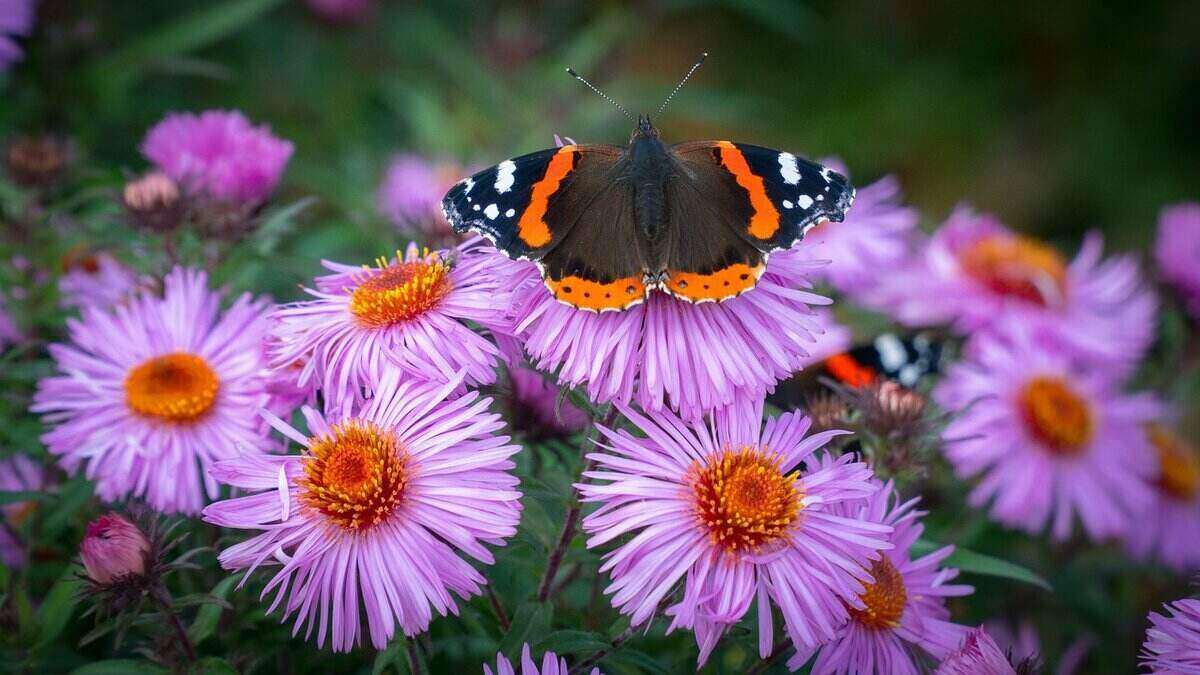
Main Image: Close-up of a butterfly perched on a vibrant flower. Image Credit: Pexels
Related Posts: