| Key takeaways: |
|---|
| ● Daylight saving time ends: Sunday, Nov. 1, 2026, at 2 a.m. local time in most of the U.S. ● Clear away trip hazards: Put away hoses and tools, clear leaves, and fix uneven steps and walkways. ● Light your nighttime routes: Focus on paths, steps, doors, gates, and the backyard areas you use after dark. |
When the clocks fall back, will you be able to see where you’re stepping? That garden hose you walked around all summer might be harder to spot when you get home from work in the dark.
Daylight saving time ends Sunday, Nov. 1, 2026. If you’re wondering how to make a yard safe after dark, start with what’s underfoot. Put away the hose, clear leaves from the steps, and fix uneven walkways.
If leaves and clutter are the main problem, Lawn Love’s local leaf removal pros can clear them before the dark sets in.
What changes when the clocks fall back
At 2 a.m. on Sunday, Nov. 1, 2026, clocks turn back to 1 a.m., according to the National Institute of Standards and Technology.
You get an extra hour that night. But if your after-work routine includes pulling weeds, playing catch with the kids, or walking around the yard with your dog, you’ll notice the earlier darkness Sunday evening.
The clock change doesn’t shorten the amount of daylight itself. It shifts an hour of daylight from evening to morning on our schedules. Fall days are already getting shorter, and it’s a good time to see how your yard looks when you can’t see much of it.
Walk your yard at dusk
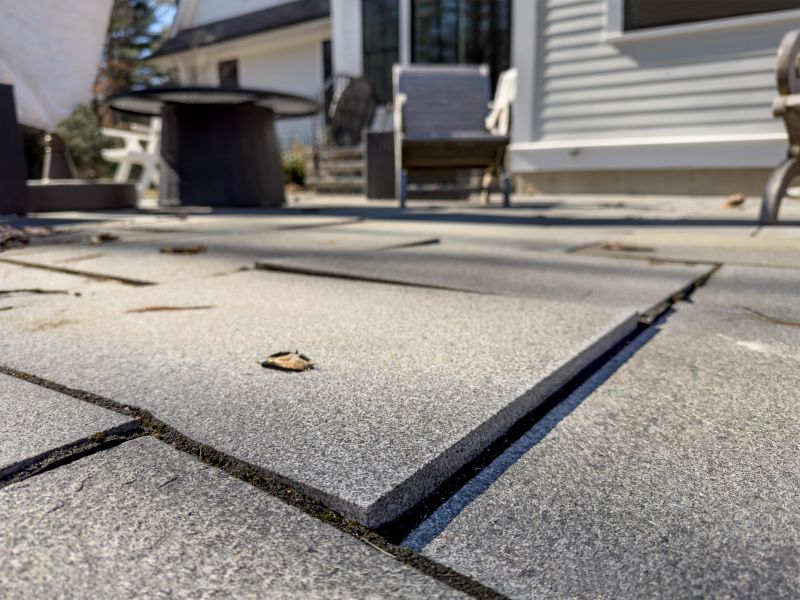
You know your yard. You know where the sidewalk turns, where the bottom step ends, and which paver sticks up just enough to catch your shoe.
But can you see those things after sunset? And would someone visiting your home know to watch for them?
Start with the path from the driveway or garage to the door, then check steps, stoops and curb edges, gate latches and side yards, and the spot where you keep the trash and recycling bins. Bring a flashlight so you can inspect anything that looks questionable.
Here’s what to look for:
- Places where you slow down
- Places where you reach for support
- Places where you have to watch your feet
Each one may need a repair, some cleanup, or better lighting.
Joseph Demkovich, brand president at Heroes Lawn Care in Omaha, Nebraska, suggests a simple way to spot uneven surfaces.
“Now to find the bad spots before you put anything in, go out at night with a flashlight and hold it low to the grass. The long shadows show you everything, every root and every brick that’s uneven. Then you stick a bright neon flag by it so you don’t forget where it is.”
Use a flashlight and place markers beside hazards, not where someone could trip over them. Shadows can help reveal uneven ground, but they won’t uncover hazards buried under leaves.
Check again when it’s fully dark and your outdoor lights are on. Walk both toward and away from the house. A light that helps you find your front door shouldn’t blind you on the way back to the car.
Common trip and slip hazards
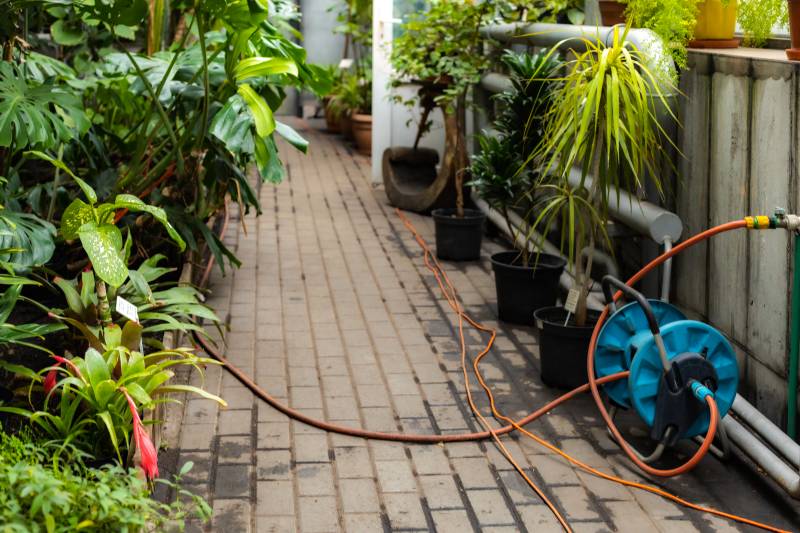
Before you light the walkway, clear the walkway. That hose across the sidewalk still needs to be put away, even if you can see it better.
Hoses, tools, and uneven ground
Coil the garden hose and move it off the path. Put away the rake, shovel, and kids’ toys. Check for extension cords stretched across places where people walk.
“I think the first thing is to walk around your yard before the days get short, right? Because there is stuff out there you totally forget about,” Demkovich says. “Like those little bumpy dirt plugs left over from aerating, or garden edging that sank down into the grass over the summer. You trip over that stuff in the dark.”
Then look down. Are pavers loose or uneven? Is landscape edging sticking up? Does a sprinkler head fail to retract where someone might step?
James Roswold, owner and personal injury attorney at Kansas City Accident Injury Attorneys in Kansas City, Missouri, advises caution here.
“Identify surfaces with cracks, potholes, or other conditions that could contribute to a fall,” Roswold says. “Clearly mark hazard areas with warning signs and high-visibility markings until the condition can be corrected.”
Those markings are just temporary warnings. If a damaged section can’t be fixed right away, keep people away from it and provide a safer route.
Read more: Best Ground Covers for Foot Traffic
Leaves on walkways and steps
Leaves deserve extra attention in fall as wet leaves can make walking surfaces slippery. A thick layer also hides uneven pavement, holes, and the edge of a step.
The National Institute on Aging recommends keeping lawn, deck, and porch areas clear of debris, including fallen branches.
Here’s what to do:
- Rake walkways, steps, and decks regularly, and see our fall yard cleanup guide for the bigger picture.
- Check them again after rain or wind, even if you just raked over the weekend.
Read more:
- What Happens If You Don’t Remove Fallen Leaves in Your Yard?
- 12 Tools to Collect Leaves for Fall Cleanup
- What to Do With Fall Leaves on Your Lawn
Overgrown plants
Trim plants spilling across the sidewalk or hiding your lights. That bush may have been nowhere near the path when you planted it. A few growing seasons can change things.
“Vegetative growth encroaching upon sidewalks or paths is a serious condition that requires maintenance,” Roswold says. “Sightlines to driveways and intersections must also be maintained for pedestrian safety.”
Read more: How to Trim Hedges
Steps
“Check for property damage that could cause issues, like a broken walkway slab or a loose board on your front steps,” Roswold says.
Give your handrails a check, too. A wobbly one needs attention in daylight as well as after dark.
Outdoor-rated nonslip strips or coatings can improve traction on suitable surfaces. Contrasting markings can make step edges easier to distinguish. Follow the product instructions, and don’t use either as a substitute for repairing a broken step.
When freezing weather arrives, check for frost and ice before heading outside. Being able to see a step doesn’t mean it isn’t slippery.
Lighting options and where to put them
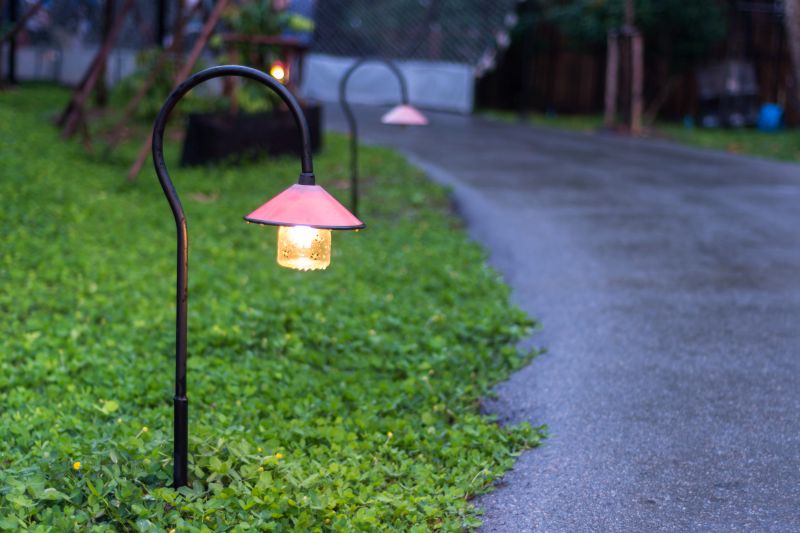
Which parts of your yard need lighting? Start with the places you use. Your front steps, the turn in the sidewalk, and the gate latch deserve attention before the tree in the middle of the lawn.
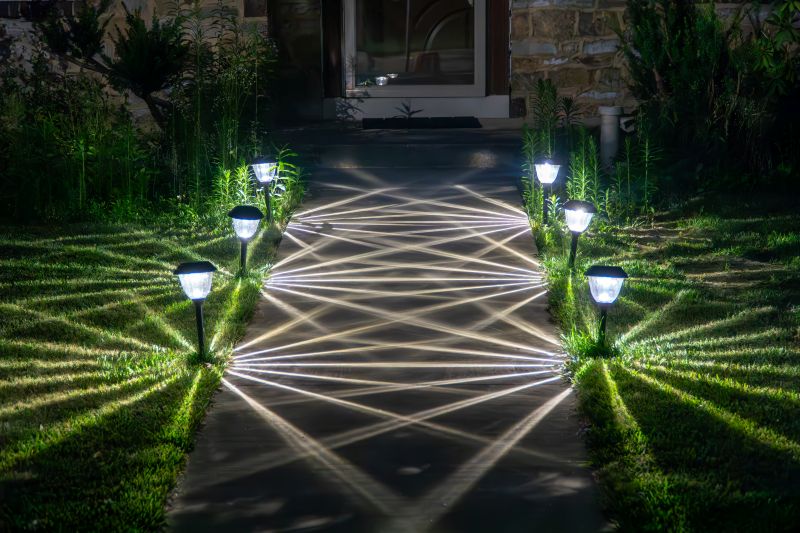
Path lights can help define walkways and turns. Step lights should make each tread visible, including the bottom one. Entry lights should illuminate the approach to the door as well as the lock.
Don’t forget the trash cans. If you take out the garbage after dinner, you need to see the whole route, not just the bins.
Choose lighting that fits your yard
Solar lights are appealing because there’s no outlet to find and no wiring to run between fixtures. But their performance depends on how much sunlight reaches the solar panels. A shaded side yard may not be the best place for them.
Here’s how the 3 main types compare:
| Type | Good for | What to consider |
| Solar | Easy installation, no wiring | Shade, cloudy weather, and shorter winter days can limit charging and nighttime performance |
| Low-voltage | Paths, steps, and landscape beds | Needs a transformer and outdoor outlet; planning the layout takes some work |
| Plug-in or hardwired | Doors, garages, and areas near the house | Must be outdoor-rated; may require an electrician |
Light the path, not the whole neighborhood
You don’t need to light every square foot of grass. You need enough light to see where you’re going.
“A common mistake is creating glare instead of useful illumination,” Roswold says. “Disability glare limits the ability of an observer to perform a visual task.”
“And when you go to fix the lighting, I mean, don’t just line your walkway lights up straight across from each other like an airport runway,” Demkovich says.
“People do that all the time. It makes terrible shadows, and it kind of blinds you,” Demkovich explains. “So you stagger them, alternating sides, and you point them down at the ground.”
Roswold says that “Adequate visibility can be provided through uniform lighting that provides full coverage and the strategic placement of lighting where it is needed the most.”
Whichever layout fits your walkway, keep the beam out of your eyes and your neighbors’ windows. Check for shadows that hide steps or changes in direction.
DarkSky International recommends lighting that serves a purpose, targets the area where it’s needed, and is no brighter than necessary.
Already have landscape lighting? Before adding more, clean the lenses, replace failed bulbs with compatible replacements, and trim plants blocking the light.
Put lights on a timer or a dusk-to-dawn sensor so they come on without you remembering, and reset any clock-based timers when the clocks change.
Don’t forget the backyard
If you’re getting something from the shed or putting away the patio chairs after dinner, the porch light may not reach far enough to help. And knowing your backyard doesn’t mean you’ll see the toy someone left in the grass or where the dog went after dark.
Solar lights mounted along the fence can add some light without running electrical wiring across the yard. Choose spots where the panels get direct sunlight, and aim the lights down into your yard, not toward your neighbors’ windows.
But can you see the path to the shed and the steps off the patio? Fence lights may not reach those places. Add path or step lights where needed, and check your solar lights later in the evening and after cloudy weather to make sure they’re still doing the job.
Keep outdoor electrical equipment safe
Before plugging anything in, check the labels.
The Consumer Product Safety Commission recommends outdoor-rated lights, extension cords rated for their intended use, and GFCI protection for outdoor plug-in lights.
“Use extension cords marked specifically for outdoor use. If an extension cord must be used in wet conditions, use a heavy-duty extension cord with components rated for use in wet locations,” Roswold says.
“Inspect all extension cords before using them for damage and missing grounding prongs, and use a Ground Fault Circuit Interrupter to protect against electrical faults,” he continues.
Extension cords are for temporary use, according to the Electrical Safety Foundation. If your lighting plan depends on running them around the yard all season, ask a qualified electrician about a permanent power source.
Security basics
Can someone approach your side door without being seen? Can you see past the shrubs near your front window?
Lighting and landscaping work together here.
“If not designed and maintained properly, landscaping may hinder visibility and cause security problems,” Roswold says.
The Jefferson County Sheriff’s Office in Colorado recommends enough exterior lighting for neighbors or passersby to see someone around your home. The light doesn’t have to be excessive.
Motion-activated lights can help at garages and side entrances. Demkovich explains why pruning also matters:
“When branches grow over the walkway, people end up stepping off it into the dark. Plus, thick leaves give someone a perfect place to hide right outside your windows. So it’s knowing where the hazards are and clearing them out before it gets dark early, long story short.”
But don’t stop with the lights. Close the garage door when it isn’t in use, lock gates and sheds, and put tools away.
A well-lit yard can support those precautions. It doesn’t make a home burglar-proof. Your local police department may offer a home security assessment or advice specific to your neighborhood.
Pets, kids, and guests
Earlier darkness can change the routine for everyone who uses your yard.
Pets: Check the gate latch and the route to your dog’s usual spot. A reflective collar or leash helps when light shines on it, while a clip-on light provides its own glow.
Kids: Make putting away bikes, scooters, and toys part of the evening routine. Check that steps and walkway edges are visible where kids come and go after school.
Guests: Walk toward your house as if you’ve never visited before. Can you read the house number? Find the front door? See the steps?
If you’re hosting a holiday gathering, move packages, planters, and decorations out of the walking route before everyone arrives.
FAQs
Costs depend on the fixtures, layout, power source, and installation work. Our landscape lighting cost guide can help you pick the best option for you.
If you’re only going out to the garage or through the side gate now and then, you don’t need the lights on all night. Motion-activated lights can do the job. Just check that they come on before you reach the steps or anything else you could trip over.
For a walkway you want lit all night, dusk-to-dawn lights are a better choice. Some fixtures have both motion and daylight sensors. Those wait until after dark to turn on when someone walks by.
Some of this is easy enough to do yourself. If your solar light or plug-in fixture doesn’t need new household wiring, just follow the manufacturer’s instructions.
Need a new outdoor outlet or changes to household-voltage wiring? Call a qualified electrician.
Don’t wait for the first trip
Getting your yard ready for early darkness takes some preparation, the right equipment, and time you may not have.
Let Lawn Love’s local leaf removal pros start with clearing the leaves while you line up any repairs or electrical work.
Main Image: Pink alarm clock resting on a bed of fallen autumn leaves. Photo Credit: Berit Kessler / Adobe Stock
Related Posts: