| Key takeaways |
|---|
| ● Cut back plants prone to fungal disease or overwintering pests: garden phlox, bee balm, bearded iris, hosta, and peony. ● Leave coneflower, black-eyed Susan, ornamental grasses, and sedum standing for winter bird food and garden structure. ● Evergreen perennials like heucheras and hardy geraniums keep foliage that protects their crowns, so don't cut them back in fall. |

When figuring out which plants to cut back in fall, start with perennials that are prone to disease, pests, or overwintering eggs. Garden phlox, bee balm, bearded iris, hosta, and peony are the classic list.
Most other perennials don’t need a fall trim, and some are actively harmed by one, so the true fall cutback list is shorter than most gardeners assume.
Want your beds cleaned up before the ones that do need it, without spending your weekend on it? Lawn Love connects you with local lawn and garden pros who can handle fall cutback, cleanup, and mulching in one visit.
Cut back or leave standing: quick reference
| Plant | Fall action | Why |
| Garden phlox, bee balm | Cut back | Prevent powdery mildew spread |
| Asters (if visibly mildewed) | Cut back | Mildew-resistant varieties can often be left standing |
| Bearded iris | Cut back after first hard frost | Remove overwintering borer eggs |
| Hosta | Cut back after hard frost | Remove slug egg habitat |
| Peony | Cut back | Prevent fungal leaf spot carryover |
| Daylily | Cut back if foliage has collapsed or winters are wet | Matted and wet foliage creates fungal problems |
| Yarrow, lungwort | Optional cut back | Reduces spring cleanup only |
| Shasta daisy | Cut back | Foliage collapses and offers no winter insulation |
| Coneflower, black-eyed Susan | Leave standing | Winter bird food |
| Ornamental grasses, sedum | Leave standing | Winter structure and interest |
| Heuchera, hardy geranium | Leave standing | Foliage protects the crown |
| Hellebore | Cut back | Prevent leaf spot carryover |
| Garden mums, red-hot poker, Montauk daisy | Leave standing | Cutting back risks winterkill |
Perennials to cut back after frost
“There is not necessarily a specific temperature window that signals when to cut plants back,” says Jessica Mercer, PhD, a horticulturist at Plant Addicts in Valley, Nebraska.
“For plants such as peonies, garden phlox, and bee balm, wait until the foliage is clearly senescing or frost damaged, and clean it up on a dry day,” Mercer says. “By that point, the plant has had time to move resources from its leaves back into the crown and roots.”
She adds a caveat for severe issues.
“If the plant has an active disease problem, you don’t have to wait,” Mercer says. “You can remove heavily infected leaves and stems as they decline to reduce the amount of infected debris left around the plant.”
Garden phlox, bee balm, and asters
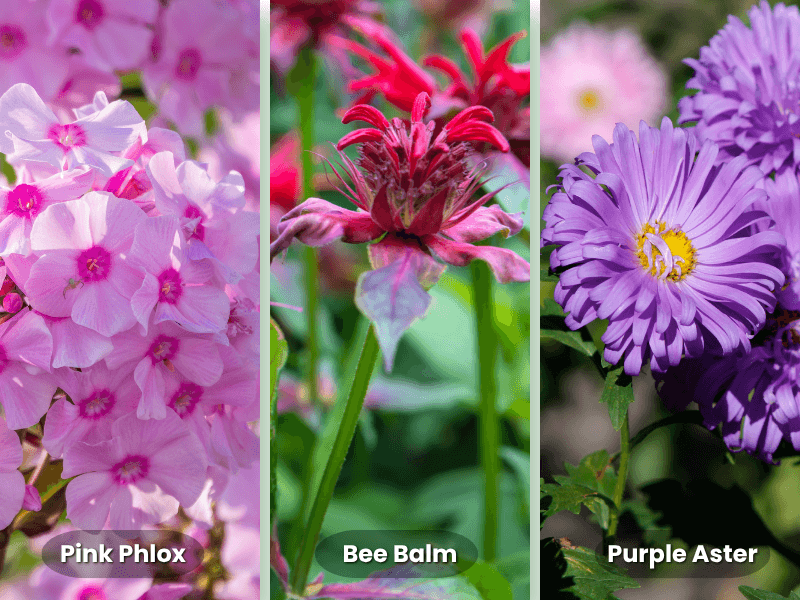
These are a few of the most common victims of powdery mildew, a fungus that coats leaves in a white, dusty film, especially in a damp fall.
Cutting them back and removing the debris, rather than composting it, keeps mildew spores from overwintering in the garden and reinfecting next year’s growth, since the fungus survives on old stems and fallen leaves through winter, according to University of Minnesota Extension.
Many asters are also susceptible to the same fungus, so cut back any aster showing visible mildew. Some newer mildew-resistant aster cultivars can be left standing for winter interest if their foliage looks clean, so check for symptoms plant by plant rather than treating all asters the same.
Bearded iris
Iris borer moths lay their eggs on iris foliage and debris from late summer through fall, so cutting back and discarding the leaves anytime after they’ve browned removes the eggs before they overwinter, according to the University of Maryland Extension.
If you cut right after the first hard frost, you can catch the eggs before they settle in for winter. Cut the leaves into a fan shape a few inches above the crown and discard the foliage.
Hosta
Cutting collapsed, yellowing hosta foliage after a hard frost removes hiding places for slugs and clears away foliage that can harbor disease. Cut stems and petioles down near the crown and clear the debris from the bed rather than letting it break down in place.
For extra prevention against spring slugs, tidy the surrounding area.
“Clean out layers of decaying plant debris, and remove weeds, boards, overturned pots, and other hiding places around the hostas,” Mercer suggests. “Avoid applying a thick layer of mulch directly against the crown.”
Peony
Peony foliage is prone to powdery mildew, leaf blotch, and Botrytis blight late in the season, notes Iowa State University Extension. Cut stems to the ground after frost and throw out any diseased material instead of composting it.
To keep diseases from spreading during this process, Mercer recommends sanitizing your tools.
“First, remove any pieces of leaves, soil, or sap from the blades,” Mercer instructs. “Then thoroughly wipe the cutting surfaces with 70 percent isopropyl alcohol and allow them to air dry before moving to the next plant.”
Daylily, yarrow, and lungwort
“Remove dead daylily foliage if you live in a climate that stays wet through winter,” Mercer says. “In these conditions, a thick mat of collapsed leaves can trap moisture and reduce air circulation around the crown, which may contribute to fungal problems.”
“In a well-drained site with average winter moisture, cutting the foliage back is optional,” Mercer adds.
Shasta daisy
Unlike the plants above, Shasta daisy doesn’t depend on your climate. You should cut it back to a couple of inches because its foliage doesn’t hold up through winter and provides little insulation.
Read more: How and Why to Deadhead Flowers
Perennials to leave standing
Coneflower and black-eyed Susan
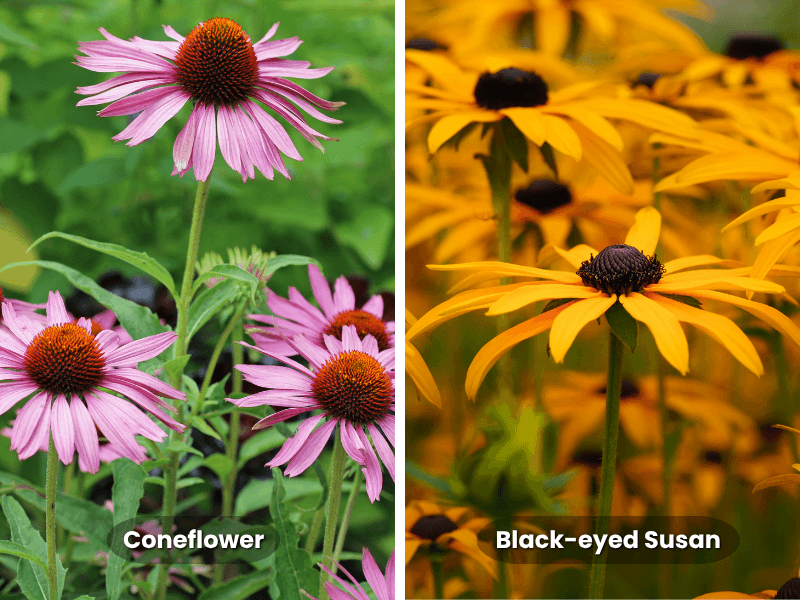
These leave seed heads standing through winter that feed birds and add visual interest to an otherwise bare garden. It’s worth leaving them up until spring.
“Wait for basal growth to appear on coneflowers and fresh green shoots on the grasses before cutting them back,” Mercer says. “There is no specific time, but in colder climates, it often falls in March or April. That timing allows the birds to feed on the seed heads throughout most of the winter.”
Read more: How to Attract Bees to Your Garden
Ornamental grasses and sedum
Ornamental grasses and sedum offer the same benefit as coneflower and black-eyed Susan: standing seed heads and structure that feed birds and add winter interest. Cutting them back in fall removes that benefit for no real gain.
“Don’t wait too long to cut back the ornamental grasses or you may accidentally cut the new foliage too,” Mercer cautions.
Sedum is usually fine to leave too, but only if stems stay dry and upright. In wet climates or heavy soil, cut back only collapsed or blackened sedum stems to prevent crown rot.
Read more: How to Divide Ornamental Grasses
Evergreen perennials
Heuchera (coral bells) and hardy geraniums, and similar evergreen perennials keep foliage through winter that protects their crowns from cold. Cutting them back removes that protection instead of helping the plant.
If a bed of bee balm or coneflower is disease-free, you should leave a portion of hollow stems standing at varying heights instead of cutting flush to the ground. These stems can shelter overwintering native solitary bees, and fresh spring growth will hide them within a few weeks.
Hellebores
Hellebores are the exception in this group as cutting off old hellebore foliage in late autumn or late winter (timing depends on variety) can prevent hellebore leaf spot disease from carrying over into next year’s flowers.
If heuchera or geranium leaves look messy before winter hits, resist the urge to level the plant. “Selectively remove leaves that are completely dead, mushy, diseased, or badly damaged,” Mercer says.
“Leave as much healthy, firm foliage as possible because it helps protect the crown during winter. Finish the cleanup in spring,” she adds.
Garden mums, red-hot poker, and Montauk daisy
These fall into the same category as the evergreen perennials above: their foliage shields the crown, and a hard fall cutback can stimulate late new growth that winter kills.
“After a hard frost, the dead stems and foliage of mums help insulate the shallow crown and root system,” Mercer explains. “Cutting mums to the ground can leave the plant more exposed to freeze-thaw cycles and winter injury.”
“Montauk daisies behave more like a small woody shrub, so leaving the established upright stems helps the plant develop a stronger framework,” Mercer says. “Cutting the stems down in fall can produce weaker growth that is more prone to flopping.”
Read more: 5 Late-Season Perennials for a Fall Garden
The rule that overrides this list
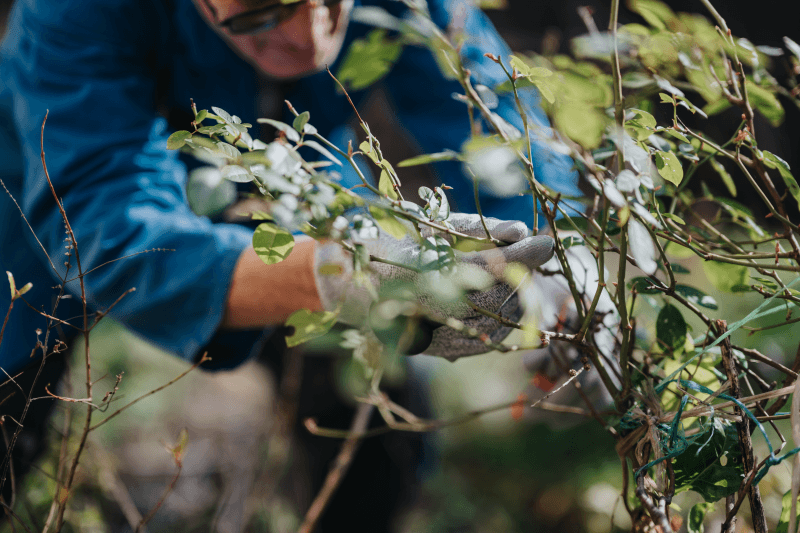
Any plant with active disease should be cut back and discarded, regardless of which list it’s on. The goal of fall cutback is to remove the specific things (fungal spores, insect eggs, slug habitat) that would otherwise carry a problem into next year’s growing season.
If you aren’t sure what you are looking at, observe the timing and symptoms.
“Once cold weather arrives, normal foliage will gradually yellow, brown, or collapse across much of the plant,” Mercer says.
“Fungal disease, on the other hand, tends to produce a pattern, like white powdery growth, brown or black spots, lesions with darker margins, blotches, or leaves that yellow and drop before the rest of the plant,” Mercer says.
“Normal fall dieback usually occurs late in the season after frost, whereas fungal diseases often appear earlier,” Mercer adds.
FAQs
Leave a stub, so you don’t cut flush to the ground. Penn State Extension recommends this specifically so you can see where the plant is located and avoid accidentally digging into it before it emerges in spring.
“Bagging badly diseased material for municipal trash is usually the simplest option,” Mercer says. “Municipal yard-waste programs may also accept the material if they use commercial composting systems.”
“Avoid putting heavily diseased material into a home compost pile because backyard piles usually don’t reach high enough temperatures throughout to kill pathogens,” Mercer explains.
“Open-burning laws vary considerably across regions and may be restricted for fire safety and air-quality reasons,” Mercer continues. “Dumping diseased plant material in the woods can introduce plant diseases, pests, or invasive plants into a natural area.”
It’s not urgent. Plants on the cut-back list can still be trimmed in late fall or even early winter; the main goal is getting to it before spring growth starts. The exception is bearded iris, where waiting until after the first hard frost is actually the right timing.
It depends on the plant. For disease- and pest-prone perennials, fall is better because it removes the problem before it overwinters. For everything else, spring cutback is just as effective and leaves the plant’s winter benefits, such as bird food, structure, and crown protection, intact through the cold months.
Fall care at your fingertips
Getting your garden ready for winter doesn’t mean leveling every plant in sight. Even if you know what to cut back and what to leave standing will set you up for success in the next spring, actually executing the work can be exhausting.
If you’d rather spend your autumn weekends relaxing instead of hauling yard waste, Lawn Love’s local gardening pros can manage your fall cutback, mulching, and debris removal so your garden is perfectly prepped for winter.
Main Image: A gardener trims dry and dormant stems as part of fall garden cleanup. Photo Credit: maryviolet / Adobe Stock
Related Posts:


