| Key Takeaways |
|---|
| ● Let the soil dry: Walking, mowing, or aerating on wet soil can compact it and slow drainage. ● Drain lingering standing water: Help water drain if it lasts longer than 24 hours, since some submerged grasses can die in as little as a day when the water is hot. ● Hold off on fertilizer: If your lawn is due for fertilizer, wait until the grass and soil are dry. |
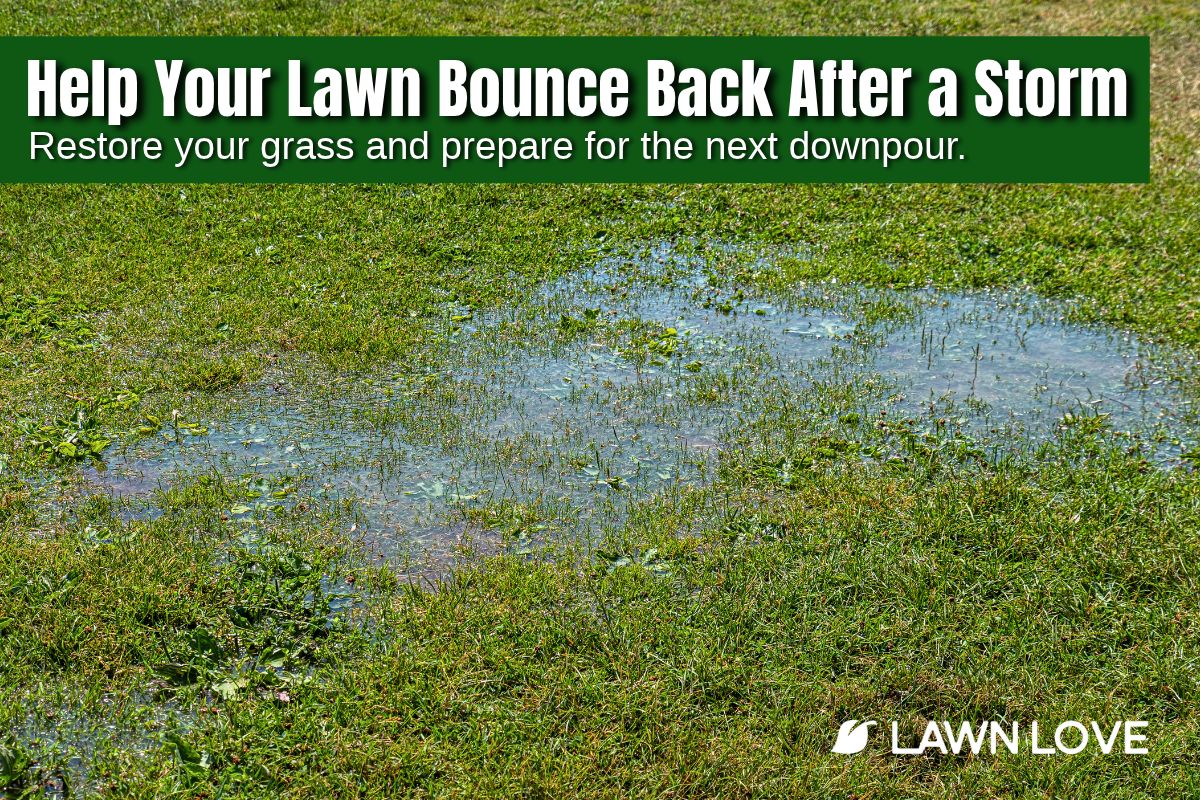
What to do with your lawn after heavy rain comes down to timing: let the soil dry first, then remove standing water and debris, and hold off on mowing and fertilizer until conditions improve.
If your lawn needs more help than you have time for, a local lawn care pro can handle the recovery for you.
1. Give the lawn time to dry
After a heavy rain, the best thing you can do for your lawn is wait. Saturated soil compacts easily, and compacted soil drains even more slowly. Until the soil dries, limit foot traffic in wet areas and hold off on aerating.
Mowing is the biggest risk.
“The biggest thing I would advise against after heavy rain is mowing,” says Taylor McDaniel, horticulture agent with N.C. Cooperative Extension, Brunswick County Center.
“Mowing too soon after a rainstorm (or too low) can cause physical damage to the turf, especially in areas where the mower makes a turn. This can cause the turf to be pulled out of the ground and damage the root systems.”
2. Remove standing water
Don’t let standing water on your lawn linger.
“If there is standing water for longer than 24 hours, then that is a sign that there is a drainage issue that needs to be addressed,” McDaniel says.
When water won’t drain, the University of Vermont Extension suggests digging furrows, shallow trenches that redirect water. Work from the edge of the wet area to minimize compaction, and direct the water away from your house and toward lower ground or a drain.
How long grass survives underwater depends on water temperature and grass type:
| Water temperature | Approximate survival time |
| 50°F or below | Up to 60 days for some grasses |
| Normal summer temperatures | 4 to 6 days for most grasses, but losses can start after about 4 days |
| 86°F or above | As little as 24 hours for some grasses |
Ryegrass and red fescue do not handle being underwater, while Bermudagrass and Zoysiagrass handle it well, according to the University of Missouri Extension.
3. Clear debris
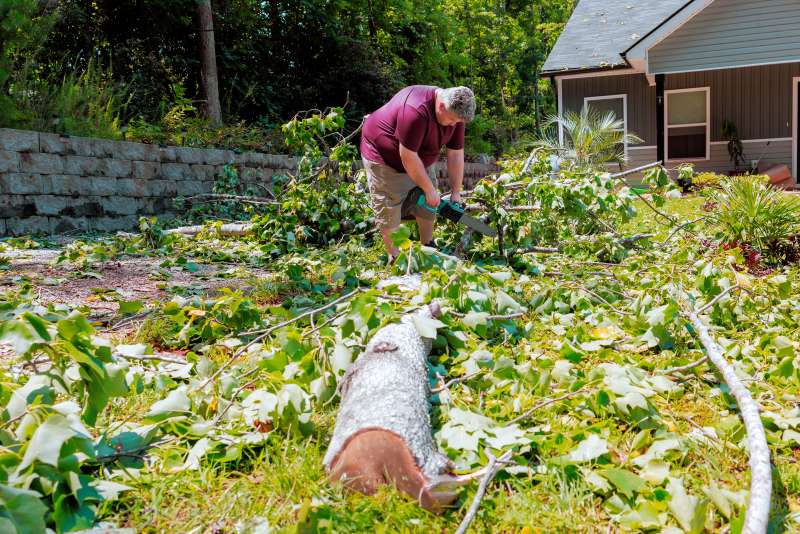
Once the lawn is dry enough to walk on, remove broken branches, leaves, and other debris. Left in place, leaves and similar material can smother the grass beneath them. Debris can also damage your mower and create a safety hazard while you mow.
Storms and floodwater can also leave behind glass, nails, stones, and other metal objects. Wear gloves and sturdy shoes, and walk the lawn before your first mow to remove any hazards.
4. Remove silt
Heavy rain can leave a layer of silt on your yard. If it’s 1 inch thick or less, the University of Missouri Extension recommends the following steps:
- If water use isn’t restricted in your area, wash away as much silt as possible with a garden hose.
- Throughout the growing season, break up crusted silt with a steel-tooth garden rake to encourage root development.
- Rake gently, since pushing too deep can pull up grass.
A thicker silt layer can smother the lawn, and floodwater deposits may contain petroleum products or pesticides. For heavy silt and other flood damage, see our guide to flooded lawn recovery.
5. Delay mowing, irrigation, and fertilizer
Wait until the soil dries before you mow. Mowing wet grass on waterlogged soil can compact soil and leave muddy tracks.
The grass will likely be taller than usual, so set your mower to its highest setting and make sure the blades are sharp. Avoid removing more than one-third of the grass height at once. If the grass is very tall, mow over several days and lower the deck gradually.
Water only when the lawn needs it. Turn off automatic sprinklers. Resume watering when the grass shows signs of thirst, such as blades folding in half, a grayish-blue tint, or soil that feels dry to the touch.
Fertilize with caution. Some guides recommend fertilizing after heavy rain to replace washed-out nutrients, but this isn’t always necessary.
“Lawns typically grow quickly after a rain event, making the need for fertilizer less likely,” McDaniel says.
If your lawn is due for fertilizer, wait until the grass and soil have dried.
“Under no circumstance should you fertilize if there is still standing water, the soil is still overly moist, or the ground still feels ‘squishy’ when walking on it,” McDaniel says.
6. Watch for disease and weeds
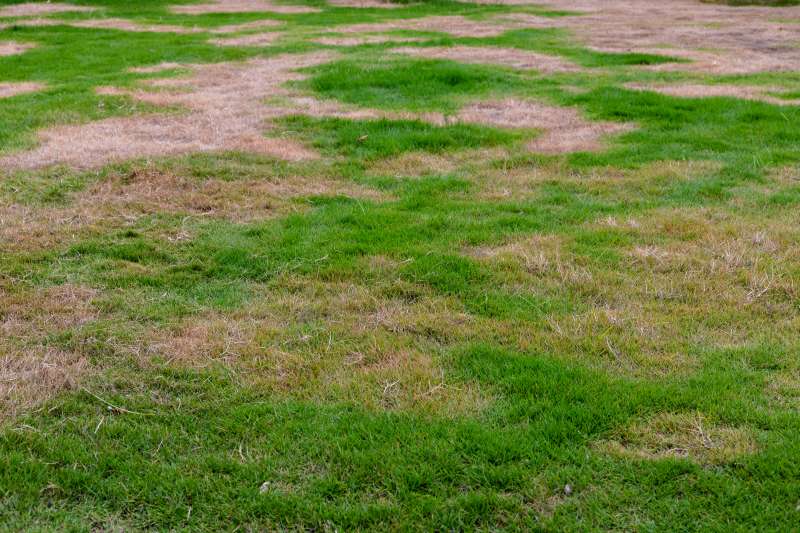
Prolonged moisture is ideal for fungal disease and weed growth. Watch for these common lawn diseases after heavy rain:
| Disease | What it looks like | What to do |
| Brown patch | Circular brown areas, sometimes with a darker “smoke ring” edge in the morning | Avoid excess nitrogen and overwatering, and remove clippings from affected areas |
| Dollar spot | Small, straw-colored spots about the size of a silver dollar | Remove clippings and thatch from affected areas, and maintain proper fertilization |
| Red thread | Pinkish-red threads on grass blades, giving patches a reddish cast | Fertilize adequately |
| Pythium blight | Greasy, matted patches that may smell fishy, with white, cottony growth at the edges when dew is present | Avoid excess nitrogen and overwatering, and remove thatch |
Improve airflow and drainage, and skip watering until the lawn dries. If disease spreads, your local cooperative extension office can recommend treatment for your grass type and region.
Moss and algae can also grow in waterlogged, compacted spots. To keep them from returning, aerate and improve drainage.
For weeds, pull them by hand or spot-treat once the lawn is dry. Heavy rain and higher temperatures can break down pre-emergent herbicides faster, according to Ohio State University, so watch for crabgrass breaking through.
7. Repair bare and thin spots
Before reseeding, check whether the grass is dead or recovering. Once the lawn dries, look for new shoots at the base of the plants, near the soil surface. Once regrowth starts, the lawn may take several weeks to fill in.
If you still see bare or thin spots after a few weeks, reseed them. Just be sure to plant at the right time for your grass type.
If you grow warm-season grass, plant new grass seed in late spring or early summer.
If you grow cool-season grass, plant new grass seed in early to mid-spring or early fall.
8. Fix soil compaction
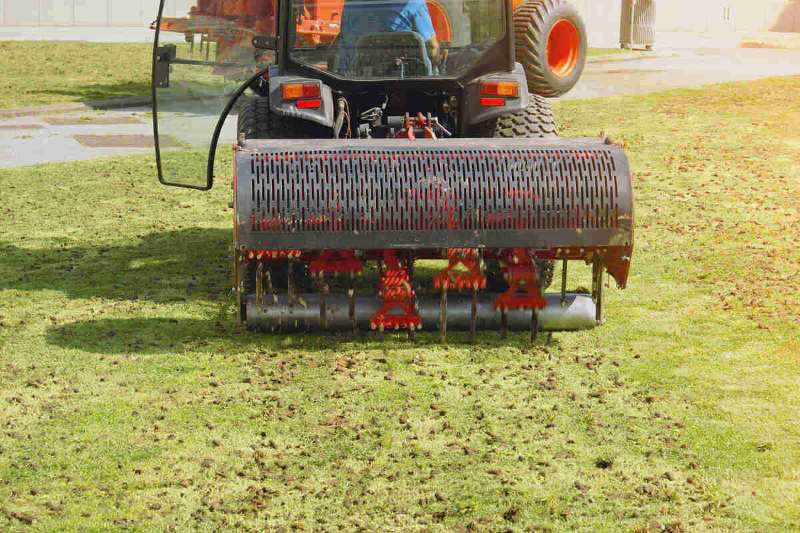
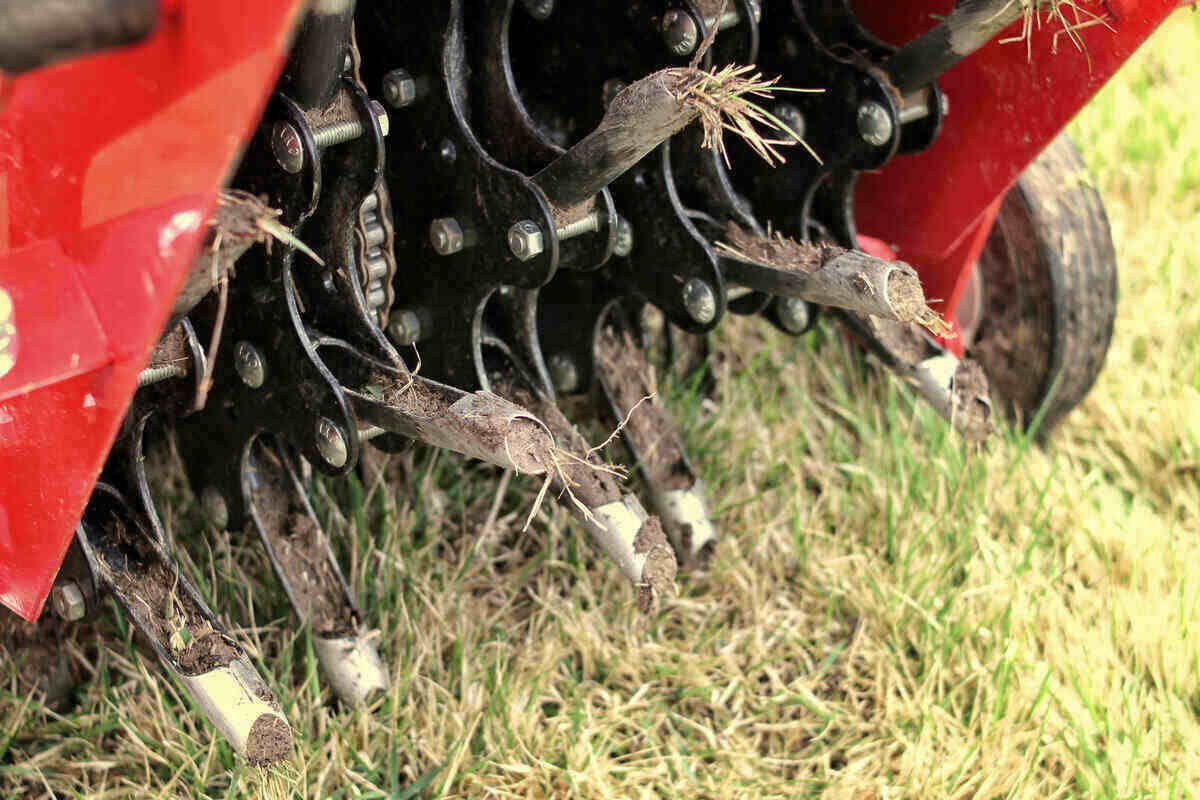
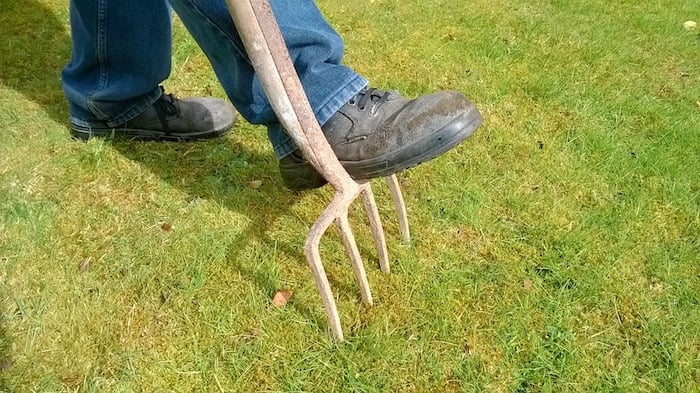
After flooding, your lawn may take several weeks to dry underfoot, according to the University of Minnesota Extension. Once it’s dry, core aerate to relieve compaction and improve drainage.
Aerate only during the lawn’s active growing season: late spring or early summer for warm-season grass, and early to mid-spring or early fall for cool-season grass. Repeat every 1 to 3 years, depending on your soil.
Pro Tip: Aerate before seeding to improve seed-to-soil contact and germination.
9. Prepare for the next storm
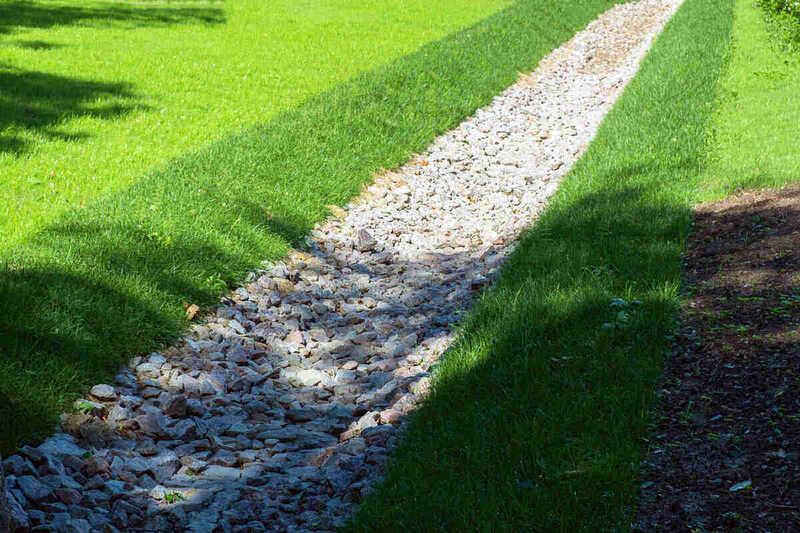
You can’t control how much rain falls, but you can help your lawn handle the next storm by supporting its health and addressing drainage issues.
Keep gutters and downspouts clear. Clogged gutters overflow and dump water in one spot. Point downspouts away from your house and toward an area that drains well.
Aerate compacted soil. Compacted soil absorbs water slowly, which leads to puddles and runoff.
Keep thatch in check. McDaniel recommends keeping your thatch, the layer of dead and living organic matter above the soil, no more than 1/2 inch thick. If it’s thicker, dethatching with a power rake can improve drainage.
Add organic matter. “Organic matter can help provide additional drainage and soil stability,” McDaniel says.
Keep turf healthy. Dense turf reduces runoff by slowing water and giving it more time to soak in.
Fix spots that puddle repeatedly. If the same areas collect water after every storm, uneven grading may be the problem. Fill in low spots with soil to create a gentle slope that directs water away.
For spots that stay wet, add a French drain or surface drain. Call 811 before you dig.
Plants can also help where water lingers longer.
“Incorporating ‘water-loving’ plants in your landscape can also help absorb the water quickly,” McDaniel says. “If water puddles in your yard for longer than 48 hours, a rain garden could be a good option to repurpose the water.”
FAQs
There’s no set number of days. How long until your lawn dries depends on how much rain fell and how well your soil drains. Avoid walking on the lawn until the ground feels firm and no longer leaves footprints.
Saturated soil pushes out oxygen, which roots need to function properly. Unable to breathe, roots struggle to absorb nutrients, which can lead to yellowing.
Moist soil can trigger mushrooms to sprout in your lawn, sometimes in a circle called a fairy ring. Improving drainage and airflow can help prevent mushrooms over time.
Need help getting your lawn back on track?
After a heavy rain, you likely have more pressing repairs to handle, such as clogged gutters, a leaky roof, or a wet basement.
If water won’t drain, large patches of turf are dying, or fungal disease is spreading, a local lawn care professional can diagnose the problem and help your lawn recover. Getting an expert opinion early can help keep a small problem from becoming a full lawn renovation.
Main Image: Puddle of standing water on a green lawn after heavy rain. Photo Credit: mustafaoncul / Adobe Stock
Related Posts: