| Key Takeaways |
|---|
| ● Clear objects off the grass: Furniture, toys, and debris left in one spot all winter can smother the turf. ● Treat weeds before snow: Fall is the last chance to control weeds before they compete with your lawn in spring. ● Don’t remove everything: A light layer of shredded leaves can stay on the lawn, and mulch should stay in beds. |

It’s not always obvious what to remove from your lawn before winter. Thick layers of leaves are a no-brainer, but furniture left in one spot can smother the grass, and a firewood pile can shelter mice and other critters.
Before winter sets in, clear anything that could smother your grass, trap moisture, attract pests, or suffer damage in freezing temperatures. If you’d rather skip the cleanup, Lawn Love connects you with local lawn care pros who can handle leaf removal, yard cleanup, and irrigation winterization for you.
For the rest of your cold-weather prep, see How to Winterize Your Lawn.
Checklist: What to remove before winter
| Item | What to Do | Why |
|---|---|---|
| Yard furniture, toys and outdoor decor |
| Moisture, cold, and ice can:
|
| Garden hoses and irrigation |
|
|
| Fallen branches and storm debris |
|
|
| Firewood piles |
|
|
| Fallen fruit and nuts |
|
|
| Leaves and organic debris |
|
|
| Dead annuals and spent vegetable plants |
|
|
| Weeds |
|
|
| Pet waste |
|
|
| Tall grass |
|
|
Yard furniture, toys, and outdoor decor
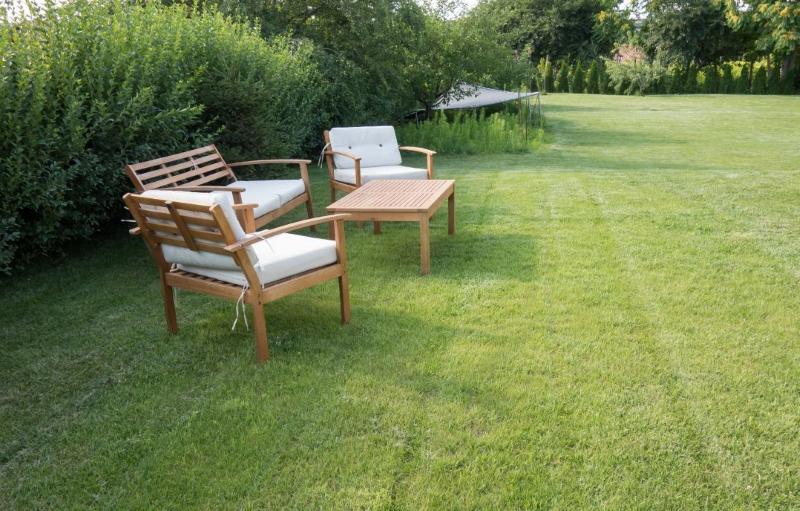
Geoffrey Rinehart, lecturer and turfgrass management advisor at the Institute of Applied Agriculture, recommends removing anything before winter that you regularly move to mow. That includes yard furniture, kids’ toys, lawn games, and outdoor decor, which can smother the grass when left in one place all winter.
Bringing these items inside or covering them also protects cushions, metal frames, and plastic from moisture, cold, snow, and ice.
Store delicate items, such as ceramic pots, glass ornaments, and cushions, in a cool, dry place. Keep fabrics in sealed bags or bins to protect them from pests and dust.
If heavy furniture can’t come inside, cover it with heavy-duty vinyl or move it under a shelter.
Garden hoses and irrigation attachments
Water left inside hoses and sprinkler attachments can freeze and expand, cracking hoses and fittings. Store hoses and winterize irrigation before the first freeze of the season.
- Disconnect and completely drain hoses.
- Coil and store them flat or on a reel somewhere they won’t freeze. Avoid hanging a hose on a single nail, which can kink it.
- Remove and store detachable sprinkler heads and attachments.
- Winterize in-ground irrigation by shutting off the water and draining the lines. In colder climates, the system may also need to be professionally blown out with compressed air.
Fallen branches and storm debris

Clear your lawn of any branches or debris. Large branches can smother the grass beneath them if left to sit for too long, and they can become a greater tripping hazard once snow covers them.
Pro Tip: Weak or overextended limbs can snap under the weight of snow and debris in winter. Trim these vulnerable branches before they fall and damage your lawn, driveway, or home.
Firewood piles
Move firewood to a dry shed before winter, if possible. Snow and moisture can dampen the wood and make it harder to burn, while woodpiles provide shelter for mice, other rodents, and termites that may eventually move indoors.
Pro Tip: Keep firewood off the lawn year-round to prevent smothering the turf. If you store it outside, elevate it a few inches for airflow and keep the pile about 30 feet from your home, the distance Cornell Cooperative Extension advises for keeping rodents and bugs out.
Fallen fruit and nuts
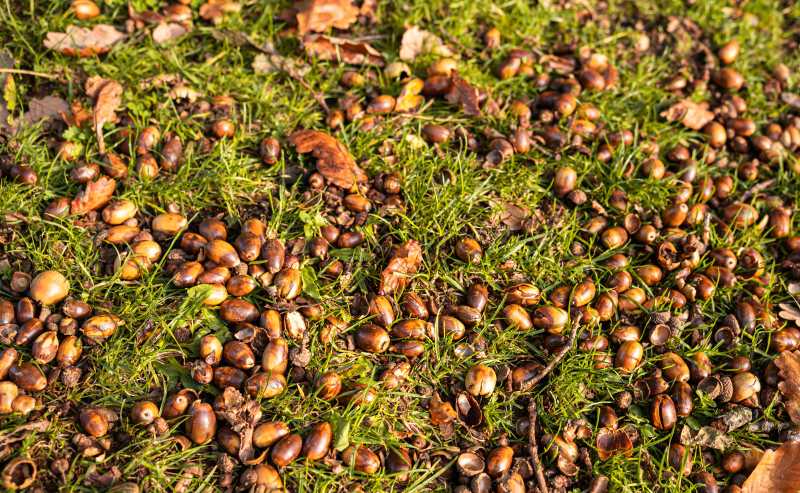
Pick up dropped fruit, nuts, and acorns regularly through fall. Thick accumulations can block airflow and sunlight, trap moisture, and create dead patches in the lawn. Those bare spots give weeds room to move in.
Fallen fruit and nuts also attract mice, squirrels, raccoons, and other wildlife, potentially drawing pests closer to your home.
Read more:
- How to Protect Your Yard from Deer and Wildlife Damage This Winter
- How to Stop Squirrels from Digging in Your Yard
- How to Keep Raccoons Out of Your Yard
Leaves and organic debris
A thick layer of whole leaves blocks sunlight and airflow, which can suffocate the grass underneath by spring. And when the leaves become wet and matted, this invites pests and fungal diseases.
Shredding them usually solves the problem.
“I’ve been talking to homeowners for years about mulch mowing leaves into the lawn to return nutrients to the soil,” Rinehart says. “But if you don’t chop them up with the mower and just leave a several-inch pile on the lawn, that can smother the grass.”
Run a mulching mower over the leaves a couple of times. Shredded leaves also make free mulch for garden beds or a nutrient boost for your compost pile.
If the layer is too thick for the mower to shred, rake it up or hire a leaf removal service.
Read more:
Dead annuals and spent vegetable plants
Once the first frost hits, pull out any annual flowers and spent vegetable plants. Left in place, dead plant material can harbor pests and diseases that carry over into next year’s growth.
Pro Tip: Compost healthy plant debris. Trash anything showing signs of disease, since most home compost piles don’t get hot enough to kill off the pathogens.
Not everything has to go. Healthy perennials with seed heads, such as coneflowers, black-eyed Susans, and ornamental grasses, can stay standing to feed birds through winter.
Weeds
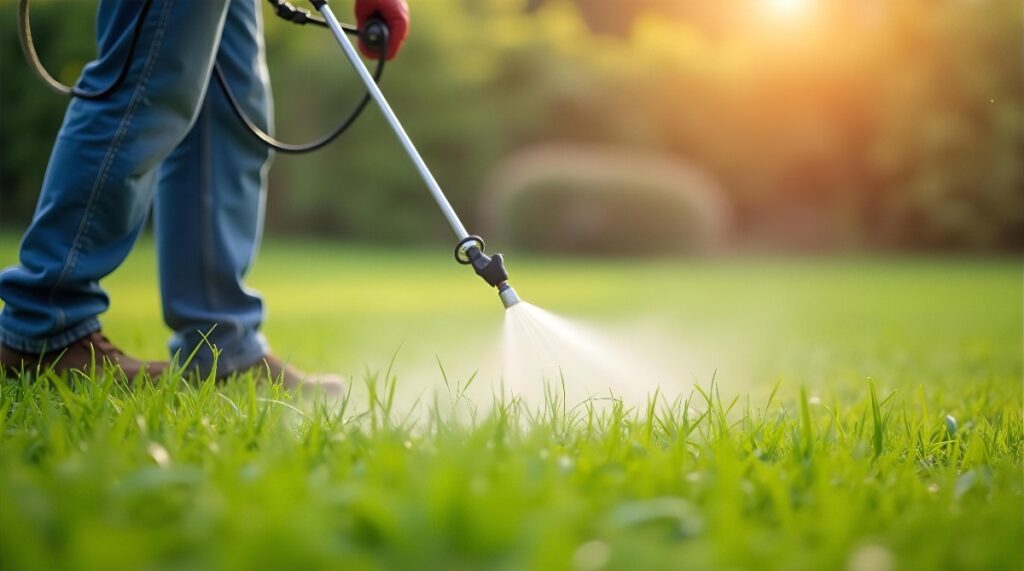
Fall is the best time to remove weeds before snow covers the lawn and cold temperatures make herbicides less effective.
As perennial weeds prepare for winter, they move nutrients down into their stems and roots — and systemic herbicides can travel with them.
“This downward translocation activity results in more of your applied chemical being moved to those plant parts as well, thus increasing the effectiveness of the chemical control,” explains Michael Goatley, Jr., professor and turfgrass extension specialist at Virginia Tech.
In plain terms, the weed carries the herbicide down to its own roots.
Winter annuals are also easier to control in fall. University of Tennessee Extension notes that young, actively growing plants respond better to treatment than mature plants that have started flowering in spring. Fall treatment also stops them from setting seed for next year.
Pet waste
Pick up dog poop before the first snowfall, then keep up with it throughout winter. Waste is much easier to find and remove before snow buries it.
Buried waste doesn’t disappear. It remains on the lawn until the snow melts, and the Idaho Water Resources Research Institute warns that snowmelt can carry bacteria and nutrients from pet waste into local waterways.
Dog urine can also damage your lawn during winter. Its concentrated nitrogen can leave dead patches or, in smaller doses, patches of unusually dark green grass. Purdue University Extension notes that dog urine can be especially damaging when grass isn’t actively growing.
Rinsing urine spots with a hose can help in fall, but it isn’t realistic once the yard is covered in snow and ice. Instead, train your dog to use a designated winter potty spot away from the lawn, such as a patch of mulch or gravel.
After each snowfall, shovel a path to the spot so your dog keeps using it.
Read more: How to Prevent Dog Pee Damage on Your Grass
Tall grass
Tall grass mats down under snow, which favors snow mold and gives voles cover.
Keep mowing until the grass stops growing. Lower the height gradually over the last few mows so you never remove more than one-third of the blade at once.
K-State Extension says seasonal adjustments should stay within the recommended range for your grass type. For example, Kentucky bluegrass has a range of 2 to 3 inches, so finish the season near 2 inches.
FAQs
No. A fresh layer of mulch (about 1 to 4 inches thick, depending on the plant) around trees, shrubs, and perennial beds helps insulate roots. Mulch keeps the soil temperature steady. That protects plants from winter warm spells, which can trigger early growth before the next freeze.
If your area gets lasting snow cover, it can help. The Pacific Northwest Plant Disease Management Handbook recommends removing the clippings before snowfall to help prevent gray snow mold, a fungal disease that attacks dormant grass under snow.
Not necessarily. If the weed’s leaves are still actively growing, the plant may still be moving nutrients to its roots, allowing an applied systemic herbicide to travel there as well.
However, temperature matters. Purdue University Extension recommends applying broadleaf herbicides when the air temperature is between 50 and 85 degrees Fahrenheit. Cooler temperatures can slow plant activity and reduce herbicide effectiveness. Always follow the product label for application temperatures and instructions.
Get your yard ready for winter
Clearing furniture, leaves, and debris off your lawn before winter is the difference between enjoying an easy spring green-up and repairing winter damage.
If you’d rather not spend your last warm weekends clearing the yard, Lawn Love can match you with a local pro for yard cleanup and leaf removal.
Main Image: A person rakes fallen autumn leaves into a garden bag as part of seasonal yard cleanup. Photo Credit: Sebastian / Adobe Stock
Related Posts: