| Key Takeaways |
|---|
| • Runoff is dirty water: Stormwater picks up fertilizer, pesticides, oil, and pet waste before carrying them into local streams, rivers, and lakes. • Absorb, capture, or redirect: The best solutions either soak water into the soil (rain gardens, aeration, permeable pavers) or capture it for reuse (rain barrels, cisterns). • Your habits matter too: Simple changes like using less fertilizer, cleaning up after pets, and skipping the driveway car wash keep pollutants out of waterways. |

Stormwater runoff solutions matter because runoff becomes a dirty, polluted mess when excess rain mixes with fertilizers, pesticides, animal waste, and other lawn chemicals and washes off your yard.
We’ve gathered 14 ways to manage stormwater runoff in your yard and explained why you should care. And if your yard floods every time it rains, a little help with lawn mowing service and ongoing upkeep can keep your turf healthy enough to soak up more rainfall.
What is stormwater runoff?
Stormwater runoff is the excess rainwater the ground doesn’t absorb during a storm.
That dirty water eventually reaches streams, rivers, and lakes, polluting waterways and killing wildlife. The problem is worst in developed areas: Once more than 10% to 20% of a watershed is covered by hard surfaces like roofs and pavement, the amount of runoff doubles.
14 stormwater runoff solutions
To reduce stormwater runoff, match the fix to your problem: Absorb water into the soil if your yard floods or erodes, capture it for reuse if you want to save water, or change a few habits to cut pollution. Here are 14 solutions, grouped by approach.
1. Install permeable pavers

Permeable pavers have wide joints that let water seep into the soil below, so unlike concrete and other non-porous surfaces that reroute runoff, they keep water on your property.
2. Build a rain garden

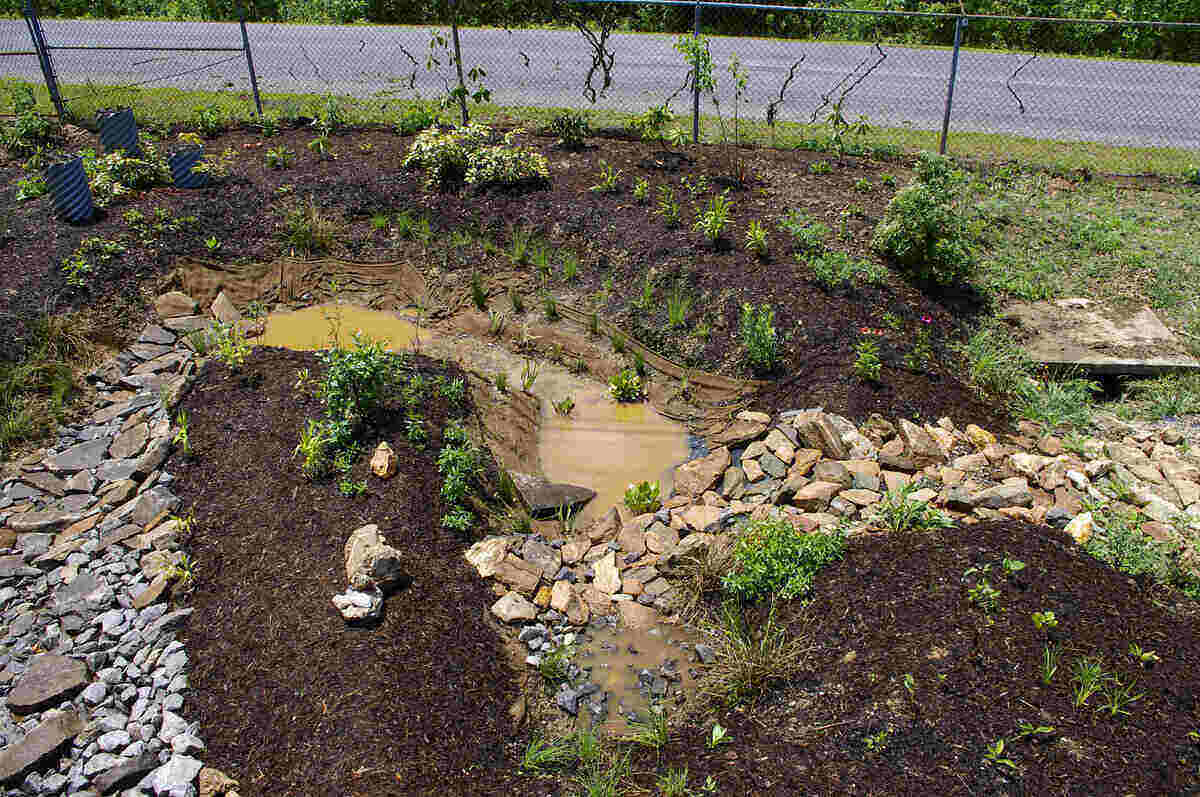
Rain gardens are shallow, sunken areas of plantings that collect stormwater runoff. Also known as bioretention cells, they hold runoff like a bowl before absorbing it into the ground, keeping pollution out of nearby storm drains. They are a beautiful, eco-friendly solution to flooding.
As Mitchell Pavao-Zuckerman, PhD, of the University of Maryland in College Park, Maryland, notes, “Rain garden soils are designed to infiltrate stormwater, slowing the flow of surface runoff and promoting ecological processes that treat that water.”
Pro tip: Include native plants in your rain garden, because their deep root systems help filter out pollutants.
3. Collect water with cisterns

Cisterns are large underground or aboveground storage tanks that collect runoff from roofs and driveways for later use. Sloped terrain funnels stormwater into the tank, and you can pump it back out to irrigate your lawn or garden.
4. Try rain barrels

As the name suggests, rain barrels collect rain directly from downspouts. By capturing the water, the barrel keeps it from joining streams and rivers. The water captured by the barrel is later available to hydrate your garden or turfgrass.
Most barrels hold about 50 gallons of water and typically cost $50 to $150.
5. Add vegetation to bare spots on your lawn

Plants not only filter water through their root systems, but those roots ‘grab’ the soil and keep it in place. Therefore, ground covers lessen runoff and erosion.
Native plants are ideal ground covers because of their familiarity with the local habitat and ability to survive with minimal upkeep.
6. Never dump anything down the storm drains

Improper disposal of chemicals into storm sewers is not only bad for the environment; it’s also against the law. Dumping anything into storm drains is simply polluting.
If you’re unsure how to dispose of a particular chemical (such as fertilizers or pesticides), check the label or schedule a pick-up with your local hazardous waste facility.
7. Use fertilizers sparingly

Apply only what your lawn needs, because excess fertilizer washes into waterways with stormwater. There it feeds algae blooms that use up the oxygen fish need, suffocating aquatic life.
“In many cases, soils already contain sufficient nutrients, and excess fertilization can increase runoff pollution without improving lawn health,” explains Rianna T. Murray, PhD, of the University of Maryland School of Public Health in College Park, Maryland.
8. Practice proper pest management
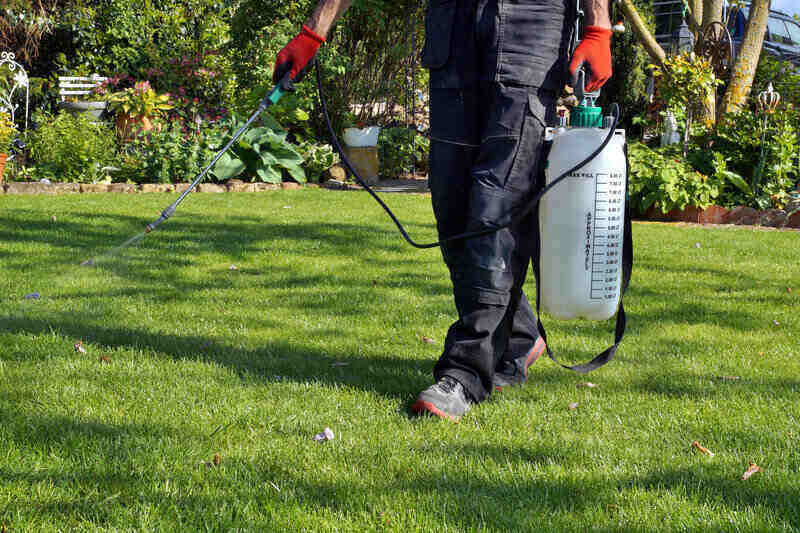
Similar to fertilizers, pesticides are a significant pollutant in stormwater runoff. Consider hiring a professional who is trained to apply pesticides with minimal impact on the environment. Another option is to apply eco-friendly organic pesticides.
Pro tip: Integrated Pest Management (IPM) is an eco-friendly approach to pest control that can reduce pesticides in stormwater runoff.
9. Don’t bag your leaves

Try using a mulching lawn mower instead. The mulched leaves will soak up the water like a sponge. Plus, the shredded leaves are a great source of nutrients for your lawn.
10. Pick up after your pet

Picking up after your pet keeps fecal bacteria out of lakes, rivers, and your drinking water. When pet waste washes into local waterways, it raises public health risks and can cause infections.
11. Don’t wash your car on your street or driveway

Hard surfaces like driveways and streets can’t absorb water, so runoff just rolls across them. Washing your car on these surfaces sends car oil, brake fluid, and other contaminants straight into storm drains.
Instead, take your car to a professional car wash. Car washes have wastewater management systems that help keep the soap and other contaminants out of local waterways.
12. Fix fluid leaks in your vehicles

Don’t wait for the rain to wash those stains off your driveway; it’s time to call your mechanic. Oil, brake fluids, and antifreeze can pollute our waterways with heavy metals. Keep your vehicles running smoothly and well-maintained.
13. Don’t overdo the deicers
Road salt and other de-icing products protect your safety, but they can harm the environment. When they wash off non-porous surfaces, they pollute soil and water.
With nowhere else to go, the excess salt and chemicals flow through storm drains into rivers and lakes, altering ecosystems.
When using these products, follow all instructions carefully and apply the appropriate amount. Clean up spills and excess salt. For a more eco-friendly alternative, consider sand or regular kitty litter.
14. Aerate the lawn

When your lawn’s soil is compacted, it struggles to absorb water, nutrients, and oxygen. As a result, runoff will roll off the lawn with ease.
Core aeration removes plugs of soil to relieve compaction, so water, nutrients, and oxygen move freely and your lawn soaks up rainfall instead of shedding it. If digging into compacted ground sounds like a chore, aeration service is one of those jobs a local pro can knock out quickly.
FAQs
Start by talking with your neighbor, since many runoff issues are solved cooperatively. If that fails, redirect the water along your property line with a shallow planted ditch (a swale), a gravel-filled French drain, or a rain garden. Choose among these options based on your soil type and slope: a swale suits gentle grades, a French drain works where water pools, and a rain garden fits spots that stay damp.
Unmanaged stormwater runoff affects everyone, causing:
• Flooding
• Property damage
• Erosion
• Sedimentation that clouds water and kills aquatic ecosystems
• Polluted drinking water
Most stormwater joins streams and creeks. Eventually, that water will travel to other larger bodies of water until it reaches the ocean. In many communities, storm drains discharge directly to local waterways without any treatment, so whatever the runoff picks up along the way, oil, fertilizer, and pet waste, flows straight into the streams, rivers, and lakes downstream.
About 35% of rainwater becomes runoff in streams and rivers. About 65% of rainfall returns to the atmosphere through evaporation. That split shifts with conditions, though: Porous soil and healthy vegetation absorb more rain, while impervious surfaces like roofs, driveways, and streets send far more of it rushing off as runoff.
When to hire a professional
Call a landscaping professional when your yard floods repeatedly or when drainage fixes feel out of your depth. A pro can grade your yard and install the right drainage solution to keep runoff and its pollutants out of local waterways.
Need help with aeration, grading, or drainage that’s contributing to rainwater runoff? Let Lawn Love connect you with a local lawn care service provider and get a free estimate today.
Read more:
Main photo credit: Stormwater runoff at the Paddocks wetland, Salisbury, SA. CSIRO | Wikimedia Commons | CC BY 3.0
Related Posts: