| Key Takeaways |
|---|
| • It spreads fast: A single pampas grass flower head can produce up to 100,000 wind-blown seeds that travel for miles. • It can hurt people and property: Its razor-sharp leaves cut skin, and its dry clumps burn quickly near homes. • Removal takes persistence: Bag the plumes first, then dig out the root crown or treat regrowth with glyphosate. |
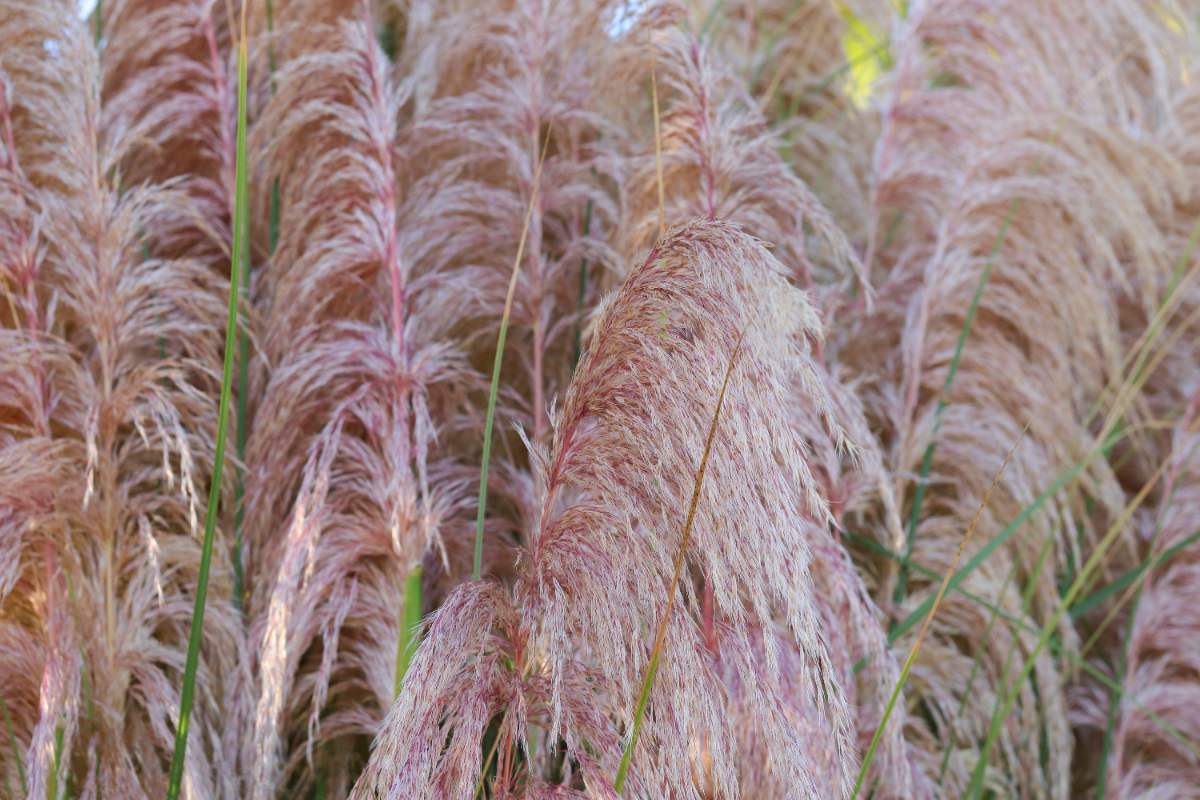
Why is pampas grass bad? This plume-topped ornamental grass is invasive in several states, crowds out native plants, cuts skin with its sharp leaves, and becomes a fire hazard when it dries out.
It’s still popular for weddings, garden beds, and focal points, so it pays to know the risks. Learn why it causes problems, where it’s invasive, how to remove it, and what to plant instead.
Pampas grass seedlings sprout fast in bare soil, so clean garden beds are your first line of defense. Lawn Love’s flower bed weeding service keeps unwanted seedlings from taking hold in your beds.
What is pampas grass?
Pampas grass is a tall, clump-forming perennial grass native to South America and named after its Pampas region. Gardeners plant it for its large, feathery plumes, which rise above long, narrow leaves in white, silver, cream, or pink.
Most plants grow 6 to 13 feet tall, topped by plumes 1 to 3 feet long. It prefers full sun and well-draining soil.
It grows in hardiness zones 6 to 10, from California, Oregon, and Washington to Texas, Louisiana, South Carolina, and Utah. Once established, it handles intense sun, drought, and frost.
To find your hardiness zone before planting any ornamental grass, check the 2023 U.S. Department of Agriculture (USDA) Plant Hardiness Zone Map.
Prune it between late winter and early spring, wearing heavy-duty gloves and long sleeves. The feathery-looking blades have stiff edges sharp enough to cut skin.
Read more:
Why is pampas grass bad?
Pampas grass is bad for most landscapes because it spreads by wind-blown seed, crowds out native plants, injures people and pets, and fuels wildfires.
| Drawback | Why it matters |
| Invasive spread | Seeds travel on the wind and sprout in bare or disturbed soil |
| Displaces native plants | Dense clumps lower biodiversity and wildlife habitat |
| Fire hazard | Dry leaves and plumes burn fast near homes |
| Sharp leaves | Toothed leaf edges cut skin |
| Pest shelter | Untended clumps collect debris that can invite pests |
| Pollen allergies | Pollen may trigger sneezing and congestion |
| Costly removal | Leftover crowns resprout and need follow-up |
Pampas grass is invasive

Pampas grass is highly invasive outside its native range, especially along the California coast.
Its popularity as an ornamental gave it many chances to escape into natural areas, says Justin M. Valliere, assistant professor of Cooperative Extension at the University of California, Davis.
Once there, its lightweight, wind-borne seeds can easily take hold on bare, exposed soil. Female plants can produce up to 100,000 seeds per flower head, and the wind-dispersed seeds can travel up to 20 miles.
Pampas grass displaces native plants
Dense stands of pampas grass push out native plants, which lowers biodiversity and leaves wildlife with less food and shelter.
In coastal California, pampas grass can take over native shrublands, “sometimes completely converting from native shrublands to invasive-dominated areas,” Valliere says. That could hurt wildlife that depend on those shrublands, he adds.
Pampas grass is a fire hazard
Pampas grass becomes highly flammable as it dries out in summer. Its tall, dense clumps act as fuel in wildfire-prone areas and put homes, fences, and nearby woodlands at risk.
Read more:
Pampas grass can cause injury
Pampas grass leaves have sharp, saw-like edges that easily cut skin. Avoid planting it near patios, paths, or play areas where children and pets spend time.
Pampas grass can harbor vermin
Like any dense planting, an untended clump collects dead leaves and debris that can invite pests. Cutting back old growth helps.
Pampas grass can trigger allergic reactions
Like other grasses, pampas grass releases pollen that may cause sneezing, itching, and congestion in sensitive people. If pollen bothers you, these pollen allergy tips can help.
Ways to reduce pollen exposure:
Start allergy treatments before pollen season begins
Limit outdoor activities when pollen counts are high
Keep windows closed during peak pollen times
Remove your shoes before going indoors
Pampas grass can be costly to control
Getting rid of an established stand takes time, labor, tools, and often several rounds of treatment. Many homeowners pair digging with pre-emergent herbicides to stop new seedlings and post-emergent herbicides to kill regrowth.
Keep herbicide spray off nearby plants, and use hand pulling, cutting, smothering, or mulching where you can.
Read more:
Pampas grass is visually unappealing to some people
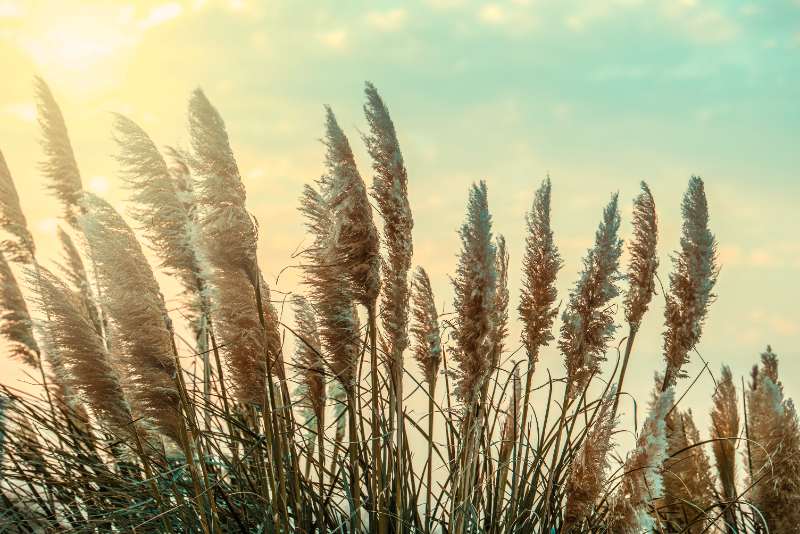
It turns beige or brown when dry, which can make a yard look overgrown and neglected.
Where is pampas grass invasive?
Pampas grass is invasive in California, and Washington lists it as a Class C noxious weed after escaped populations turned up there in 2014. It has also escaped cultivation in Oregon and has been reported growing wild in Texas, Louisiana, South Carolina, and Utah.
| State | Status |
| California | Invasive; state wildlife officials urge residents not to plant it |
| Washington | Class C noxious weed since 2015 |
| Oregon | Escaped from cultivation |
| Texas, Louisiana, South Carolina, and Utah | Reported growing in the wild |
Rules and recommendations change from state to state. Before you plant any ornamental grass, check with your county Extension office or state invasive species list.
Read more:
How to get rid of pampas grass
The most reliable way to get rid of pampas grass is to remove the seed plumes, then dig out the root crown or treat regrowth with herbicide. Expect some follow-up, since any crown left behind can resprout.
Cut and bag the plumes first
Before you dig or spray, cut off the plumes and seal them in trash bags so seeds can’t blow away. Don’t compost them or leave them on the ground.
Timing matters. Michael Ade, invasive species field coordinator at the Maui Invasive Species Committee in Maui, Hawaii, says his team aims to reach sites while the plants are flowering, before seeds form.
In his crew’s experience, it’s nearly impossible to collect a seed head that’s already dispersing without scattering some seed.
His crew typically cuts each stem a couple of inches below the plume, gently places it in a garbage bag. Once all the plumes are collected, they put that bag inside a contractor-grade bag.
Dig it up
For small clumps or a few plants, dig out the whole plant with a sharp shovel or mattock. Remove as much of the root crown as possible to prevent regrowth, and wear heavy gloves, eye protection, and long sleeves.
Getting the whole crown matters most. Pampas grass doesn’t typically spread through underground rhizomes, so “it shouldn’t resprout as long as the entire crown has been removed,” Valliere says.
Apply herbicide
For large clumps, cut the foliage down and treat the regrowth with a non-selective glyphosate herbicide. Follow the label and plan on more than one application.
Try the cut-and-smother approach
Cut the plants down to ground level with pruning shears or a saw. Cover the stumps with thick black plastic or heavy-duty landscaping fabric to block sunlight, then pull any new shoots that appear.
Skip burning as a long-term fix
Burning clears top growth, but it doesn’t provide long-term control because pampas grass quickly resprouts from the crown. If you do burn, follow local fire rules.
Call in the pros
If clumps are large or keep coming back, a landscape professional can remove them safely and set up a follow-up plan for your yard.
Either way, check the spot each year and pull seedlings before they mature, so the soil’s seed supply runs out and no missed plants go to seed. Ade’s crew revisits treated sites for up to four years, though “at most sites, no seedlings are found by the second year.”
Don’t skip these checks. If you miss one mature plant, “the cycle of seed production and subsequent control efforts could continue indefinitely,” he says.
Pampas grass alternatives
The best pampas grass alternatives give you tall, airy plumes without the invasive spread. Valliere recommends replacing pampas grass with native plants, including grasses, that also provide valuable habitat for local wildlife.
Replant soon after removal, since bare soil is exactly where pampas seedlings take hold.
| Alternative | Native to | Why it works |
| Switchgrass | Central and eastern U.S. | Native prairie grass with airy seed heads and fall color |
| Little bluestem | Central and eastern U.S. | Compact native grass that turns copper in fall |
| Big bluestem | Central and eastern U.S. | Tall native grass with a bold, upright look |
| Indian grass | Central and eastern U.S. | Native grass with golden plumes in late summer |
| Pink muhly | Eastern and southern U.S. | Mounding native grass with airy pink plumes in fall |
| Giant wildrye | California | California native that forms dense stands and draws seed-eating birds |
| Deergrass | California and the Southwest | California native with tall, slender flower spikes |
Read more:
FAQs
Pampas grass isn’t known to be toxic to pets, but its sharp leaves can cut paws, noses, and mouths. Its pollen may also bother pets with allergies, so keep dogs and cats away from established clumps and supervise them in yards where it grows.
Dried pampas grass looks harmless indoors, but the plumes can still shed seeds that sprout outside. Buy treated plumes instead of cutting them from yard or roadside plants, and bag old arrangements for the trash rather than composting them or tossing them outdoors.
Yes, pampas grass is a long-lived perennial that comes back every year, and a single clump can live for more than a decade. That long lifespan means one plant can release seeds season after season, which is why removing it early saves work later.
Pro help at your beck and call
Removing old clumps, bagging seed heads, and replanting with better-behaved grasses is a big job to squeeze into your weekends.
Let one of Lawn Love’s local gardening pros take it off your to-do list. They can clear unwanted plants, refresh garden beds, and keep your yard looking its best, so you can enjoy it instead of working on it.
Read more:
Main Image: Pampas grass. Photo Credit: Mariia / Adobe Stock
Related Posts:


