If you live with the risk of wildfires, you want to take steps to protect your home. But how do you create a fire-resistant landscape? Using fire-resistant plants may be the best option for your space.
Below, we’ll look at some of the best fire-resistant plants you can get, as well as some things you should consider when making your selections.
These can be tough choices based not just on what looks good but how it functions in your landscape. Not confident enough to tackle this? Consider using a pro.
What makes a plant fire-resistant?
Fire-resistant plants (also called ignition-resistant plants) have characteristics that make them less likely to ignite or contribute to the spread of wildfires. Their foliage and stems don’t easily burn, and they usually produce fewer embers if they do burn.
But fire-resistant doesn’t mean fireproof.
“Nothing is fireproof in the plant world,” says Deryn Davidson, Sustainable Landscape state specialist at Colorado State University Extension. A high-intensity fire can overcome a fire-resistant plant.
What to consider when choosing fire-resistant plants
There are a few things you should keep in mind before you begin loading your cart at the garden center:
The plant’s fire-resistance rating
Plants have a fire-resistance rating (also called a flammability rating) that ranges from 10 to 1. High scores have low flammability; low scores indicate high flammability. These lists can be found on the internet (Colorado State’s Extension has one, as does Idaho Firewise, a nonprofit that promotes wildland fire education.)
Know that flammability ratings aren’t standard across the U.S. But if you can’t find a list for your area, other lists may still be useful. For example: “Idaho is a leader in fire- and ignition- resistant plant material, so their rating would hold true anywhere,” Davidson says.
Plan to space them properly
It’s tempting to buy lots of plants, with the idea of squeezing them into a large bed or around the trees. But don’t. Besides being bad for plant health, closely spaced plants are considered “ladder fuels.” If they ignite, the flames will spread from the ground up.
”The spacing is important when you’re looking at ladder fuels (like) having ground covers that touch perennials, that touch shrubs, that touch trees,” Davidson says. “If one of those catches fire, the flames can follow the plant material up to the tree canopy like a ladder.”
Plan to maintain your landscape
Dead plants are great fuel for fire, so, your fire-resistant plants need regular watering, pruning, and proper nutrition, just like any other plant. But maintenance in a defensible zone extends beyond plant care, Davidson says.
“Maintenance is key,” she says. That’s “keeping tree debris off roofs and out of gutters, keeping plant material cleaned up.
For more information on setting up a defensible zone, including proper plant spacing, see How to Create Fire-Resistant Landscaping.
Fire-resistant trees

Many varieties of trees are fire-resistant. Deciduous trees tend to be more fire-resistant because they have a higher moisture content. They also lose their leaves in the winter, which reduces the amount of available fuel for a fire.
| Northern Catalpa | |
| This fast-growing deciduous tree has large, heart-shaped, light green leaves and pale gray or reddish-brown bark. | Mature size: 40-70 feet. Blooms: In May and June, it produces trumpet-shaped white flowers. Where it grows: USDA zones 4-8. Growing conditions: Handles different soil types, but prefers moist, well-drained soil. |
| Crabapple Trees | |
| This deciduous tree, which comes in many varieties, has green or purplish foliage. Some varieties produce fruit. | Mature size: 15-20 feet. Some reach up to 35 feet. Blooms: In spring, they produce pink, white, or red flowers. Where it grows: USDA zones 3-9. Growing Conditions: Crabapples require well-drained soil and full sun to develop fruit. |
| Rocky Mountain Maple | |
| This species of maple is native to the Western U.S. It has dark green foliage and red twigs, and can be grown as a tree or a large shrub. | Mature size: 10-15 feet Blooms: Produces clusters of yellowish-green flowers in early spring. Where it grows: USDA zones 5-9. Growing conditions: Rocky areas, canyons, and along streams. |
Fire-resistant shrubs

Fire-resistant shrubs have leaves and stems with a high moisture content. They also don’t tend to accumulate dead leaves and branches. Like their tree counterparts, deciduous shrubs also lose their leaves in the fall, reducing potential fuel for a fire. Fire-resistant varieties include:
| Lilac | |
| This hardy, long-lived deciduous shrub has deep green, heart-shaped leaves and is renowned for its fragrant flowers. | Mature size: 5-15 feet Blooms: In spring, lilacs produce clusters of flowers in purple, pink or white. Where it grows: USDA zones 3-7, though some are found in zones 8-9. Growing conditions: They prefer full sun and well-drained soil. They also prefer cold winters to initiate flowering in the spring. |
| Flowering Currant | |
| This deciduous shrub is native to the Western U.S. and Canada. It has dark green leaves and pink flowers. Some species produce fruit that birds enjoy. | Mature size: 5-12 feet. Blooms: In early to mid-spring, it produces clusters of small pink to deep red flowers. Where it grows: USDA zones 6-9 Growing conditions: It prefers sun, as well as cool and moist conditions. But it tolerates drought. |
| Snowberry | |
| This resilient plant is a native of North America. It’s known for its clusters of snow white berries that remain all winter. | Mature height: 4 feet Blooms: In early summer, clusters of small bell-shaped flowers appear, followed by berries later in the season Where it grows: USDA zones 2-9 Growing conditions: Snowberry can handle a variety of soils as well as dry conditions. It prefers full sun for producing fruit. |
Fire-resistant groundcovers

Fire-resistant groundcovers have high moisture content in their leaves and stems. Many are succulent or fleshy. They also have open branching patterns that reduce the amount of dead material that piles up.
| Yellow Iceplant | |
| This mat-forming evergreen succulent has fleshy green leaves that turn bronze in winter. | Mature height: 1-3 inches tall Blooms: It produces yellow daisy-like flowers from June to September. Where it grows: USDA zones 4-8 Growing conditions: It likes full sun in dry to medium well-drained soils. Heat and drought-resistant. |
| Sedum/Stonecrop | |
| This perennial succulent comes in many varieties. As a groundcover, it has small, fleshy leaves that can be green, yellow, red, blue, silver, or variegated. | Mature height: 2-12 inches Blooms: In summer, it produces star-shaped yellow, orange, pink, or white flowers. Where it grows: USDA zones 3-11 Growing conditions: It prefers average or rocky soil with good drainage. It dislikes clay soils. |
| Phlox | |
| This low-maintenance native of the Eastern and Central U.S. has needlelike green foliage that grows to form a dense mat. | Mature height: 4-6 inches Blooms: In spring, it produces white, blue, pink, or striped star-shaped flowers. Where it grows: USDA zones 3-9 Growing conditions: It prefers full sun, but handles light shade. It’s drought-tolerant and can handle different soil types, as long as they are well-drained. |
Fire-resistant flowers

These flowers share the characteristics of other fire-resistant plants: High moisture content in leaves and stems, open growth structure, and minimal dead material. Many have extensive root systems that let them recover quickly if they are damaged by fire.
| Coneflowers | |
| This relative of the daisy family comes from the central and eastern areas of the U.S. It grows in clumps, producing thin, lance-shaped leaves and daisylike flowers with a spiky center that resembles a cone. | Mature height: 2-4 feet Blooms: From late spring to late summer, it produces pink, purple, white, or yellow flowers. Where it grows: USDA zones 4-9 Growing conditions: It prefers six to 8 hours of direct sunlight per day in well-drained soil. Needs regular watering in the first season to establish roots. |
| Hostas | |
| This member of the asparagus family is known for its foliage: clumplike structures of leaves in shades of green, blue-green, yellow or white, either solid or variegated. | Mature height: up to 3 feet. Blooms: From late spring to midsummer, it produces spikes of bell- or trumpet-shaped flowers in lavender or purple. Where it grows: USDA zones 3-9 Growing conditions: It can handle full shade to partial sun. It prefers consistent moisture in well-drained soil, but is somewhat drought-tolerant. |
| Daylily | |
| This perennial is known for its flowers that last just a day, hence the name. Its thick, grass-like leaves form in a clump. | Mature height: 19-22 inches Blooms: From late spring to early summer, daylilies produce trumpet-shaped blooms in a wide variety of colors. Where it grows: USDA zones 3-9 Growing conditions: It’s drought-tolerant, but prefers full sun to part shade and well-drained soil. |
FAQ about fire-resistant plants
Yes, turf grass can be considered fire-resistant, Davidson says, as long as it’s well-maintained, meaning that it’s regularly watered and properly mowed. (Colorado State’s plant list suggests mowing to a height of 2 inches.)
However, ornamental grasses can amass dead and dried leaves, making them potentially flammable. In some areas it’s customary to leave them uncut over winter, Davidson says. “But if you have legitimate concerns (about fire safety) you’ll cut them back.”
Yes, you can mix regular and fire-resistant plants, Davidson says. But it’s important to create enough space between plants to prevent a fire from moving from plant to plant, or up into the tree canopy.
Do you need help to keep your property safe from fires?
Creating and maintaining a fire-resistant landscape for your property is crucial if you live in a fire-prone area. If you can’t do it yourself, or just need help to get it all done, Lawn Love can connect you with experienced professionals in your area to handle your yard cleanup, gardening, and lawn mowing chores.
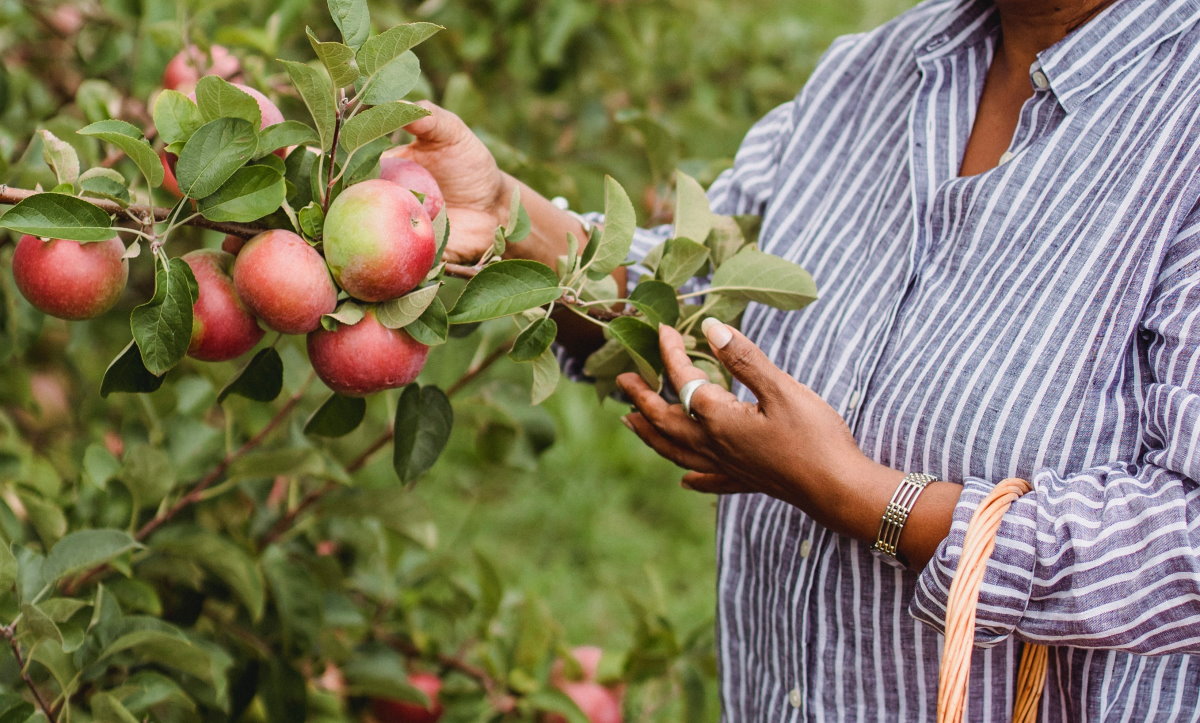
Main Image: A collage displaying the best fire-resistant plants. Photo Credit: Adobe Stock
Related Posts: