| Key takeaways |
|---|
| ● Weed pollen, mainly ragweed, will be the bigger fall allergy concern nationwide this year, and could linger into October in some areas. ● Cities expected to see high weed pollen include Raleigh, Nashville, Atlanta, Little Rock, Denver, Salt Lake City, and Albuquerque. ● Grass pollen is easing nationally but will stay elevated longer in the mid-Atlantic and Midwest, including around New York, Philadelphia, Detroit, and Chicago. |
Achoo! If you’ve already gone through a few tissue boxes this September, blame the ragweed. The fall allergy forecast 2026 is in, and weed pollen (mostly from ragweed) is shaping up to be the biggest problem this year.
The Southeast and southern Rockies are in for the worst of it, while grass pollen lets up across most of the country but hangs on longer than usual in parts of the East and Midwest.
You can’t do much about pollen blowing in from three towns away, but you can control what’s happening in your own yard. Lawn Love’s local pros can handle the mowing, weed control, and cleanup that keep ragweed from taking hold before it ever has a chance to flower.
What’s driving this year’s forecast
According to AccuWeather’s 2026 fall allergy forecast, warm, wet weather is pushing pollen levels up across the eastern half of the country as summer turns to fall.
Grass and weed pollen are the two allergens doing most of the damage right now, and this year the pattern splits geographically: grass is worst where population is densest, while weed pollen is spreading more widely.
Trees are usually not a major source of fall pollen. In most parts of the U.S., tree pollen season peaks in early spring. Some regional exceptions include Chinese elm, identified in an Atlanta study as a significant August–September aeroallergen, and cedar elm, a south-central species that flowers in late summer.
Rain isn’t all bad news for allergy sufferers, but the relief doesn’t last. Rain can temporarily wash pollen out of the air, but weeds often use that moisture to grow and release even more pollen in the days that follow.
Weed pollen forecast
Weed pollen is expected to be the bigger story nationally this fall, with levels that could linger into October.
“The warmer and rainier weather over the Southeast and the Rockies will aid in keeping the weed pollen continuing and also to keep enough moisture for the weeds to grow as well,” explains Alan Reppert, senior meteorologist at AccuWeather.
“El Niño typically brings warmer and wetter weather over those regions, and that is the big reason we are expecting that perfect storm for ragweed to be both high and last for a longer time,” Reppert says.
Prevailing wind currents are also set to move allergens across state borders.
“Ragweed does travel quite far in the right situations,” he continues.
“Most of the wind patterns this year, especially in the Eastern United States, will tend to be out of the west to southwest,” Reppert adds. “That will aid in keeping the season longer over most of the East, along with parts of the Midwest and Southeast.”
“Those would be the areas we are most likely to see that high weed pollen from in the U.S.,” Reppert says.
Read more: Super El Niño 2026: What It Means for Your Lawn
Grass pollen forecast
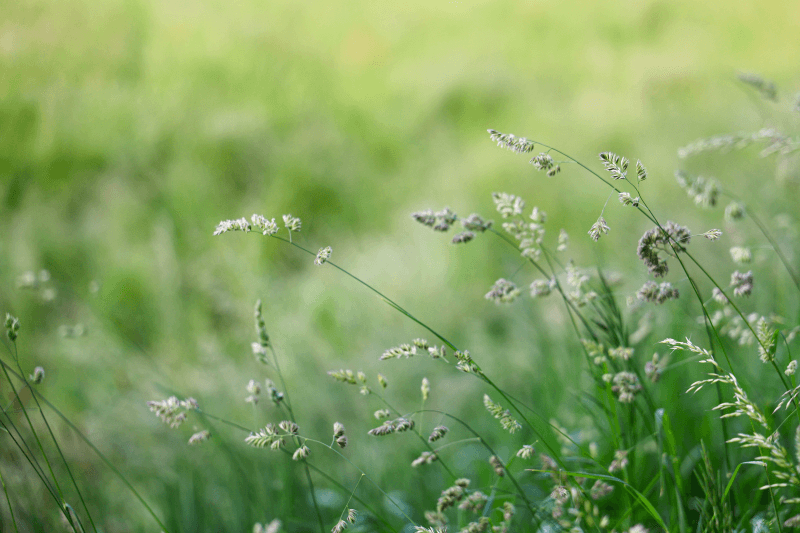
Grass pollen usually fades by late summer, but it’s holding on longer than usual in parts of the East and Midwest this year.
“For grass pollen, we start to lose the worst of it in August and early September,” Reppert says. “But things can still be high in parts of the East due to ample moisture and warm overnight temperatures.
“A lot of the warmer temperatures overnight have to do with the rainfall and high humidity levels we are seeing over the East and Midwest.
“The near to above historical average rainfall is helping to keep the warmth at night, and that warmer night keeps grass and weeds and other plants from really starting to slow down or even die off when it finally gets cold enough,” Reppert says.
“This can extend the season for several weeks in those areas,” he adds. Drier weather across much of the West and parts of the Southeast should keep grass pollen below average in those areas.
Worst cities for fall allergies in 2026
These are the metro areas facing the toughest fall allergy season:
| City | Pollen concern | Why |
| Raleigh, North Carolina | Ragweed | Southeast rainfall boosts weed growth |
| Nashville, Tennessee | Ragweed | Regional rainfall pattern |
| Atlanta, Georgia | Ragweed | Southeast hotspot |
| Little Rock, Arkansas | Ragweed | Southeast hotspot |
| Denver, Colorado | Ragweed | Southern Rockies rainfall |
| Salt Lake City, Utah | Ragweed | Southern Rockies hotspot |
| Albuquerque, New Mexico | Ragweed | Southern Rockies hotspot |
| New York City, New York | Grass | Warm, moist East Coast nights |
| Philadelphia, Pennsylvania | Grass | Mid-Atlantic moisture |
| Detroit, Michigan | Grass | Midwest moisture and warmth |
| Chicago, Illinois | Grass | Midwest moisture and warmth |
If your city isn’t listed here, that doesn’t mean you’re in the clear.
Dallas-Fort Worth is nowhere near this year’s weed pollen hotspots, but it battles ragweed every fall. The plant grows almost anywhere, from roadsides and fence lines to thin, stressed lawns, and its pollen can ride the wind for hundreds of miles.
According to the North Texas Allergy and Asthma Center, Texas heat and elevated carbon dioxide levels also help extend the pollen season.
A spot on the list doesn’t guarantee a bad season, either. Denver is forecast to see heavy weed pollen, but local clinicians report milder conditions so far.
“This fall is not bad as of yet,” says Dr. Kanao Otsu, an allergist and immunologist at National Jewish Health in Denver, Colorado.
“We had a really bad spring and summer, especially with the additional irritant exposures from all of the fires,” Otsu adds.
Elsewhere, dry conditions across the northern half of the country should limit how high weed pollen climbs.
“The warmth in much of the nation will help to keep things average and even bring a few days of strong, high peaks over the rest of the nation,” Reppert says.
You can check your local pollen outlook at Pollen.com by entering your ZIP code for a more detailed and up-to-date forecast for your area.
Ragweed allergy season 2026
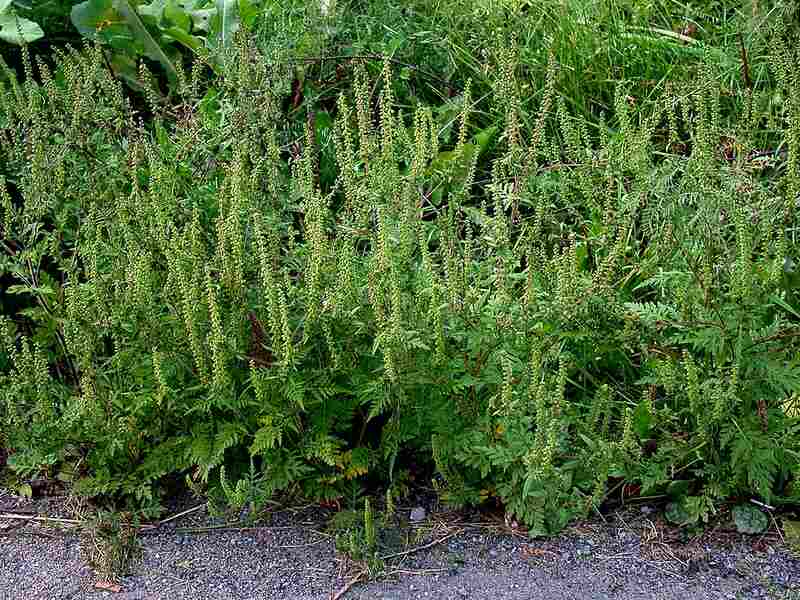
Ragweed is the main driver of fall allergies, and its season follows a fairly predictable pattern each year.
In most parts of the country, ragweed season runs from early August into October or November, depending on how far north you live and when the first hard frost arrives.
A simple way to think about the season:
- Starts: Early to mid-August in most regions
- Peaks: Mid-September in most of the country
- Ends: With the first hard frost, usually in October or November
Because the forecast points to warm conditions lingering into fall across much of the country, ragweed season could run longer than average in several regions this year, particularly where weed pollen is already forecast to be elevated.
How to get rid of ragweed in your yard
Getting ahead of ragweed before it flowers and releases pollen is the most effective way to reduce your exposure.
Hand-pull small patches: Wear gloves to avoid skin irritation, and pull the plant while it’s still small and before it flowers.
Mow before it flowers: Cutting ragweed down before it produces flower heads keeps it from releasing pollen. If it has already started flowering, mowing can still help reduce the total amount released.
Apply an herbicide for larger patches: Clemson University’s Home and Garden Information Center recommends applying glyphosate to ragweed while plants are still small, less than 12 inches tall, for the best results. A second application, around 3 to 4 weeks later, can finish off larger infestations.
Crowd it out with healthy grass or ground cover: Ragweed struggles to establish in thick, healthy turf or dense plantings. The University of Maine notes that a cover crop or dense planting can help crowd the weeds out of garden beds where they keep coming back.
Don’t compost pulled ragweed plants if they have already gone to seed: The seeds can survive the composting process and spread right back into your yard.
Fall yard care that cuts down on pollen
A few simple habits can lower the amount of pollen you are exposed to in your yard. Homeowners often worry that outdoor work will stir up allergens, but removing problem plants pays off in the long run.
“Weeding and getting rid of potential allergens are a good mitigating strategy,” Otsu says.
- Mow regularly through fall and maintain a manageable grass height. Tall, unmowed grass lets weeds like ragweed flower and spread more easily.
- Rake up and remove fallen leaves regularly to keep your grass healthy, but don’t assume leaf piles are the main cause of your sniffles. “The mold we worry about in the fall is more related to the airborne mold, such as Alternaria,” Otsu says. “Alternaria is an airborne mold that is present around late August/September,” Otsu explains. “Kids who are allergic and have asthma can have asthma exacerbations from this as well.
- Clear brush and yard debris where ragweed and other weeds tend to take hold along fence lines and garden edges.
- Fill bare patches of soil with grass, mulch, or ground cover so weeds have less room to grow.
Read more: It’s Not Your Imagination – Your Fall Allergies Are Worse Than Ever
FAQs
Goldenrod blooms at the same time as ragweed and is constantly blamed, but it is the wrong plant.
Goldenrod pollen is heavy and sticky, and insects carry it from flower to flower rather than the wind. Ragweed pollen is light, dry, and wind-blown, which is exactly what makes it able to reach your sinuses.
Ragweed pollen is extremely light and travels on wind currents far beyond where the plant is actually growing. That means your symptoms can be driven by ragweed growing in a neighbor’s yard, a nearby field, or even several miles away, not just plants on your own property.
Yes, if plants are allowed to go to seed. A single ragweed plant can drop thousands of seeds that stay viable in soil for years, so letting ragweed flower and seed this fall makes it more likely to come back, and possibly in greater numbers, next year.
Pulling or mowing it down before it seeds is the best way to keep next year’s ragweed season smaller in your own yard.
Yard work helps, but pollen can still get inside. You should:
Take your shoes off before walking inside, and avoid wearing outside clothes on furniture or in bed.
Shower and rinse your hair after spending time outdoors, since pollen clings to skin and hair.
Wipe down pets’ paws and fur after they have been outside, since they can track pollen in.
Keep windows closed and run the air conditioner or an air purifier with a HEPA filter instead.
Don’t hang laundry outside to dry during peak pollen weeks.
With children heading back to school, it’s hard to distinguish between a seasonal virus and fall allergies.
“Kids are back in school, which means an increase in viral infections,” Otsu says. “Adenovirus is common in the summer and fall.”
To tell the two apart, look for itching. “Typically, allergies are associated with itching,” Otsu explains.
“Nasal congestion can happen with both upper respiratory infections and allergies, but the difference is the absence of itchy eyes, nose, and ears,” Otsu says.
Breathe easy by hiring a local lawn care provider
Fall allergies are quite a nuisance, and relying on the weather to freeze away your problems is a terrible strategy. While you cannot control the wind blowing pollen from the next town over, you can control your own property.
If you want to stop sneezing and start enjoying your yard, Lawn Love’s local pros can handle the mowing, weed control, and leaf cleanup so you can breathe easier this fall.
Main Image: A woman sneezes into a tissue on a colorful autumn forest path, illustrating the discomfort of seasonal fall allergies. Photo Credit: Maksym Tereshchenko / Adobe Stock
Related Posts: