| Key takeaways |
|---|
| • Time it right: Winterize flower beds after the first hard freeze but before the ground freezes solid. • Mulch smart: A 2- to 3-inch layer of organic mulch kept off plant stems steadies soil temperature through freeze-thaw cycles. • Protect and water: Water evergreens well in fall and shield shrubs with twine, covers, or burlap to prevent snow and wind damage. |

Winterizing your flower beds means cleaning out spent plants, caring for perennials, mulching, and protecting shrubs before the cold sets in. A few simple fall chores now keep your plants healthy and ready to bloom next spring.
Work through the steps below in order, from perennial care to a final deep watering, to get your flower beds winter-ready. For hands-off help, Lawn Love’s gardening services also cover seasonal bed cleanup.
How to winterize your flower beds step by step
Winterizing your flower beds comes down to a short sequence of fall chores. Work through each step in order, and your plants will be ready for the cold.
Pay attention to perennials

To get your perennials ready for colder temps, do two things:
Remove branches that are dead, diseased, or damaged.
Unhealthy branches may fall under the weight of winter snow. Cut back these stems to avoid injury to other, healthy parts of the plant. If it doesn’t snow where you live, this is still a good fall chore. You can throw undiseased branches in the compost pile.
Divide perennials.
Why should you divide perennials?
To keep flower beds attractive, not overgrown
To allow more space for roots to grow
To have extra plants for other areas of your yard
To have plants to share with friends
When is the perfect time to divide your perennials? Plants that flower in spring and summer should be divided in fall. If you live in a northern climate, do this 4 to 6 weeks before the ground freezes.
Michelle Pham, PhD student in the Environmental Sciences Graduate Program at Ohio State University, says fall is the perfect time to divide perennials.
“In most regions, September and October are good months for dividing plants. You want to do this between when perennials are devoting energy to flowering and transitioning to developing roots,” Pham says.
Read more:
Clean up annuals and weeds
Annuals require yearly clean up (hence their name), and fall is that time for your annual flower bed plantings.
Remove all of your summer annual flowers, including their seed heads, from your flower beds. (Throw these in your compost bin.) This does more than save you time next spring. Leaving annuals in your beds over the winter will invite pests and disease as the plants decompose.
While you’re there, clean out your weeds. This gives you a weed-free canvas before you mulch.
Read more:
Get a head start on spring

If you want to get a head start on spring, go ahead and do a little winter gardening. If you live up north, plant hardy bulbs like crocuses and tulips. Put them in flat (root) side down, pointed (shoot) side up in well-drained soil with a little fertilizer.
They work in-ground or in raised beds. Just be sure the soil is well drained and the bed is deep enough for your variety.
Choose and time your mulch
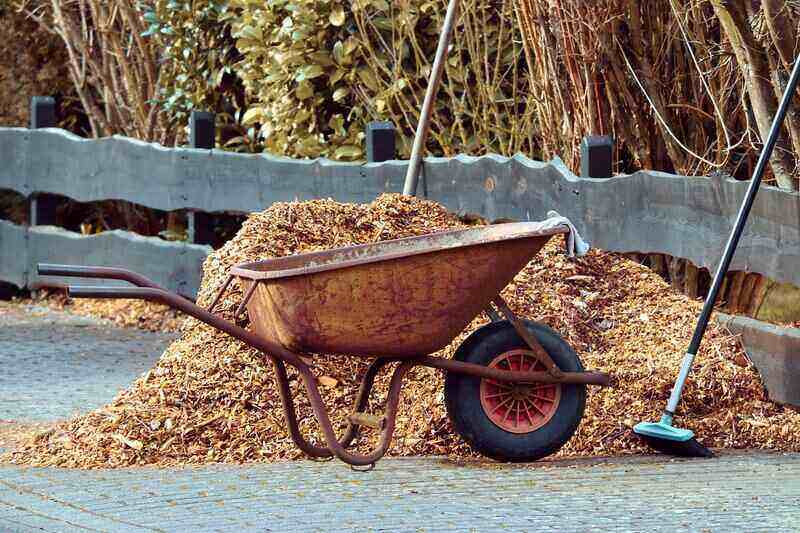
Mulch provides many benefits for your plants:
Helps prevent winter moisture loss
Adds organic matter as it breaks down
Reduces weeds
Reduces soil erosion (water and wind)
Regulates soil temperatures
Helps tender plants have a better chance of winter survival
One benefit of mulching in cold climates is that it helps prevent temperature fluctuations in your soil. So, if you have repeated freezing and thawing, mulch helps keep the soil at a steady temperature so the plant doesn’t think it’s time to come out of dormancy.
Which mulch should you apply? In flower beds, most people add mulches made from organic materials because they eventually break down and add organic matter and nutrients to the soil. Rocks and landscape fabric have their place, but they won’t improve your soil.
Common organic mulches:
Leaves
Decomposed grass clippings
Bark
Pine needles
Compost
What time of year should I add mulch? If you live in a cold climate, apply mulch after the first hard freeze (28 degrees or lower). This will help keep the soil nice and cold until spring comes.
In southern states, you don’t have to wait until freezing temperatures hit. Take your cue from nature: When your trees drop their leaves, coarsely shred them with your lawn mower and add them to your flower beds as organic mulch to help insulate your plants over the winter.
Keep the mulch a few inches away from the stems of your shrubs, trees, and flowers. This allows the roots to have breathing room and remain healthy. A 2- to 3-inch layer of mulch is sufficient for most flower beds.
Christina Lueking, agriculture and natural resources extension educator at the University of Illinois, says the depth and distance are important.
“When mulching shrubs make sure that you apply so that the mulch creates a donut look around the shrub instead of a volcano that can cause issues of insect or disease pressure on the trunk area of the shrub,” Lueking says.
Exception: If you need to protect tender roses through the winter, a popular solution is to use a foot or more of fall leaves. You don’t have to mulch them; just pile them around and in between the canes. Then surround them with chicken wire or a burlap screen.
Read more:
Prevent snow damage
There’s an easy way to prevent the weight of snow from damaging shrubs and evergreens: Tie them up. Tie arborvitae, shrubs, and other perennials with jute or twine. Use 2 or 3 pieces of string per plant, depending on the height. The more compact form will prevent heavy snow from causing the branches to splay out and break.
If you have shrubs next to the house, snow falling from the roof can be a real problem. You’ll need to take a few extra steps to protect them from falling snow.
Protect these plants in 3 easy steps:
Tie your shrubs with gardening string.
Use a wooden A-frame shrub cover (also called a shrub protector) to protect small- to medium-sized shrubs. Protect larger shrubs with a plant tent. Most tents have a breathable mesh to allow airflow and a steel frame to prevent them from imploding.
Stake these to the ground.
Water evergreens before winter

To keep your evergreen shrubs green this winter, water regularly during summer and fall. Your evergreens use this time to store moisture in their needles or leaves for the dry winter months to come.
“If it is dry, then you can supplement the moisture level by watering using a soaker hose at the drip line for the roots instead of near the base of the tree,” Lueking says.
How much should you water? When the soil is dry about 6 inches below the surface, it’s time to water your shrubs. Water early in the morning, and keep watering your shrubs until the temps dip below 40 degrees.
Protect plants from winter desiccation
Dry winter winds can do a number on your plants. Two of the best ways to prevent winter desiccation (moisture loss) are:
Choose the right plant for the right place (check for winter hardiness before you buy).
Water evergreens well throughout the summer and fall.
The other tips we’ve given here are important, too, like mulching at the right time to mitigate temperature swings. If you do these things, your plants will be in great shape to weather the cold.
If you’ve noticed winter wind damage in past years despite taking the steps above, there are simple ways to give your plants extra protection. A tried-and-true option is to create a burlap screen.
“A burlap screen makes sense because it allows for air flow, prevents moisture from being trapped, and protects shrubs from road salt and deicing chemicals,” Pham says. “There might be some cases where a shrub is in an area where it will be heavily impacted by snow falling off of a roof or plow. In that case, full wrapping might make sense, but for the most part this is not necessary.”
Wrapping or swaddling your shrubs should be used sparingly. A swaddled shrub is more prone to collect heavy snow, which can cause branches to break. The wet fabric also can lead to fungal disease if not removed before warmer (and, in some places, wetter) spring weather.
A few exceptions:
Unexpected cold weather: If you live in the South, you may not need to protect your cold-hardy plants in a normal winter. But if the forecast is for colder-than-normal temps, buy frost cloth or burlap and swaddle your sensitive plants. (Drape the cloth over the shrub, and use bricks to anchor it.) When temps normalize, remove the cloth.
“I have used frost blankets to swaddle shrubs that reduced breakage and winter injury,” Lueking says. “I would consider wrapping newly planted, less established shrubs if a severe weather concern was issued.”
Young plants: Tie with string and wrap these (or use a burlap wind barrier) for the first few winters. Burlap is preferred over plastic. Wrapping your plants in plastic can create a warming effect.
A note on anti-desiccant sprays: Gardeners disagree on whether anti-desiccant sprays help evergreens in winter, and the Chicago Botanic Garden advises caution because the waxy coating can interfere with a plant’s normal transpiration. If you want to try one, follow the product label and ask your local Extension office whether the practice is effective where you live. Avoid spraying blue conifers, which already have a waxy coating.
FAQs
Yes. Leaving healthy perennial stems and seed heads standing gives birds a food source and provides winter cover for beneficial insects. Cut back only diseased or damaged growth in fall, and tidy the rest in early spring before new shoots emerge.
Skip fast-release nitrogen in late fall, since it pushes tender new growth that winter can kill. Adding compost or well-rotted organic matter is a better choice. It slowly feeds the soil and improves structure without triggering a growth spurt before dormancy.
Move tender potted plants to a sheltered spot like a garage or against a wall. Group containers together, raise them off cold surfaces, and wrap the pots to insulate roots, which are more exposed to freezing than plants growing in the ground.
Let Lawn Love winterize your flower beds
Winterizing your flower beds for next year may be more than your fall schedule can handle. If so, Lawn Love connects you with local pros for flower bed weeding to clean, mulch, divide, and protect your flower beds for the winter to come.
Main Photo Credit: Winterized flower bed with mulch | Benjamin Combs | Unsplash
Related Posts: