| Key takeaways: |
|---|
| • Sago palm and castor bean are the most lethal — even a small amount can be fatal. • Watch for vomiting, seizures, lethargy, and excessive drooling as warning signs. • Call ASPCA Poison Control (888-426-4435) immediately if your dog ingests any toxic plant — don't wait for symptoms. |

Some of the most poisonous landscape plants for dogs include common yard favorites like sago palm, castor bean, and oleander. While they may be attractive in your yard, even small amounts of plant material can cause serious health problems to your dog.
The ASPCA reported over 451,000 animal poison control calls in 2024 regarding toxic exposures, and plants were responsible for 8.1% of those cases.
If you find toxic plants in your yard and want them removed safely, Lawn Love’s local gardening pros can handle planting, removal, and landscape redesign to help you create a pet-friendly landscape.
Most poisonous landscape plants for dogs at a glance
| Plant | Most toxic part | Danger level |
| Sago palm | Seeds and nuts | Extreme (12%–64% fatal) |
| Castor bean | Seeds (contain ricin) | Extreme (often fatal) |
| Oleander | Entire plant | High |
| Lily of the valley | Entire plant | High |
| Autumn crocus | All parts | High |
| Japanese yew | Leaves, seeds, bark | High |
| Hydrangea | Flowers, buds, leaves | Moderate–High |
| Rhododendron | Entire plant | Moderate–High |
| Tulips | Bulbs (most toxic) | Moderate |
| Amaryllis | Bulb, leaves, stem | Moderate |
| English Ivy | All parts (esp. leaves) | Low–Moderate |
The 11 most toxic landscape plants
“When landscaping, a dog owner should check a reliable toxicity database before adding a new plant,” says Jessica Mercer, PhD, horticulturist at Plant Addicts. She recommends keeping questionable plants safely isolated in raised beds or behind fencing.
Here are some of the most common plants that are popular in home gardens, but are highly toxic to your dog:
1. Amaryllis

With its large, red trumpet-shaped blooms, the amaryllis is a beautiful winter holiday favorite that grows outdoors in USDA zones 8 to 11.
“Tulip and amaryllis bulbs are a bad match for dogs that dig because the bulb is the most toxic part, and a curious dog can easily unearth it,” Mercer says. She advises swapping amaryllis for safer alternatives like freesia, canna lilies, and grape hyacinth.
- Toxic elements: Bulb, leaves, and stem
- Symptoms: Lethargy, vomiting, tremors, diarrhea, loss of appetite, abdominal pain
2. Autumn crocus

The autumn crocus (known as meadow saffron or naked ladies) is a perennial flowering plant that produces distinctive purple to lilac flowers in fall, often before its leaves appear.
It can add a striking burst of late-season color, but every part of the plant is highly toxic. In dogs, ingestion of any part of the plant is a severe veterinary emergency because autumn crocus contains colchicine, a highly poisonous toxin.
- Toxic elements: Flowers, leaves, and corms
- Symptoms: Vomiting, diarrhea, bone marrow suppression, liver damage, shock, and organ failure
3. Castor bean
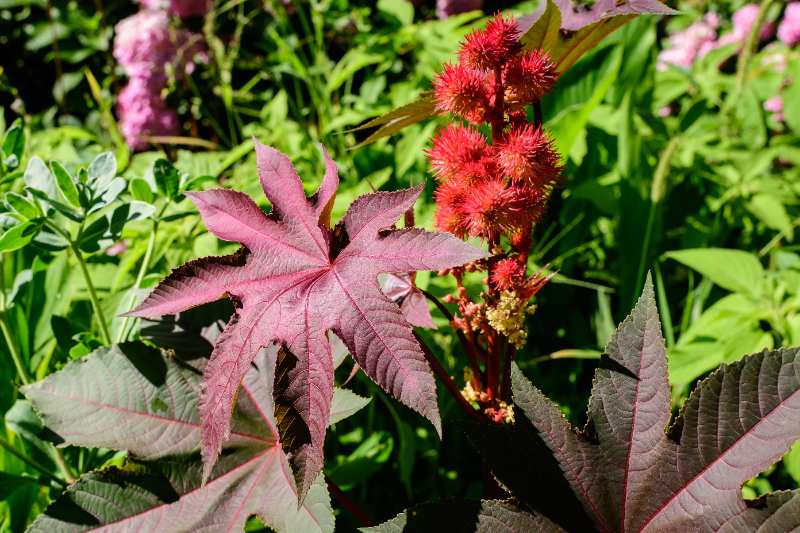
Common in USDA zones 9–11, the visually striking castor bean plant is extremely dangerous to dogs.
While the entire plant is toxic, its seeds are especially lethal. If a dog chews them, they release ricin — a highly potent toxin that causes rapid cell death and severe digestive damage, with symptoms appearing within hours.
- Toxic elements: All parts, especially the seeds
- Symptoms: Loss of appetite, severe abdominal pain, vomiting, hemorrhagic (bloody) diarrhea, trembling, seizures, coma, and death
4. English ivy

English ivy (Hedera helix) is a fast-spreading, invasive vine highly toxic to dogs. Its leaves contain potent chemical irritants that quickly affect a dog’s gastrointestinal tract upon ingestion.
While usually mild and short-lived, severe vomiting can lead to dehydration requiring veterinary IV fluids.
“Creeping thyme is an attractive, dog-safe groundcover alternative,” Mercer says. “It stays low, tolerates light to moderate foot traffic, is often evergreen, and blooms in late spring. It grows easily in sunny, well-drained spots once established.”
- Toxic elements: All parts, especially the leaves
- Symptoms: Rapid onset of drooling, abdominal pain, vomiting, and diarrhea
5. Hydrangea

Hydrangea is a popular ornamental shrub with large clusters of blue, pink, purple, or white flowers, planted across zones 3–7.
They contain amygdalin, a chemical that converts to cyanide during digestion. This causes rapid gastrointestinal distress — usually within 30 minutes — putting smaller dogs at a higher risk.
Dusty Broadhead, CEO at Lawn Logic Turf, explains that hydrangeas are “mildly toxic and won’t be catastrophic, but can cause GI upset.” For dogs that love to chew, he suggests planting safer alternatives like Loropetalum or Oakleaf Spirea for similar fullness.
- Toxic elements: Flowers, buds, and leaves (highest concentration in young leaves and buds)
- Symptoms: Vomiting, diarrhea, lethargy, and depression
Note: True cyanide intoxication is rare and usually only produces gastrointestinal disturbance; a dog would have to eat a massive amount to experience seizures or a coma.
6. Japanese yew
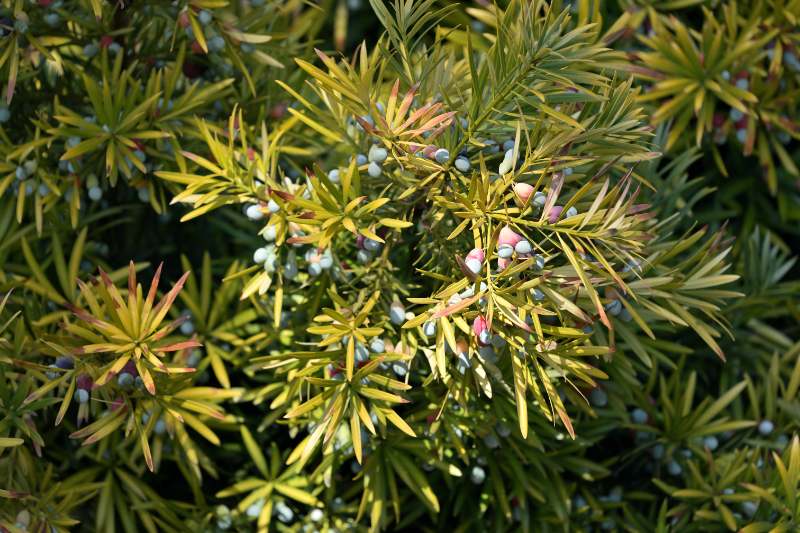
Japanese yew is a popular evergreen shrub, but it’s highly toxic to dogs even after the plant dies. They contain taxine alkaloids, with severe effects kicking in within just 1 to 3 hours after ingestion.
Because of this extreme danger, Broadhead recommends safer alternatives like Inkberry Holly, a native, non-toxic evergreen that shapes easily. He also suggests low-maintenance wax myrtle for warmer climates.
- Toxic elements: All parts of the tree (especially leaves, bark, and seeds)
- Symptoms: Vomiting, difficulty breathing, muscle tremors, seizures, life-threatening heart rate drops, and sudden death
7. Lily of the valley
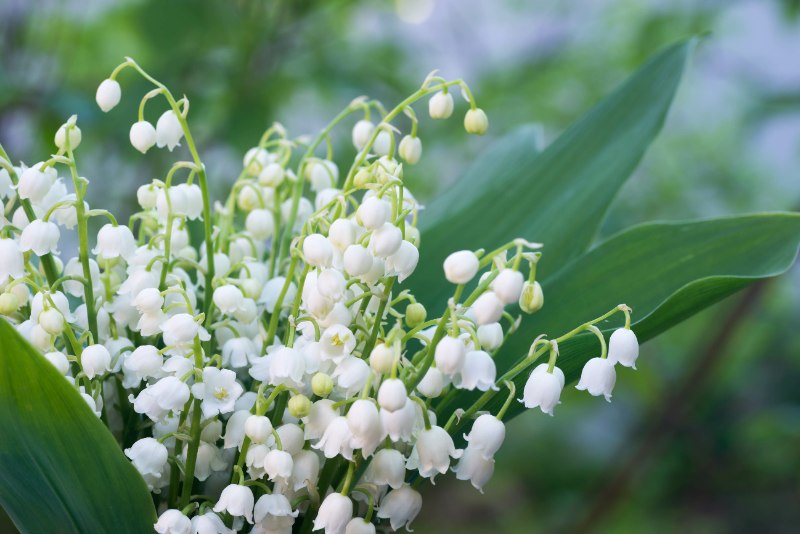
Lily of the valley is a low-growing woodland perennial favored for its delicate white flowers. It thrives in shaded environments. The entire plant is highly poisonous due to the presence of numerous cardiac glycosides.
If ingested, seek immediate medical attention to prevent fatal arrhythmias.
- Toxic elements: Entire plant
- Symptoms: Heart problems, changes in heart rate or rhythm, vomiting, low blood pressure, seizures, coma
8. Oleander (Nerium Oleander)
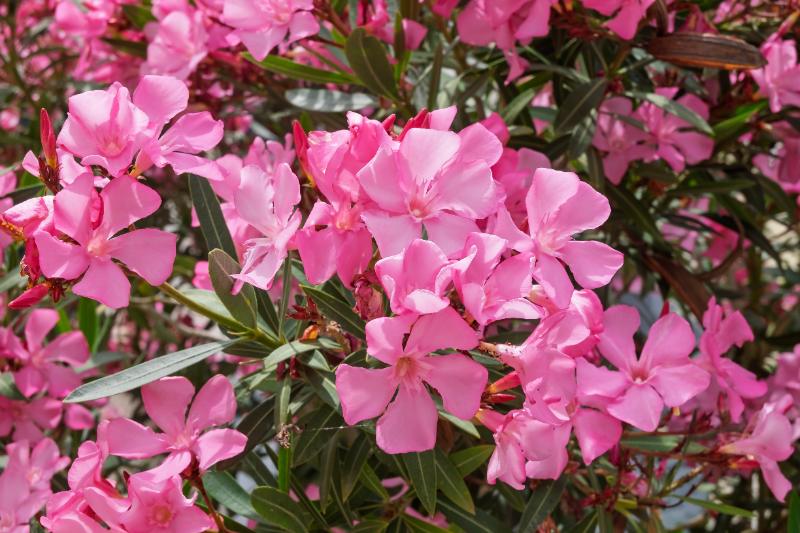
A fast-growing ornamental shrub up to 12 feet tall, with pink, white, or yellow flowers. Common in coastal southern regions (zones 8b–10). It contains cardiac glycosides, so even eating a very small amount of dry or green leaves is dangerous.
“For a flowering evergreen screen alternative to oleander, bottlebrush (Callistemon) and camellia are both pet friendly,” Mercer says.
For colder climates, she recommends planting arborvitae to create a dense evergreen privacy screen, adding that shrub roses also work perfectly as a non-toxic flowering hedge.
- Toxic elements: Entire plant (toxic to humans and pets)
- Symptoms: Heart rhythm changes, sudden weakness, diarrhea, stomach pain, excessive drooling, bloody diarrhea, death
9. Rhododendron (Azalea)
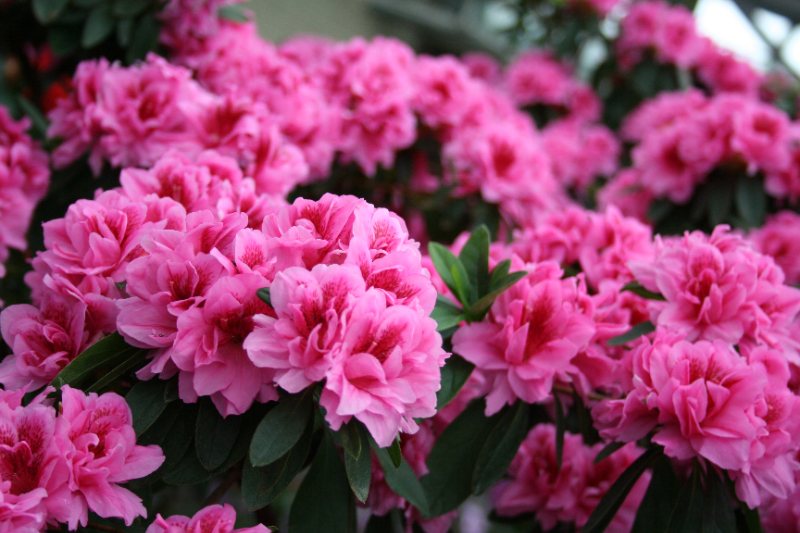
Rhododendrons and azaleas are popular Atlantic coast shrubs with colorful, funnel-shaped flowers. They are common foundation shrubs, but all parts are highly toxic to dogs.
They contain grayanotoxin, which overstimulates the nervous system and disrupts cell function. “A safer flowering shrub for part-shade is the camellia,“ Mercer says.
- Toxic elements: Entire plant
- Symptoms: Upset stomach, weakness, tremors, irregular heart rate, low blood pressure
10. Sago palm
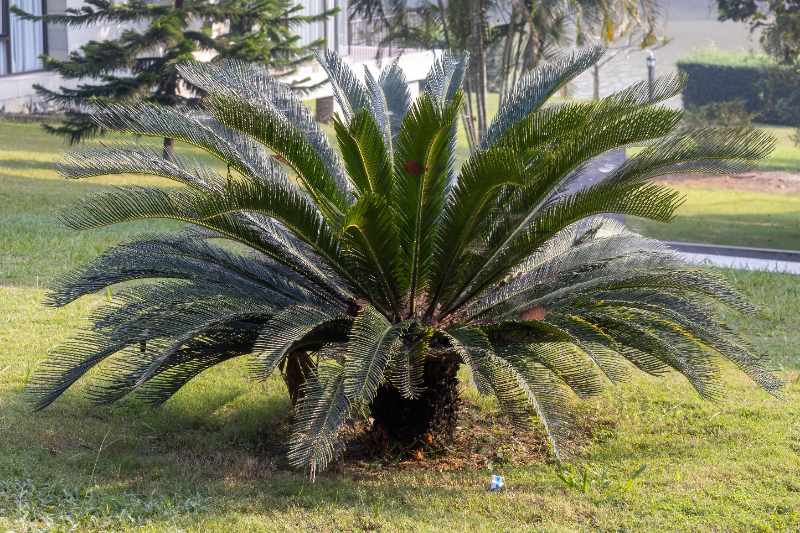
Dr. Mat Glassman, a practicing veterinary surgeon at Friendship Hospital for Animals in Washington, DC, warns pet owners about this specific plant.
“For dogs, the most dangerous plant are sago palms, especially the seeds, which can cause vomiting, liver failure, and bleeding problems,” Glassman says. He notes that these toxins act fast, with vomiting often occurring rapidly before the severe liver damage sets in.
Pro tip: For the sago palm look, Mercer recommends safer alternatives like the ponytail, parlor, or areca palm, depending on your climate. She says that pet-safe banana trees also offer a tropical aesthetic, with some varieties surviving cold down to zone 5.
- Toxic elements: Seeds and nuts (most concentrated); leaves and bark also dangerous
- Symptoms: Vomiting, diarrhea, seizures, liver failure, death
11. Tulips
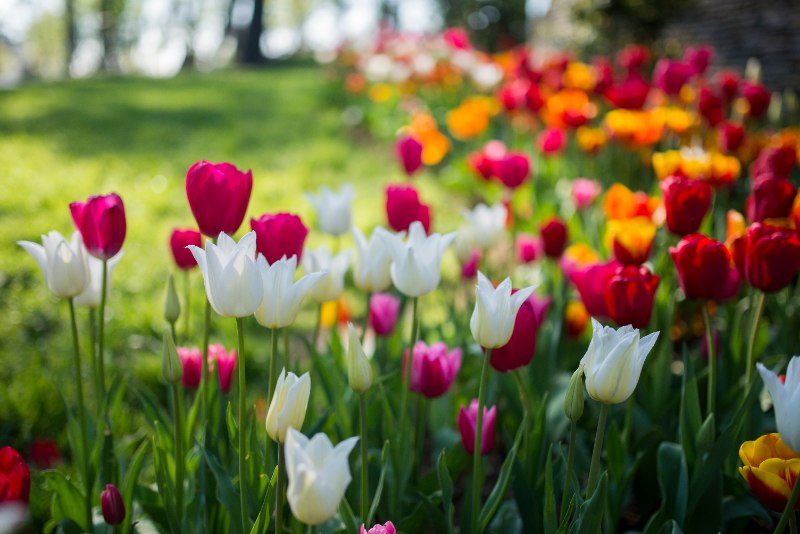
Common in gardens and bouquets, tulips are hardy in zones 3–8. The bulbs are the most toxic part — if you find tulips dug out of the ground, treat it as an emergency.
- Toxic elements: All parts; bulbs most concentrated
- Symptoms: Depression, dehydration, lethargy, loss of appetite, convulsions, death
Other common plants toxic to dogs
Many common plants, both indoor and outdoor, are poisonous to dogs. Always research any plant in your yard before letting your dog roam near it unsupervised.
Besides the sago palm, Mercer says people are also often caught off guard by aloe, English ivy, and common spring bulbs like tulips because they seem like safe, ordinary garden plants.
Glassman adds that you must be careful with foxgloves, as they “can cause heart arrhythmias which would likely manifest as weakness or pale gums or in severe cases death.”
For a complete list, visit: ASPCA’s Toxic and Non-Toxic Plant List for Dogs.
Toxic grasses and ground covers to watch for
Most ornamental grasses, like pampas grass, muhly grass, and fountain grass, aren’t toxic to dogs.
The biggest risks hiding in your grass include:
- Foxtail grass: Not the ornamental kind. Foxtail produces sharp seed awns that can lodge in your dog’s paws, eyes, nose, or skin. If not removed, they can travel internally and become life-threatening.
- Pesticide-treated grass: Any lawn treated with herbicides or insecticides can be hazardous until it dries or is watered in per the label instructions.
- Toxic ground covers: English ivy, lily of the valley, and pachysandra (mildly toxic, can cause vomiting if eaten in quantity).
Pro tip: Since no grass is entirely dog-proof, Mercer recommends using durable, nonliving surfaces like pea gravel or decomposed granite for heavy-use runs and potty areas.
Read more: Is Fertilizer Bad for Dogs?
How to reduce the risk of toxic plants in your yard
You don’t have to remove every plant in your yard, but you do need a plan to keep your dog away from the ones that matter most.
“Know what is back there. What plants are in the backyard and if they are poisonous to your pets,” Glassman says. “Keeping the labels and photos of plants or products that could be dangerous is an important step in safeguarding your pet.”
- Identify and label all plants in your yard that your dog can access.
- Move toxic plants out of reach or place them in hanging baskets.
- Barricade larger toxic shrubs and trees with fencing.
- Store gardening supplies (fertilizers, pesticides) away from your pet.
- Pay attention to gifted bouquets and holiday plants, such as amaryllis.
- Remove highly toxic plants entirely to eliminate the risk.
What to do if your dog eats a poisonous plant
“The best chance to treat an animal that has been poisoned is shortly after the ingestion, before there are health effects for the animal,” Glassman explains. “This is because for most poisonings, the majority of the toxin is absorbed in the first hour after they eat the poison.”
1. Collect information and call for help
Call ASPCA Animal Poison Control (888-426-4435) or the Pet Poison Helpline (800-213-6680). Glassman says the experts will need three specific pieces of information:
- How long will it take you to get to a veterinarian.
- Exactly what the poison was and how much your pet could have possibly eaten.
- Your pet’s breed, age, sex, and weight.
2. Do not induce vomiting
“I wish they knew how ineffective and potentially bad making them vomit with hydrogen peroxide is,” Glassman says. He explains that it burns the esophagus and stomach, and warns that using it on a disoriented or unconscious pet can cause them to dangerously inhale their vomit.
Glassman also says you should never induce vomiting if the dog ate something corrosive, as it will damage their throat when it comes back up.
3. Use a veterinary-approved activated charcoal
Instead of risky vomiting methods, starting decontamination at home with activated charcoal is a safer option.
“Activated charcoal has been the gold standard for treating toxicity in human and veterinary medicine for some time,” Glassman says.
Warning: However, traditional charcoal is often messy and hard to administer.
Pro tip: Use a product like ReadyRESCUE, a pre-measured activated carbon vial. Glassman explains it delivers a vet-recommended dose at just 1/7th the normal volume, adding that keeping it handy can save your pet’s life, especially if a vet is far away.
Plant poisoning signs
“Look for pieces of plant scattered everywhere, dirt all over their pet as if they were digging something up, or potentially pieces of a mouse trap scattered about,” Glassman says.
“Obvious signs would include tremors, seizures, wobbliness, drooling, lethargy, agitation or hyperactivity, not wanting to eat, or vomiting.”
Warning: “As soon as an exposure is suspected, pet owners should initiate decontamination treatment at home and then contact poison control or their veterinarian,” Glassman says.
Hire a pro to install dog-friendly plants
Getting your yard planted right takes serious plant knowledge and time that most pet owners just don’t have. You don’t have to spend your weekends guessing which shrubs are safe for your furry best friend.
Lawn Love’s local gardening pros make it simple — get an instant quote, pick a time, and a local pro will handle the rest.thing done on your to-do list? Let a Lawn Love expert lend a hand with all your lawn care and landscaping needs.
Main Image: A yellow Labrador retriever eating grass in an overgrown lawn dotted with yellow wildflowers. Photo Credit: smerikal / Flickr
Related Posts: