| Key takeaways |
|---|
| • Hydrangeas bloom the longest (mid-spring to early fall), but need watering 3 times a week. • Forsythia, Spirea, and Lilac are among the most drought-tolerant and low-maintenance picks. • If you love azaleas, Camellia, and Daphne offer similar showy blooms with slightly different growing conditions. • Caryopteris is the best option for blue flowers and is a top pick for pollinator and butterfly gardens. |

Flowering shrubs do a lot of work in a yard — they add color across seasons, attract pollinators like bees, butterflies, and hummingbirds, and some even help ward off unwanted wildlife. The 8 most popular flowering shrubs are lilac, daphne, rhododendron, hydrangea, spirea, caryopteris, camellia, and forsythia.
If you are planning a garden or want to add more visual interest to your landscape, Lawn Love’s local gardening pros can help you choose the right shrubs for your zone.
Which flowering shrub blooms when?
Planting shrubs with varying bloom times creates year-round color, but only if you group them by their water, light, and soil needs.
“Staggering bloom times with a spring spirea into a summer hydrangea is genuinely achievable,” says Andrew Day, owner of Advanced Quality Lawn in Richfield, Ohio. You just can’t ignore specific light and planting depths required for each shrub.
Tatiana Egorova, owner of Flowers N Baskets in Tampa, FL, agrees that for plants to thrive, you must match their water and light needs first, then harmonize the colors.
“The mistake I see is treating it like a flower arrangement rather than a living system,“ she says.
| Shrub | Bloom Season | Bloom Months |
| Lilac | Spring to early summer | Early May to mid-June (planting early, mid, and late varieties extends the season) |
| Daphne | Winter to early spring | January–April for most classic varieties; Specific hybrids can sporadically rebloom from spring through fall |
| Rhododendron or Azaleas | Spring (with some summer/fall reblooming types) | – Broadly April–June; – Early types can bloom December–March in mild climates, – July–September in Southern growing zones |
| Hydrangeas | Late spring to summer | June–September; some cultivars may have a second flush extending into early fall |
| Spirea | Spring to mid-summer | March–August, depending heavily on the species (early types bloom in spring; bumalda types bloom in summer) |
| Caryopteris | Late summer to early fall | July–October |
| Camellia | Late fall through spring | October–April, depending on the species |
| Forsythia | Early spring | Mid-March to mid-April, depending on your climate zone |
1. Lilac
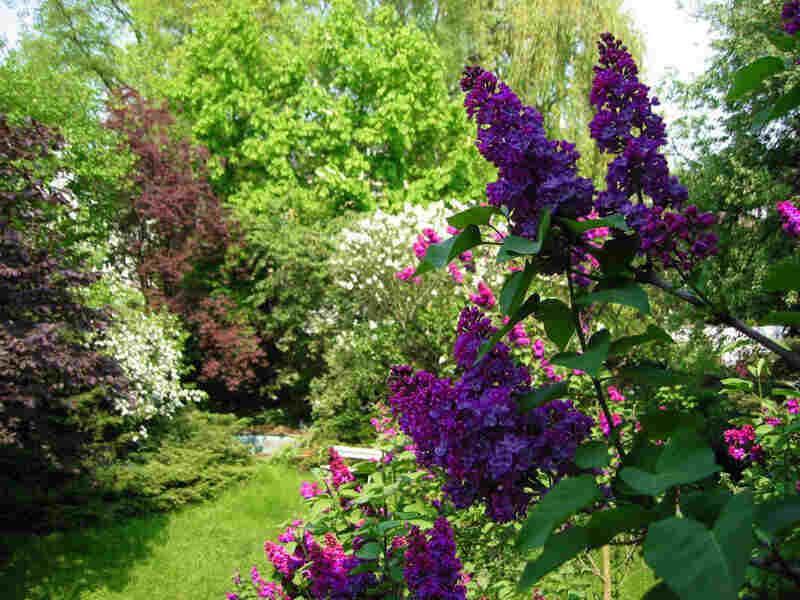
Reaching 8-15 feet tall, lilacs create spectacular privacy screens. You will love their iconic, sweet-smelling flower clusters and heart-shaped leaves set against deep-green foliage. As a bonus, this strong fragrance naturally deters deer.
Because older shrubs often grow bare at the base, plant colorful daylilies around the bottom for a perfectly full and polished landscape.
“For extended color after lilacs fade, we often use companion plants like hydrangeas or rose of Sharon in our ‘mixed border shrub’ designs for continuous bloom,” Day says.
- USDA Hardiness Zone: 3-7
- Color: Purple, lavender, magenta, pink, or white flowers
- Sun tolerance: Full sun
- Drought tolerance: Relatively high once established
- Soil type: Well-drained, neutral to slightly alkaline soil
- Prune: Immediately after flowering
- Water: Once every 10-14 days from spring until blooming ends
- When to plant: Late fall
- Bloom time: Spring to early summer (typically May)
Read more: Fire-resistant Plants for Your Landscape
2. Daphne
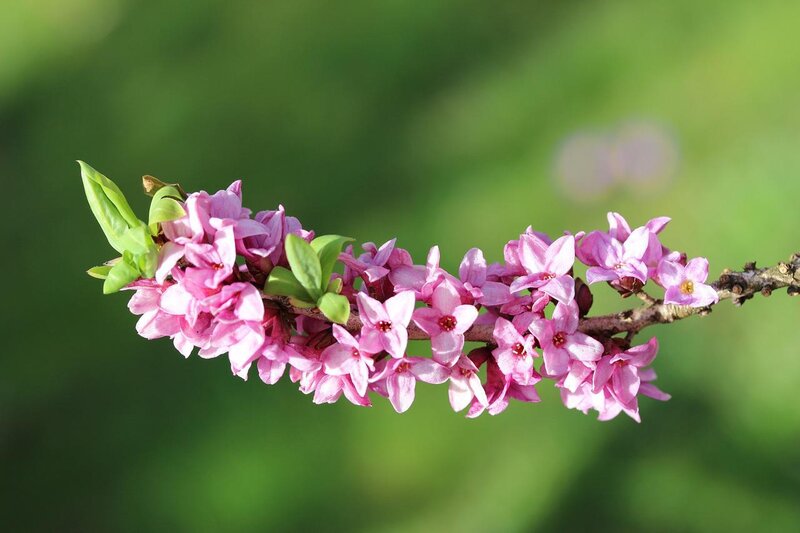
Daphne is a compact shrub — often 2-3 feet tall and 3-5 feet wide — that is perfect for tight borders. It features star-like flowers and a sweet, fruity scent. However, it’s finicky; to prevent root rot, it requires well-drained, neutral-to-alkaline soil, making raised beds ideal.
”For daphne in smaller settings, I’ve seen hostas or ornamental grasses provide excellent textural contrast without overcrowding, fitting well into a ‘shrub garden beds’ approach,” Day says.
- USDA Hardiness Zone: 4-9 (varies by species or cultivar)
- Color: Lavender, pink, or white flowers
- Sun tolerance: Full sun with afternoon shade in warmer climates
- Drought tolerance: High once established
- Soil type: Slightly acidic soil and very well drained
- Prune: Lightly, if needed, after blooming
- Water: Keep evenly moist but never soggy; do not let it sit in wet soil
- When to plant: Spring to early fall
- Bloom time: Winter to early spring
- Note: Daphne plants hate being moved. Pick the perfect spot the first time and leave them there.
*Warning: Daphne berries and leaves are poisonous. Keep this plant away from young children and pets who might try to eat it.
3. Rhododendron or azaleas
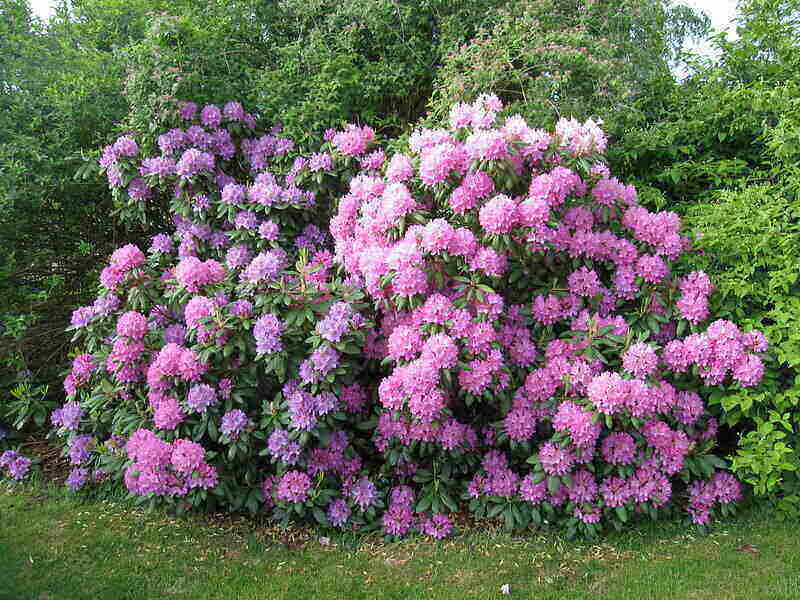
Rhododendrons (which include azaleas) encompass over 1,000 species, ranging from low groundcovers to 20-foot shrubs.
People prize their vibrant, trumpet-shaped flowers and dark-green evergreen foliage. While most lack a scent, some varieties produce a sweet, clove-like fragrance. If you love azaleas and want a companion shrub with similar appeal, consider camellia, daphne, or hydrangea.
Pro tip: Because these shrubs require consistent summer watering and winter frost protection, Day recommends spirea as an easier alternative. “For a beginner who loves azaleas but wants something more forgiving, I steer people toward spirea,” he says, noting it survives harsh weather without the ‘drama’ azaleas do.
- USDA Hardiness Zone: 5-9, depending on variety.
- Color: Shades of pink, purple, crimson, yellow, and white flowers
- Sun tolerance: Partial shade to partial sun
- Drought tolerance: Low to moderate once established
- Soil type: Acidic, well-drained soil rich in organic matter
- Prune: Lightly after flowering, or anytime for dead wood
- Water: Twice weekly until established, then regularly during dry spells
- When to plant: Fall or early spring
- Bloom time: Spring (with some summer/fall reblooming types)
4. Hydrangeas
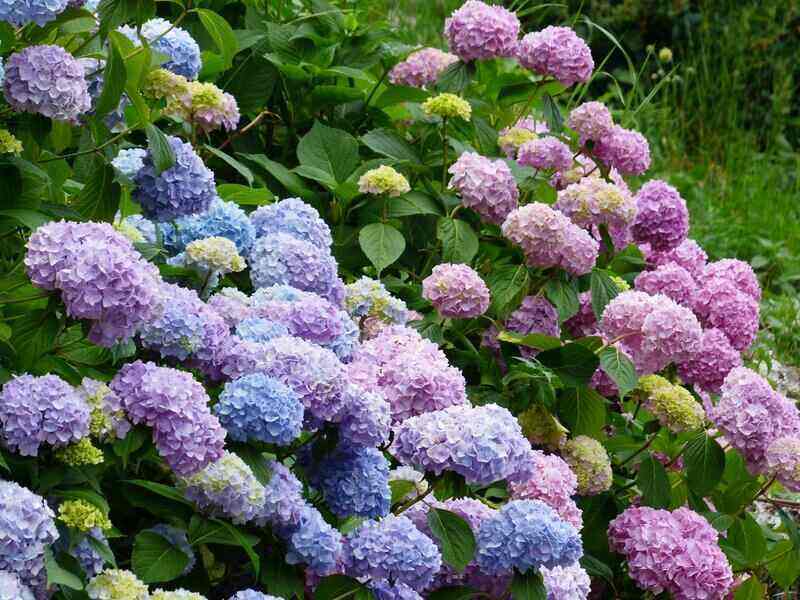
Hydrangeas reward you with massive, globe-like blooms in striking colors. Some varieties can reach up to 15 feet, creating lush, show-stopping hedges. They provide excellent cuttings for floral arrangements. However, these stunning shrubs demand heavy watering — sometimes up to 3 times a week.
Day says that “improper watering during dry spells and incorrect pruning” are common mistakes. You need to know whether your plant blooms on “old wood” (growth from the previous year) or “new wood” (growth from the current season).
Pruning hydrangeas also requires exact timing. Taylor Olberding, owner of Heroes Lawn Care in Omaha, NE, warns against trimming bigleaf varieties in late fall or early spring.
“It often removes the buds set for the next season, leading to fewer — or even no — blooms,” he says.
- USDA Hardiness Zone: 3-9, depending on variety
- Color: Pink, blue, shades of purple, green, and white flowers
- Sun tolerance: Partial to full sun, depending on variety and climate
- Drought tolerance: Poor
- Soil type: Well-drained, slightly acidic to neutral soil
- Prune: Immediately after flowering stops in the summer for old-wood types; late winter or early spring for new-wood types
- Water: About 1-1.5 inches a week, up to 3 times a week
- When to plant: Fall, early spring
- Bloom time: Late spring to summer
5. Spirea
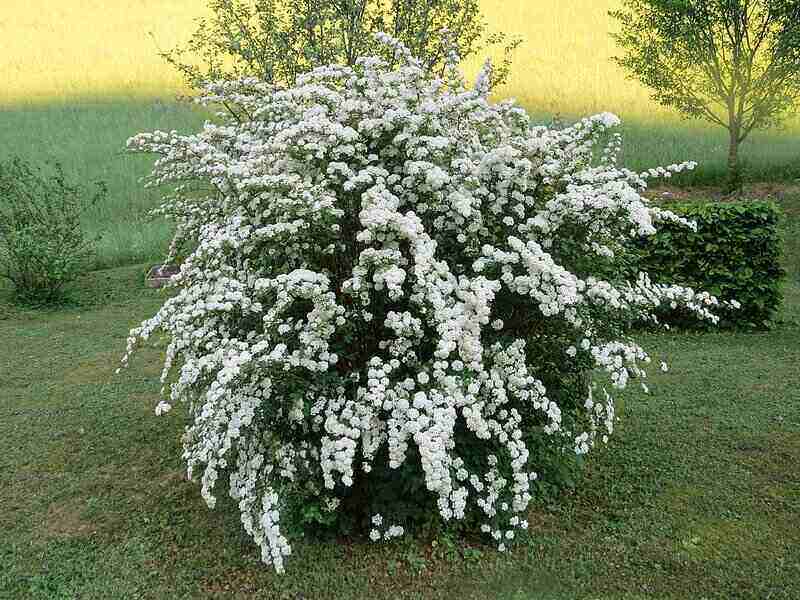
Spirea is a hardy, low-maintenance shrub that delivers prolific, colorful blooms. Ranging from 1.5-8 feet tall, it works perfectly as a low border or a mid-size focal point.
To maximize your garden’s seasonal color, Day suggests pairing it with later-blooming plants.
“Staggering bloom times with a spring spirea into a summer hydrangea is genuinely achievable,” Day says, noting he has seen it work beautifully in Northeast Ohio yards.
- USDA Hardiness Zone: 3-8
- Color: Pink, purple, red, or white flowers with gold, chartreuse, or deep green foliage
- Sun tolerance: Full sun
- Drought tolerance: High
- Soil type: Slightly acidic; well-drained soil
- Prune: After the first flowering for spring-blooming spirea; prune summer-blooming types in late winter or early spring
- Water: Once a week while establishing or during dry spells
- When to plant: Fall or early spring.
- Bloom time: Spring to mid-summer
Read more: What Shrubs and Bushes are Best for Shaping?
6. Caryopteris

Bring a striking pop of blue to your yard with caryopteris. This versatile shrub stands 2-4 feet tall and looks incredible along borders or in patio containers. Even better, its gorgeous, feathery blooms act as an irresistible magnet for butterflies and beneficial bees.
- USDA Hardiness Zone: 5-9 (in Zones 5-6, top growth may die back in winter)
- Color: Deep blue flowers
- Sun tolerance: Full sun
- Drought tolerance: High
- Soil type: Well-drained, neutral pH
- Prune: Early spring
- Water: Only if the ground is dry; rarely needs water once established
- When to plant: Fall or spring
- Bloom time: Late summer to early fall
7. Camellia
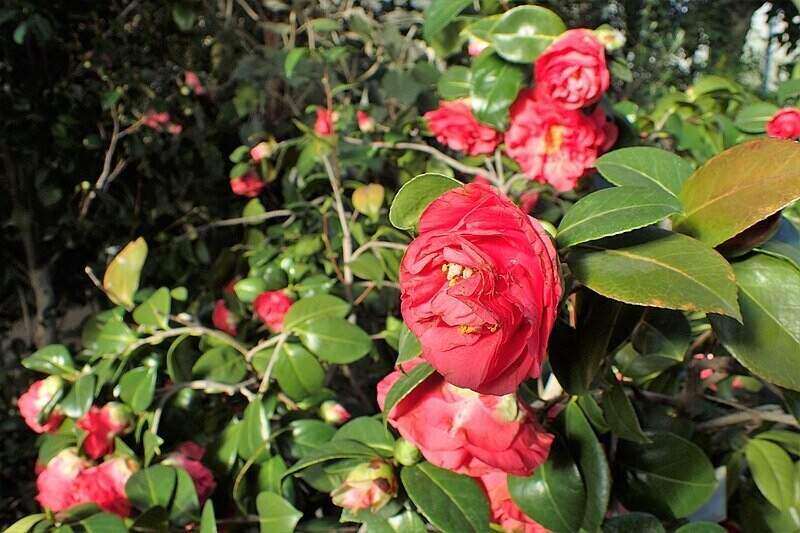
Camellias offer the romantic, lush look of shrub roses without the high maintenance. They can survive in temperatures as low as 10°F and as high as 90°F, and they can get big — up to 25 feet, though most stay between 6-12 feet.
Best of all, they bloom in winter when most other shrubs are dormant.
- USDA Hardiness Zone: 7-10
- Color: Shades of pink and red, white flowers
- Sun tolerance: Full sun to part shade
- Drought tolerance: Mostly; needs ample water during the first year
- Soil type: Slightly acidic soil
- Prune: After they flower each year
- Water: Deeply, twice a week
- When to plant: Fall or early spring
- Bloom time: Late fall through spring
8. Forsythia

Bring an intense pop of sunshine to your yard with fast-growing forsythia. While its bloom time is brief, this fast-growing shrub can reach 1-20 feet tall and 3-10 feet wide, providing a striking seasonal focal point.
Because their rapid growth can sometimes become unruly, Day recommends careful styling.
“To use forsythia without it looking messy, strategic placement within a ‘mixed border shrubs’ design and careful pruning immediately after flowering helps maintain its form,” he says.
“We often pair them with evergreen shrubs like junipers for year-round structure, and summer-blooming perennials to provide color after the forsythia’s initial display.“
- USDA Hardiness Zone: 5-9
- Color: Yellow flowers
- Sun tolerance: Full sun to partial shade
- Drought tolerance: High
- Soil type: Neutral to slightly acidic
- Prune: After the blooms fade
- Water: Once a week
- When to plant: Late fall or early spring
- Bloom time: Early spring
FAQs
Camellia and rhododendron are up there, due to their hardiness and flexibility across many zones. Others that are reliably easy once established include lilac and spirea — all drought-tolerant and cold-hardy down to Zone 3.
Hydrangeas bloom from mid-spring through early fall, nearly three seasons.
Daphne, forsythia, and lilac are known for their deer resistance. Caryopteris is also generally deer-resistant due to its aromatic foliage. If deer are a concern, avoid hydrangeas — deer love their flowers.
Hire a local gardening pro
Getting the right shrubs in the ground takes more than just a nursery trip. Before you buy, evaluate your soil pH, bloom timing, and hardiness zone. Most importantly, always call 811 before digging to safely locate underground utilities.
If you’d rather leave the planning and planting to someone who does this every day, Lawn Love’s local gardening pros make it simple — get an instant quote, pick a time, and a local pro will handle the rest.
Main Image: Colorful hydrangea shrubs brighten a lush garden border. Image Credit: aquaphoto / Adobe Stock
Related Posts:


