| Key Takeaways: |
|---|
| ● Assume mushrooms are toxic: Dangerous mushrooms can look like harmless ones. ● Call for help immediately: Contact your vet or a pet poison helpline, even if your dog seems fine. ● Check your yard daily: Remove mushrooms before your dog goes outside, especially after rain. |
Are mushrooms poisonous to dogs? Some lawn mushrooms are, and most people can’t tell which ones by looking. If your dog eats a wild mushroom, assume it’s toxic.
Call your veterinarian or an animal poison control helpline immediately, even if your dog seems fine. Signs of poisoning don’t always show up right away.
To make your lawn less inviting to mushrooms, hire a local lawn care professional to reduce the moisture and shade that help them grow.
Are mushrooms dangerous for dogs?
Of the more than 10,000 mushroom species in North America, about 100 are toxic, according to the veterinary publication dvm360. These can cause severe stomach upset, difficulty breathing, seizures, liver or kidney failure, or even death.
If your dog eats a mushroom, assume it’s toxic and call your veterinarian or a 24-hour helpline right away.
Can you identify toxic mushrooms by looking at them?
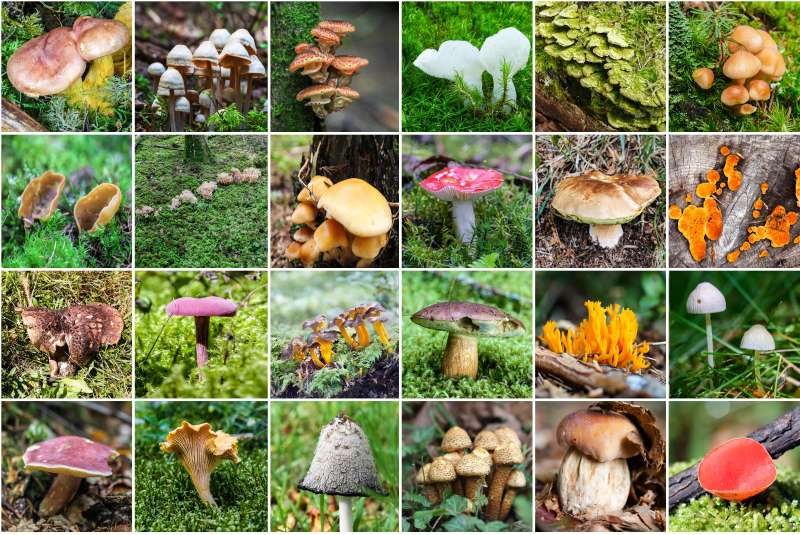
Don’t rely on appearance to decide whether a yard mushroom is safe for your dog. A wrong guess could be fatal.
“There is so much diversity in what poisonous and edible mushrooms look like, most people cannot identify them well,” says Dr. Karyn Bischoff, DVM, a diagnostic toxicologist at UC Davis’s California Animal Health and Food Safety Laboratory.
“Lookalike mushrooms are a very common cause of mushroom poisonings in the US… If you have questions about a mushroom, it’s extremely important to contact a mushroom expert from the area where the mushroom grows, either through a university extension or a mycology club,” she says.
Can photos help my vet identify toxic mushrooms?
“Photos are very helpful, but if you’re sure of what the dog ate, samples are better,” says Anne Pringle, Ph.D., director of the Center for Botany at the University of Wisconsin–Madison.
The key is knowing which mushroom your dog ate. A mushroom growing next to it isn’t necessarily the same species. Bischoff calls these “…‘innocent bystander’ mushrooms that just happened to be in the area.”
Lawn mushrooms that worry vets
The riskiest mushrooms vary by location and season. Below are some that concern vets, but this isn’t an exhaustive list.
Life-threatening: Amanita, Galerina, Lepiota
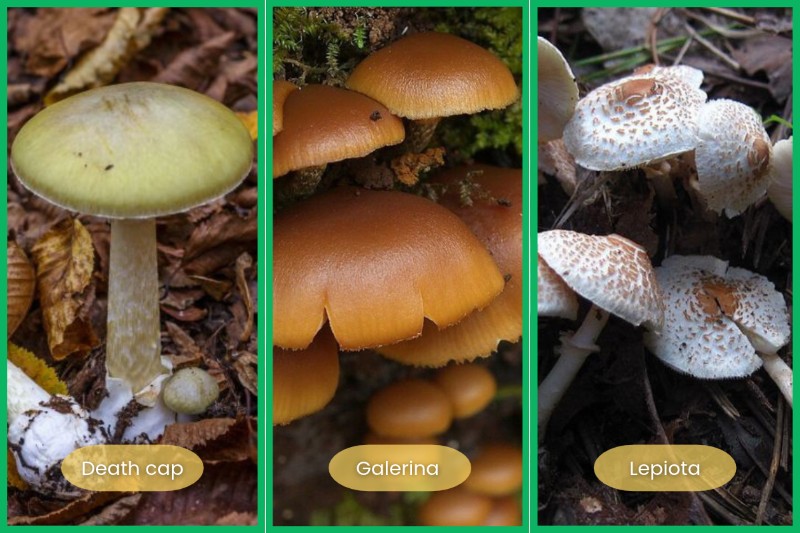
According to Pet Poison Helpline®, most confirmed fatal mushroom poisonings in pets involve three groups of mushrooms:
- Amanita: Often grows near trees, but Bischoff notes tree roots can extend under grassy yards.
- Galerina: Commonly called “deadly galerinas,” these mushrooms prefer rotting wood.
- Lepiota: Includes the “deadly dapperling,” which can grow on lawns.
“Some of the Amanita species can be white mushrooms, like the aptly named death caps and destroying angels,” Bischoff says.
“These can cause digestive upset early, but the dog will seem to recover for a while but later die of liver failure. It’s an insidious type of poisoning, and is often fatal in dogs (and people).”
Less life-threatening: Fly agaric, green-spored parasol
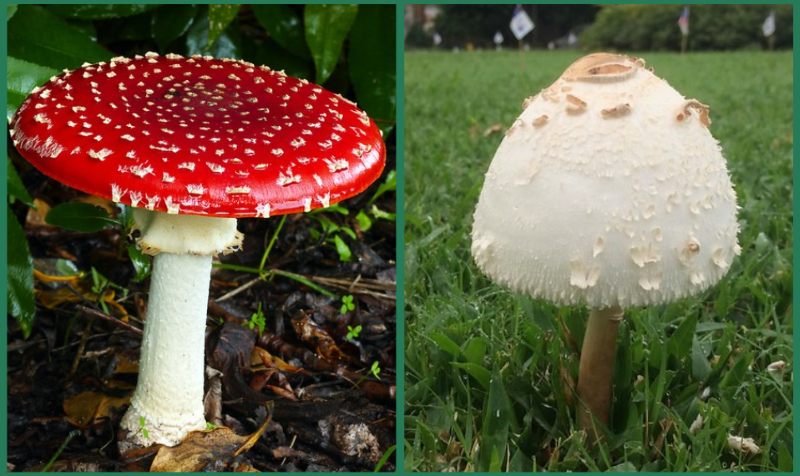
The MSD Veterinary Manual classifies fly agaric and the green-spored parasol as not life-threatening, though both can make dogs sick and fly agarics can still be lethal.
Fly agarics, the yellow-to-red mushrooms with white dots often shown in pictures, are Amanitas that affect the nervous system.
“These are generally not lethal to humans, but they can be lethal to dogs,” Bischoff says.
Common in the Southeast, the green-spored parasol (Chlorophyllum molybdites) grows in full or partial fairy rings in lawns. It’s the most common cause of mushroom poisoning in the United States, according to the UF/IFAS Extension.
It can cause stomach upset in dogs, though “most recover just fine after a day,” says Matthew Smith, Ph.D., a University of Florida plant pathology professor who identifies unknown fungi for the UF veterinary school and Florida’s Poison Control Centers.
If your lawn mushrooms grow in a circle, see our guide on Fairy Rings and How to Get Rid of Them.
Signs your dog may have mushroom poisoning
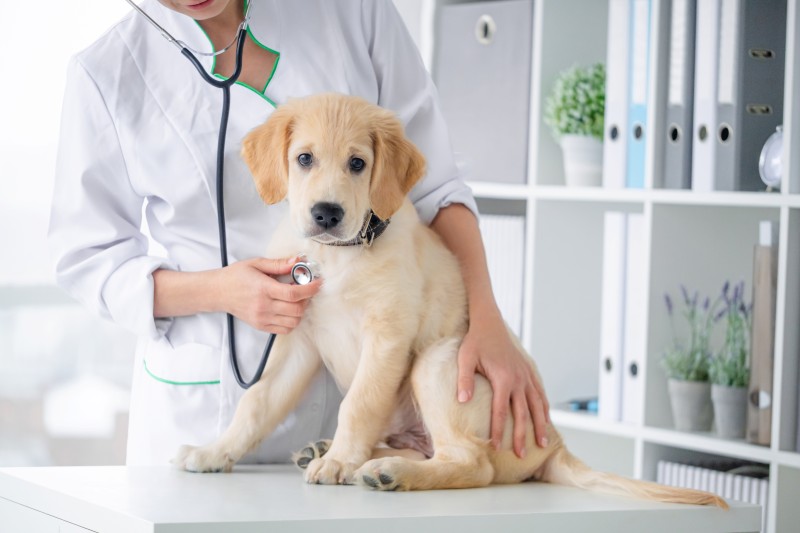
According to Pet Poison Helpline®, signs of mushroom poisoning depend on the toxin and the body part it affects. Some toxins cause signs within 15 to 30 minutes, while others can take up to 24 hours.
- Digestive system: Vomiting, diarrhea, dehydration, stomach pain
- Nervous system: Poor muscle control, tremors, seizures, trouble seeing, aggression, disorientation
- Liver: Vomiting, black-tarry stools
- Kidneys: Loss of appetite, vomiting, excessive thirst or urination
According to PetMD, other symptoms may include drooling, weakness or lethargy, and yellow gums or eyes. PetMD adds that liver or kidney failure may take 2 to 3 days to appear. The MSD Veterinary Manual says kidney failure from some mushrooms may take 3 to 20 days.
| Mushroom | Body part affected | First signs appear |
| Green-spored parasol | Stomach and gut | 15 minutes to 3 hours |
| Fly agaric | Brain and nerves | 30 minutes to 2 hours |
| Death cap, destroying angel | Primarily liver, kidneys secondarily | 6 to 24 hours |
| Deadly galerina, deadly dapperling | Primarily liver | 6 to 24 hours |
Source: MSD Veterinary Manual
What to do if your dog eats a mushroom
Step 1: Stop further exposure
If your dog tries to eat a mushroom, stop your dog and make it drop the mushroom. If your dog has already eaten one, move it away from the area. If it’s safe, remove any mushroom pieces from your dog’s mouth.
Step 2: Call your vet or a helpline
“I consider any wild mushroom ingestion to be a potential emergency,” Bischoff says. Call your vet, an emergency vet, or one of these 24-hour helplines right away:
- ASPCA Animal Poison Control Center: (888) 426-4435
- Pet Poison Helpline®: (855) 764-7661
Have this information ready when you call:
- Your dog’s weight and age (smaller dogs are more likely to get seriously ill from even a small amount of toxin, according to Vets Now)
- When it ate the mushroom
- Roughly how much it ate
- Any symptoms
- Whether you have a photo or sample
Step 3: Follow professional instructions
Follow the guidance of your vet or helpline. Don’t make your dog vomit unless they tell you to. Inducing vomiting without guidance can do more harm than good.
Step 4: Photograph and save the mushroom
Identifying the mushroom helps your vet decide on treatment. Only photograph and collect the mushroom your dog ate, not others growing nearby.
- Take photos: Photograph the mushroom from many angles, including the top, bottom, and sides.
- Save pieces: Keep any pieces from your dog’s mouth or vomit, even if they’re chewed.
- Store the sample: Smith recommends you “place the mushrooms in a Tupperware and refrigerate them.” For safety, wear gloves when handling it and label the container “Do not eat.”
Avoid plastic bags. Smith says mushrooms break down quickly in them, and samples need to be fresh to be useful for analysis.
Step 5: Take your dog to the vet clinic
If your vet or helpline recommends treatment, take your dog to the clinic right away and bring a sample.
Don’t wait for symptoms to appear. Bischoff says some mushrooms cause signs within 15 minutes, while liver-damaging mushrooms can take hours.
What to expect at the vet:
There’s no proven antidote for mushroom poisoning in pets, so treatment focuses on removing the toxin and supporting recovery.
Depending on the mushroom and how long ago your dog ate it, your vet may induce vomiting, give activated charcoal to limit toxin absorption, or give IV fluids for dehydration.
How to reduce mushroom risks in your yard
Mushrooms thrive in moist conditions, so they often sprout after rain. They’re most common from spring to fall but can appear year-round in mild climates, sometimes overnight.
“The only way to keep a dog from eating wild mushrooms is supervision,” Bischoff says.
Supervise your dog outdoors
“Dogs eat first and ask questions later,” Bischoff says. Stay with your dog outside, and stop it if it tries to eat a mushroom.
According to the American Kennel Club, the “leave it” cue teaches a dog to ignore items on the ground and look to you for permission instead of grabbing them.
Remove mushrooms promptly
Check the yard daily, especially after rain, and remove any mushrooms before letting your dog out. Wear gloves, bag the mushrooms, and toss them in a trash can your dog can’t reach.
Prevent access to mushrooms
Consider installing a fence or outdoor playpen to keep your dog out of areas where mushrooms tend to grow.
Mushrooms grow outside your yard, too, so keep your dog leashed and supervised at parks, on trails, and in wooded areas.
Reduce mushroom growth
To help keep mushrooms from coming back, reduce excess moisture and shade by aerating the soil and trimming overhanging branches.
For more methods, see our guides to How to Get Rid of Mushrooms in Your Yard and What Causes Mushrooms in Your Yard.
FAQs
Some can be. If your cat eats a mushroom, call your vet or a pet poison helpline right away.
If your child eats a mushroom, call Poison Control at 1-800-222-1222 right away. Call 911 if your child collapses, has a seizure, has trouble breathing, or can’t be awakened.
Plain store-bought mushrooms are generally considered safe for dogs. Don’t share mushrooms cooked with oils, seasonings, or ingredients that may be toxic to dogs, such as garlic, onion, and chives.
Pet Poison Helpline® charges a one-time $99 fee per incident, which includes follow-ups with the owner or vet. The ASPCA Animal Poison Control Center may also charge a fee.
Probably neither. “Mowing has no credible impact,” Smith says.
“There are no data (that I know of) to say whether mowing slows mushroom development or simply aids their spread,” Pringle says. “I speculate it doesn’t matter much.”
Some toxic mushrooms, including death caps and fly agarics, have a fishy odor that may attract dogs, according to the North American Mycological Association.
Hire a local lawn care pro
Lawn mushrooms usually point to excess moisture and shade, not disease. If you’d rather play fetch with your pup than change your lawn’s growing conditions, find a local lawn care professional to tend the yard and help make it safer for you and your pets.
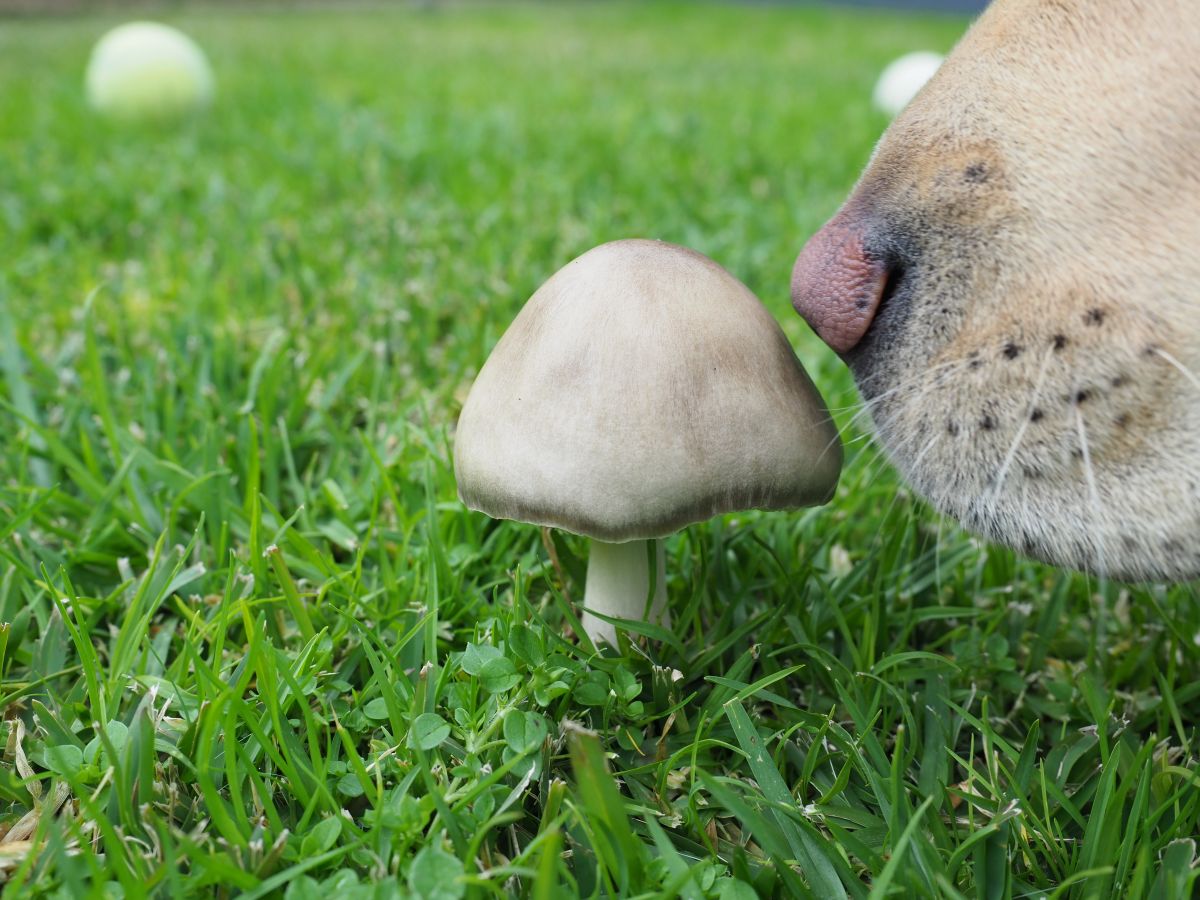
Main Image: A curious dog sniffs a small mushroom growing in a grassy lawn. Photo Credit: Derrick / Adobe Stock
Related Posts: