If your soil is compacted, grass is growing slow, or there are brown patches, it’s time to aerate your lawn.
Aeration involves poking multiple holes in compacted soil to provide your grass with oxygen, water, and other nutrients. It’s done with a core or spike aerator. In this article, we’ll look at why, how, and when to aerate your lawn.
How does lawn aeration work?
Over time, your soil can become compacted from heavy foot traffic, frequent mowing, or even overwatering. This compaction cuts off access to nutrients and prevents strong, lush grass growth.
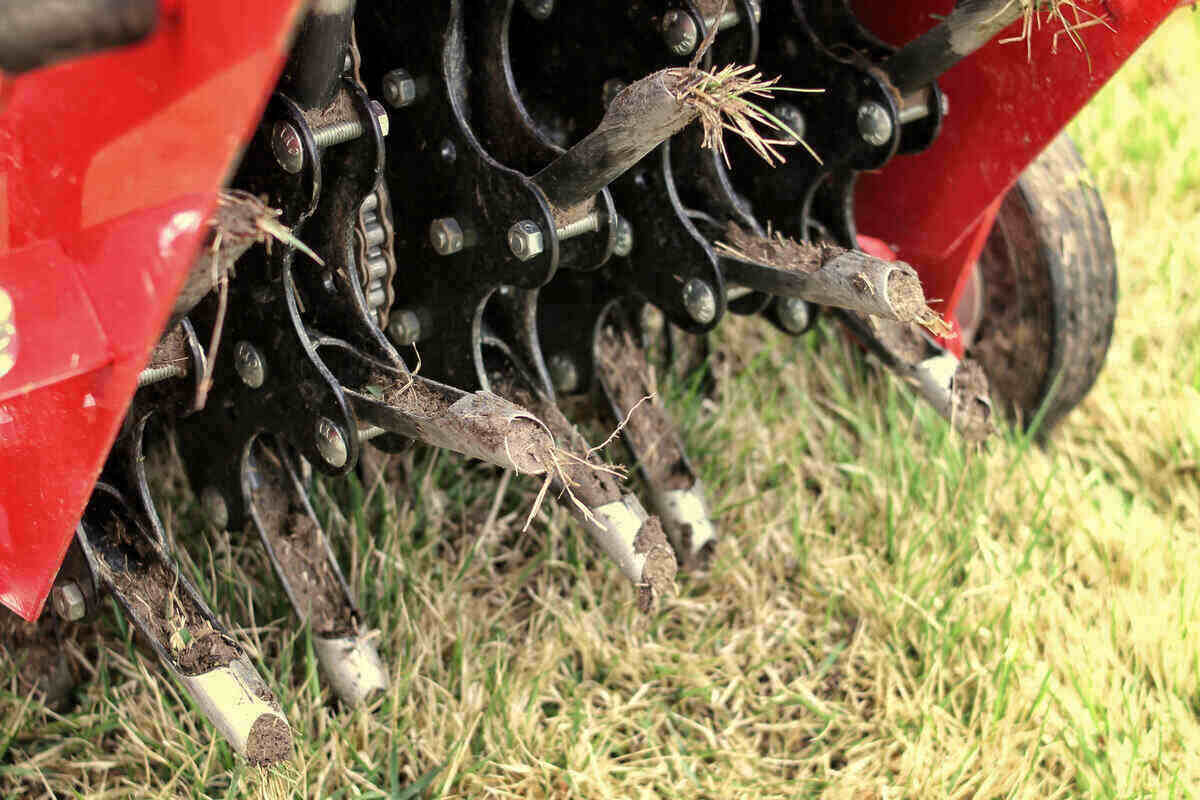
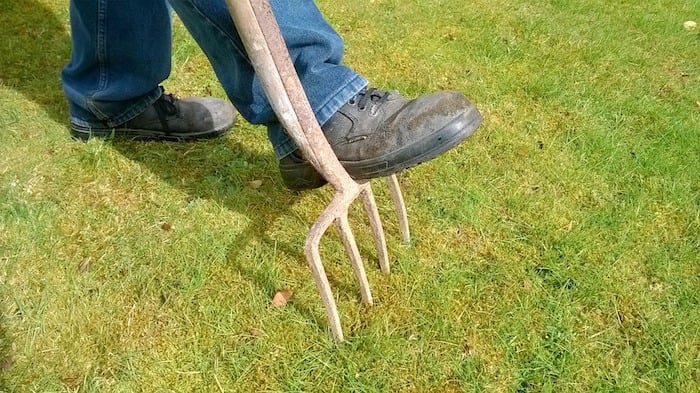
Aeration means perforating your lawn’s surface with multiple tiny holes to relieve soil compaction and let oxygen, water, and nutrients seep in. You can aerate your lawn with a core or spike aerator.
Why your lawn needs aeration

Aeration gives struggling roots the nutrients they need to grow long and strong. Here’s why you should aerate your lawn:
- Improves grass health: More nutrients lead to strong roots and a lush, green lawn. It also helps your grass recover fast from foot traffic and mowing.
- Controls weeds: A dense lawn makes it harder for weeds to germinate.
- Better fertilizer utilization: The holes in the soil let fertilizer reach the roots faster.
- Reduces thatch buildup: Stimulates microbial activity that helps break down thatch.
- Resists drought better: Deeper roots help your lawn withstand drought and heat better.
For more information, check out our article on the benefits of lawn aeration.
How to know if your lawn needs aeration
Dr. Grady Miller, professor and extension turfgrass specialist at North Carolina State University, says, “Take a medium to large Phillips head screwdriver and slide it into the ground. If you can’t sink it to the handle relatively easily, the soil is compacted.”
Another method is to dig a three-inch sample of your yard with a shovel. If the thatch is more than half an inch thick, it can hinder growth, so you should aerate.
Thatch is a layer of undigested stems, roots, leaves, and organic plant material that accumulates between the grass and soil. A thin layer of thatch is beneficial for your lawn, but if it’s more than half an inch thick, it can prevent water and nutrients from reaching the roots.
Check out our articles on what thatch is and how to test for compacted soil for more information.
Types of aeration

The right tool for aeration depends on the size of your lawn and the level of soil compaction.
Core aeration: It uses hollow tines to remove small plugs of soil, allowing water and nutrients to enter through the holes. Core aerators come in both manual and mechanical versions and are ideal for heavily compacted soil. Use a mechanical core aerator for large lawns.
Spike aeration: This tool simply pokes into the soil without removing any plugs. It works for light compaction, but I recommend avoiding it on heavily compacted soil, as it can make things worse by pushing the soil down and sideways.
Liquid conditioner: These products are sprayed on your lawn and are marketed to loosen compacted soil and break down thatch. However, they aren’t that effective. “In most cases, liquid aeration doesn’t work. The research has never been consistently good with these products,” says Dr. Miller.
For more, see these guides:
FAQs
You need to aerate your lawn every year if you have clay soil. However, sandy and loamy soils compact less frequently, so you only need to aerate them once every three years.
The average cost of lawn aeration ranges from $104 to $195, depending on the size of your lawn and location. Check out our guide to the cost of lawn aeration for more information.
Dr. Miller says, “If you overseed right after aeration, you’ll notice new grass sprouting from the aeration holes within a week or two, depending on the seed.
“For the soil itself, the benefits aren’t always as obvious to the eye. Aeration works like improving your diet. You may not see changes overnight, but over time, stronger roots make your lawn healthier and better able to handle stress.”
Aerate for a healthy lawn
Aeration helps a lawn stay lush, green, and healthy, but it can be a tiring and time-consuming job. If you’re not confident enough to pull it off or just don’t want to bother, leave it to us. Lawn Love aeration specialists do the job right, and at a price you can love.
Main Image Credit: Surfin_Rox | Adobe Stock
Related Posts: