Winter might seem like downtime for your lawn, but the choices you make now determine whether you’ll have lush, healthy grass come spring or a yard full of dead patches, weeds, and disease.
The good news? Most winter lawn damage is preventable. Simple steps like timing your last mow correctly, removing fallen leaves, and knowing when to stop watering can save you from expensive lawn repairs and frustrating setbacks next season.
If you’re unsure about tackling these tasks yourself, a lawn care professional can help. Otherwise, here’s how to avoid the 11 most common winter lawn care mistakes and protect your grass until spring arrives.
- Mistake 1: Underwatering or overwatering
- Mistake 2: Not winterizing your irrigation system
- Mistake 3: Walking on frozen or snow-covered grass
- Mistake 4: Ignoring thatch and moss
- Mistake 5: Not removing leaves and debris
- Mistake 6: Mis-timing the last mow
- Mistake 7: Mowing in the same pattern repeatedly
- Mistake 8: Using winter fertilizer incorrectly
- Mistake 9: Using weed killers when it’s freezing
- Mistake 10: Failing to prevent snow mold
- Mistake 11: Using salt or chemical deicers carelessly
- FAQ
- Spring is coming. Is your lawn ready?
Mistake 1: Underwatering or overwatering
The Problem: If you quit watering too early, your grass may go dormant prematurely, become thin, or suffer root damage. Once rain comes, it will invite weeds and moss to your lawn.
Keenan L. Amundsen, turfgrass genetics professor at the University of Nebraska-Lincoln, warns that winter winds and snow cover can rob grass of moisture and kill it, a phenomenon known as crown desiccation. Watering grass until the weather turns bitter helps turf store water for those long, cold winter months.
Overwatering, on the other hand, leads to fungal disease and root rot.
The Solution: Continue watering in the fall, but stop as temperatures consistently fall below 40 degrees Fahrenheit and the ground freezes (or until you winterize your sprinklers, as we’ll go over next).
Read more: When to Stop Watering Your Grass
Mistake 2: Not winterizing your irrigation system

The Problem: Forgetting to winterize your irrigation system can set you up for all kinds of issues, including burst pipes.
The Solution: Winterize your sprinklers when temperatures consistently drop below freezing and before the first hard freeze. The steps are:
- Shut off the water
- Turn off the watering programs
- Drain the water
- Insulate above-ground components
- Turn off the controller
Read more: How to Winterize Your Sprinkler System
Here are the remaining sections reworked in the same style:
Mistake 3: Walking on frozen or snow-covered grass
The Problem: When turf is frozen, ice crystals form inside the grass blades. Professor Amundsen cautions that stepping on frozen grass can rupture these membranes and injure the plant, leading to gray, black, or dead patches come spring.
The Solution: Limit foot traffic on your lawn when growth slows in late fall and throughout winter. Create designated pathways if you need to cross your yard regularly.
More tips: How to Protect Your Lawn From Winter Damage
Mistake 4: Ignoring thatch and moss

The Problem: Thatch thicker than ½ inch blocks sunlight, water, nutrients, and oxygen from reaching grass roots, creating a weak lawn vulnerable to disease. Professor Amundsen warns against aggressive practices like dethatching too late in fall, as they stress the grass and expose vulnerable roots. Neglected, patchy lawns become prime territory for moss takeover.
The Solution:
- Dethatch in early fall while grass is actively growing, no later than 3-4 weeks before the first frost
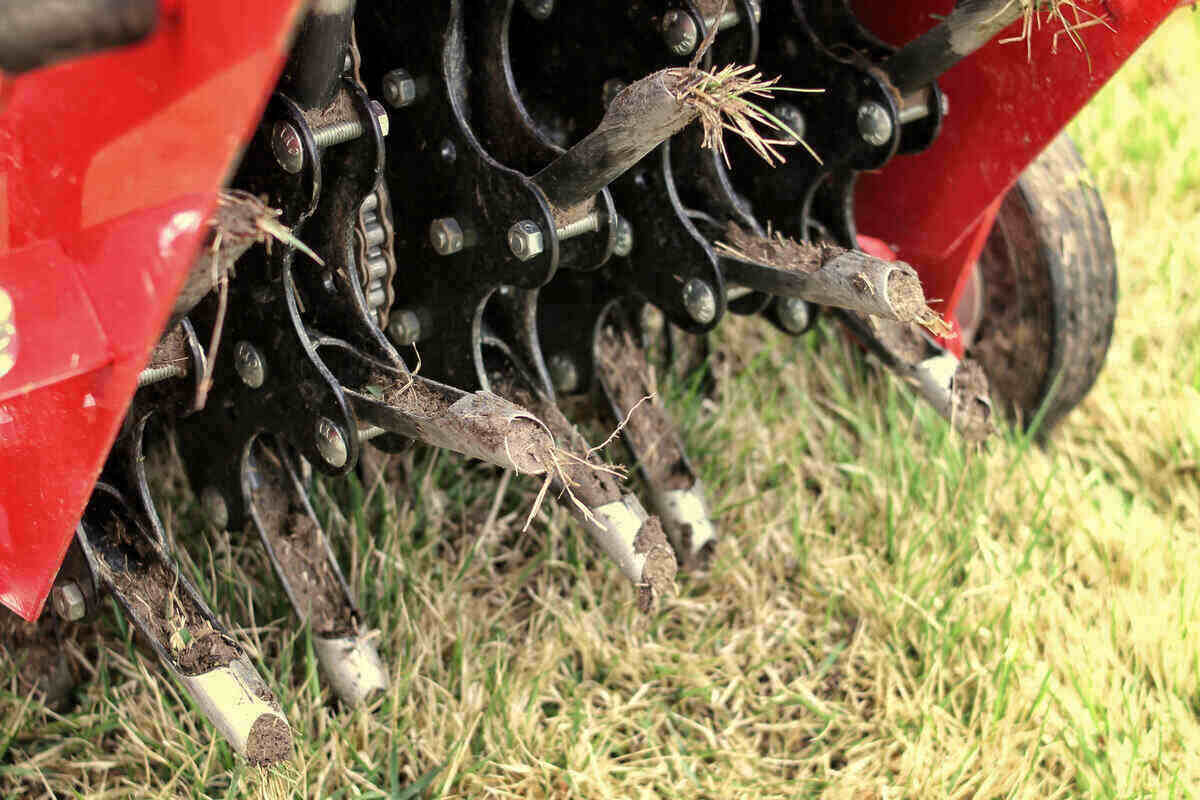
- Aerate to relieve soil compaction and reduce thatch
- Test and amend soil pH (moss prefers acidic conditions)
- Reduce shade where possible
Read more: How to Get Rid of Moss in Your Lawn
Mistake 5: Not removing leaves and debris

The Problem: “Leaves damage the lawn primarily by light exclusion, preventing photosynthetic activity and grass growth,” cautions Professor Al Turgeon of Penn State College of Agricultural Sciences. Leaves also hold moisture, causing fungal and other diseases.
The Solution: Blow, sweep, or rake leaves regularly. Shred them with a mulching mower and let them decompose on your lawn, or use them as compost or mulch.
Read more: The Best Way to Remove Leaves From Your Yard
Mistake 6: Mis-timing the last mow
The Problem: Grass that’s too tall creates a welcoming environment for fungi and pests. But mowing dormant grass stresses it unnecessarily, and mowing wet grass tears rather than cuts it, making it susceptible to disease. Scalping your lawn (cutting too short) makes it vulnerable to disease, pests, and weeds.
The Solution:
- Keep mowing until your grass stops growing (timing depends on grass type and region)
- Never mow more than one-third of the grass blade at once
- For the final mow, cut ½ inch shorter than the typical recommended height for your grass type
Read more: The Last Mow of the Season: How Short to Cut Your Grass
Mistake 7: Mowing in the same pattern repeatedly
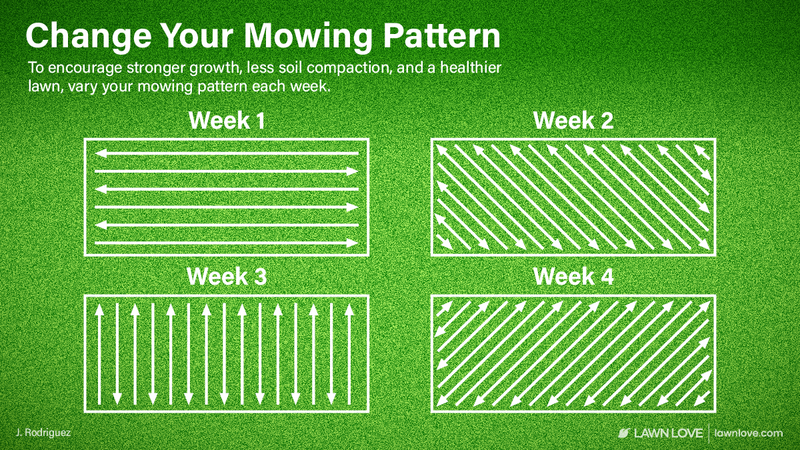
The Problem: Professor Amundsen cautions that repeatedly mowing in the same direction causes wear and compaction from wheel tracks, making grass weaker and more susceptible to winter injury. Unchanging patterns can also cause grass to grow in a bent direction and create poor drainage that invites problems like snow mold.
The Solution: Alternate your mowing pattern by 45 to 90 degrees each time you mow, especially before winter.
Read more: Winter Lawn Striping: Why Your Mowing Pattern Matters Before Dormancy
Mistake 8: Using winter fertilizer incorrectly
The Problem: Professor Amundsen stresses the importance of fertilizing in late summer to early fall when grass can use the nutrients. “Fertilizing too late—after active growth has slowed—results in poor uptake and potential nutrient loss,” he says. Late fertilization may also cause runoff. Meanwhile, improper nitrogen levels invite fungal infection.
The Solution: Apply winter fertilizer a few weeks before the first frost. Test your soil and amend accordingly. If you miss the window, wait until spring when temperatures are consistently above 55 degrees Fahrenheit.
Read more:
Mistake 9: Using weed killers when it’s freezing
The Problem: Weeds aren’t actively growing during cold winter months, so they won’t properly absorb herbicide. You’ll waste time and money while potentially damaging your grass.
The Solution: Remove weeds manually or with herbicide in fall or spring when they’re actively growing. For pre-emergent herbicide, apply in fall when soil temperatures drop below 55 degrees Fahrenheit—but don’t wait too long, or weeds may already be germinating.
Mistake 10: Failing to prevent snow mold

The Problem: Snow mold is a fungal disease that creates matted, circular patches of discolored grass, often hidden under snow. “Gray snow mold requires prolonged snow cover to develop and primarily damages leaf blades,” warns Professor Amundsen. “Pink snow mold does not require snow cover and is considered more aggressive… [it] can damage the crowns, killing turf.”
The Solution:
- Overseed with snow mold-resistant grass varieties
- Apply preventative fungicide in fall for pink snow mold
- Remove snowdrifts that pile up on your lawn
- Avoid compacting snow with skis, snowmobiles, or foot traffic
- Install snow fences if needed to prevent snow accumulation
- Follow prevention practices: dethatch, remove leaves, time mowing correctly, alternate mowing patterns, and fertilize appropriately
Read more:
Mistake 11: Using salt or chemical deicers carelessly
The Problem: Salt and deicers applied near turf can damage or kill grass and limit water absorption in soil. The damage often doesn’t appear until spring.
The Solution: Avoid using salt and deicers near grass whenever possible. If you must use them, apply sparingly and as far from turf as practical. Consider sowing salt-tolerant fine fescue grasses in vulnerable areas, or install artificial turf in high-traffic zones where deicers are necessary.
Read more:
FAQ
You shouldn’t overseed too late in the season unless you dormant seed or frost seed.
No, leave aeration until spring or fall. During winter, grass is weak and can’t recover from the stress of aeration. The exception is aerating young turf or before planting.
You should check your lawn every two to three weeks. Remove debris, ensure there are no compacted areas, and look out for pests. You could also notice lawn diseases like snow mold early.
Spring is coming. Is your lawn ready?
Lawn care can be tricky, and it’s easy to overlook a step that makes all the difference. Sometimes, you need pro skills to get it right. LawnLove’s lawn care pros are ready to help with all aspects of fall lawn care and winterizing; from leaf removal, to mowing, aeration, and fertilization.
Main Image: Close-up of green grass covered in patches of snow and ice. Photo Credit: Zhanna Prokopeva / Adobe Stock
Related Posts: