You can have a great party without ruining your lawn. The key is preparation: Strengthen your grass 3 to 4 weeks before the party, create walkways that protect the lawn, and then tackle soil compaction and overseed damaged spots afterward.
These proven steps let you be the host with the most while keeping your lawn healthy and happy.
Prep your lawn 3-4 weeks before the party
You don’t have to choose between throwing a great party and keeping your lawn alive. With good planning and a little prep, your grass will endure a busy afternoon without showing significant signs of damage.
The secret to party-ready grass starts 3 to 4 weeks before your event.
- Test your soil to see what it needs, then apply a balanced fertilizer that supplies the right blend of nutrients.
- Mow 1 to 3 days before the event, keeping it slightly taller than normal. The extra height cushions and protects the growing center of each plant.
- Water only lightly in the week leading up to the event, as dry grass and soil can handle people walking on it better. Wet soil gets compacted more easily, can damage your grass, and ruin your guests’ shoes.
Related reading:
Plan your event space to minimize impact on grass

Create a layout that prevents crowded areas and protects sensitive grass from foot traffic.
Place food and drink stations strategically on hardscape surfaces like patios or decks, if possible. If you must use the grass for stations, allow 10 square feet per person for cocktail parties and 4 1/2 square feet per dancer. On average, expect one-third to half of your guests to dance at one time.
Use rope lights, ribbons on stakes, or even plants or outdoor furniture to mark walkways. People naturally follow lit paths at night, and these subtle guides help direct guests where you want them to go.
Create temporary paths
Smart planning helps protect your lawn.
Make pathways that are 4-6 feet wide to control where people walk and prevent damage across your lawn. Just as store aisles guide shoppers, guests will naturally follow your paths. Here are some options:
- Snap-together floor tiles: These work great for dance floors and areas where people gather. They cost $3-8 per square foot, but you can use them again and again if you throw parties regularly.
- Plywood sheets: For heavy items like tents or food stations, ¾-inch thick plywood works best to spread the weight around. Make sure the plywood is bigger than whatever you’re putting on it to distribute the weight well.
- Special lawn mats: These are made to let air and water through to your grass while still protecting it. They’re usually made from heavy-duty plastic with holes or a mesh design that keeps the weight off your grass but doesn’t block what your lawn needs to stay healthy.
- Temporary walkways: For paths between different areas, scatter some wood chips or place stepping stones. These spread out the weight and keep people from walking directly on the grass.
React, but don’t overreact, to party-time problems
You don’t want to make guests uncomfortable by obsessing about your grass during an event, so don’t. But if you see areas looking flat or spongy from too much foot traffic, move activities to a different spot.
For longer events, shift chairs every few hours and change where games or dancing happen. When moving things around, simply tell guests you’re giving them a “new view” rather than explaining it’s to protect your lawn.
Pamper your grass after
This is vital: What you do in the first 48 hours after a party will determine if your grass will recover well or suffer for months.
Start lawn recovery asap
Clean up your yard within 24 hours after the party. Remove all coverings, decorations, and equipment right away. Your grass needs light and air to recover. Once you remove everything, you’ll see your grass start to improve, even if it looks a bit flat.
Clean up after your party. Don’t forget smaller items like food scraps, decorations, and other stuff that don’t belong on your lawn. Gently rake any flat grass. It often looks worse than it really is and will bounce back once you lift it. Hose down areas where drinks or food spilled, even if you cleaned them during the party. This removes sugars and salts that can harm your grass.
Fix compacted soil
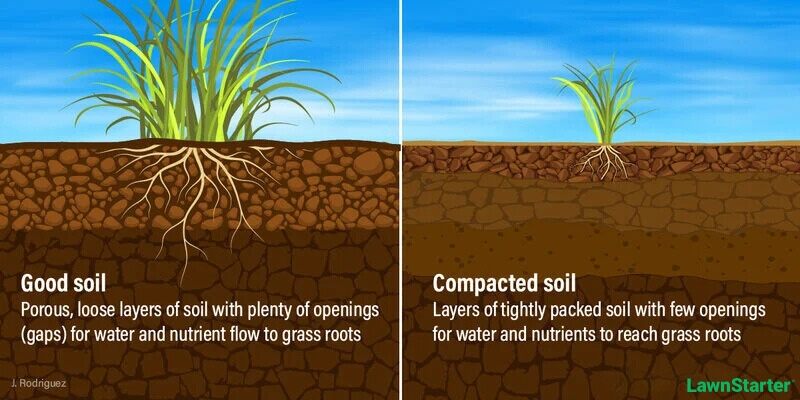
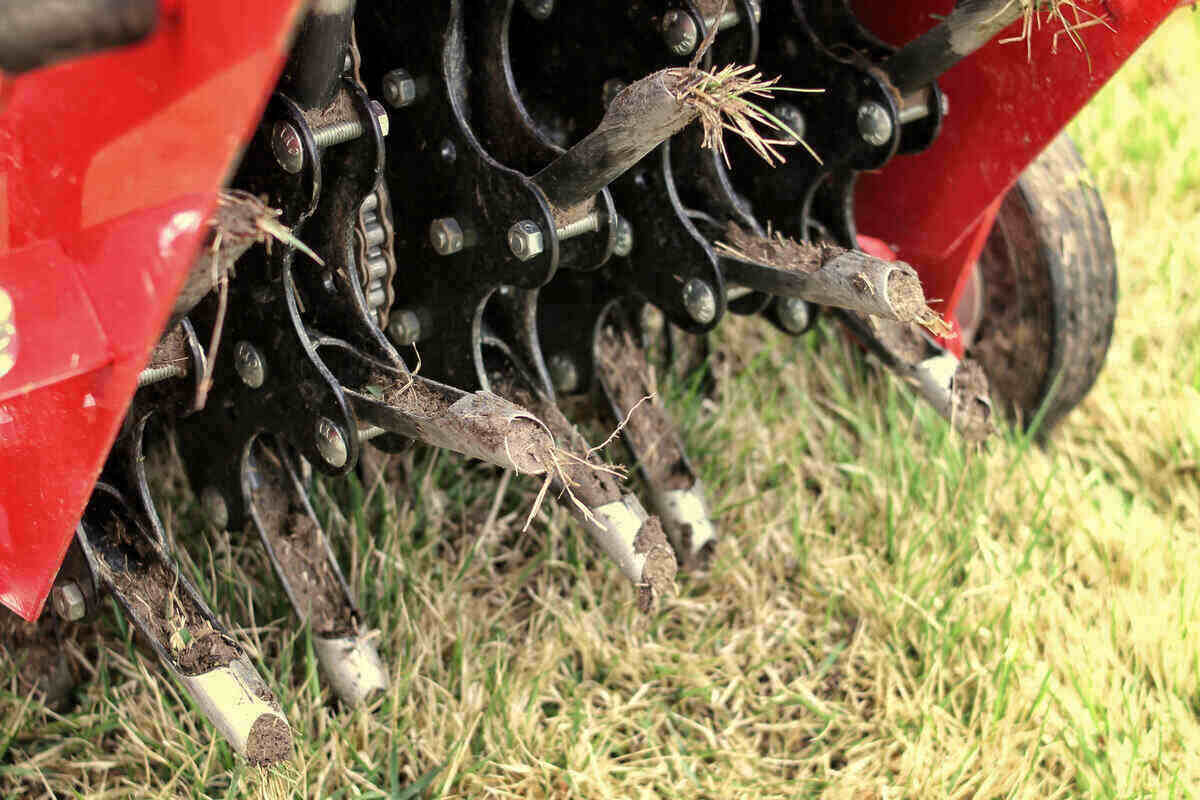
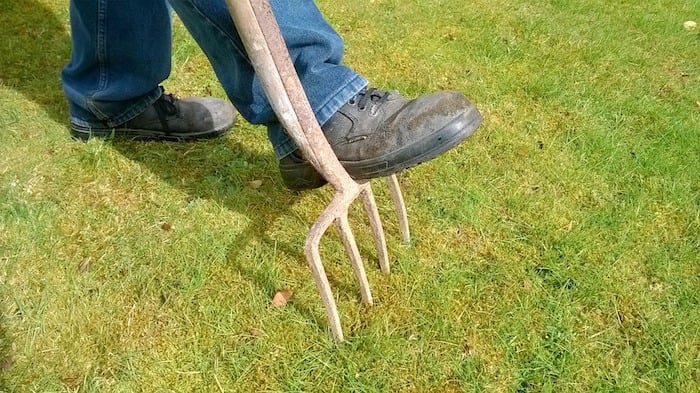
The biggest threat to your lawn after a party isn’t what you can see; it’s compacted soil. Core aeration relieves compaction by removing small soil plugs to allow air, water, and nutrients to reach your grass roots more easily.
Restore and rebuild damaged areas
After addressing soil compaction, overseed bare or thin spots with grass seed that matches your existing lawn type. Overseed thin or bare spots within one week of your event for the fastest recovery.
Use a starter fertilizer made for new grass seeds. These fertilizers have extra phosphorus that helps roots grow strong. Keep the soil consistently moist for 2 to 3 weeks after seeding. Water lightly but often to prevent seeds from drying out, but don’t soak the ground completely.
FAQ: Your party lawn questions answered
For most organic stains (food, drinks): First, rinse right away with cold water to weaken the stain. Then mix 1 tablespoon of dish soap with 1 quart of water. Put this mixture on the stain, wait 5 minutes, and rinse well with clean water. Do this again if the stain is still there.
For grease or other oil-based stains: Put cornstarch or cat litter on the spill to soak up the oils. Wait 30 minutes, then sweep it up and rinse the area with water. Relax. Most spills will disappear on their own after 2-3 weeks of normal watering and sunshine.
Yes. Some of the best grasses for high-traffic lawns include Bermudagrass, which handles foot traffic better than any other variety. Zoysiagrass is the next-best choice, as both stay thick and green even with heavy use. In cooler climates, tall fescue works best with its deep roots and thick blades. Perennial ryegrass is also excellent for entertaining because it recovers quickly from damage.
If you host parties often, plant tougher grass types in high-traffic areas. This keeps your lawn healthy and lets you enjoy your parties without worrying about damaging your grass.
Wait 4-6 weeks after putting down new sod before having a party on your lawn. New grass needs time to grow strong roots. To check if it’s ready, lightly pull on the grass. If it doesn’t come up easily, it can handle people walking on it. Small gatherings might be okay after 2 to 3 weeks, but for bigger parties, wait the full 4 to 6 weeks.
Your lawn’s party recovery success
Plan ahead and take care of your lawn after the party to keep it healthy. The best way to protect your lawn is to prevent damage and clean up quickly. Make your grass stronger before the event, control where people walk during the party, and fix any problems right away after everyone leaves. This approach stops most lawn damage from happening in the first place.
If you prefer to party without stressing over your lawn, let Lawn Love connect you with world class local lawn care professionals who mow, remove leaves, trim bushes, and keep your yard party-ready all season long.
Main Image: Portable lawn protection tiles. Image Credit: kosoff / Adobe Stock
Related Posts: