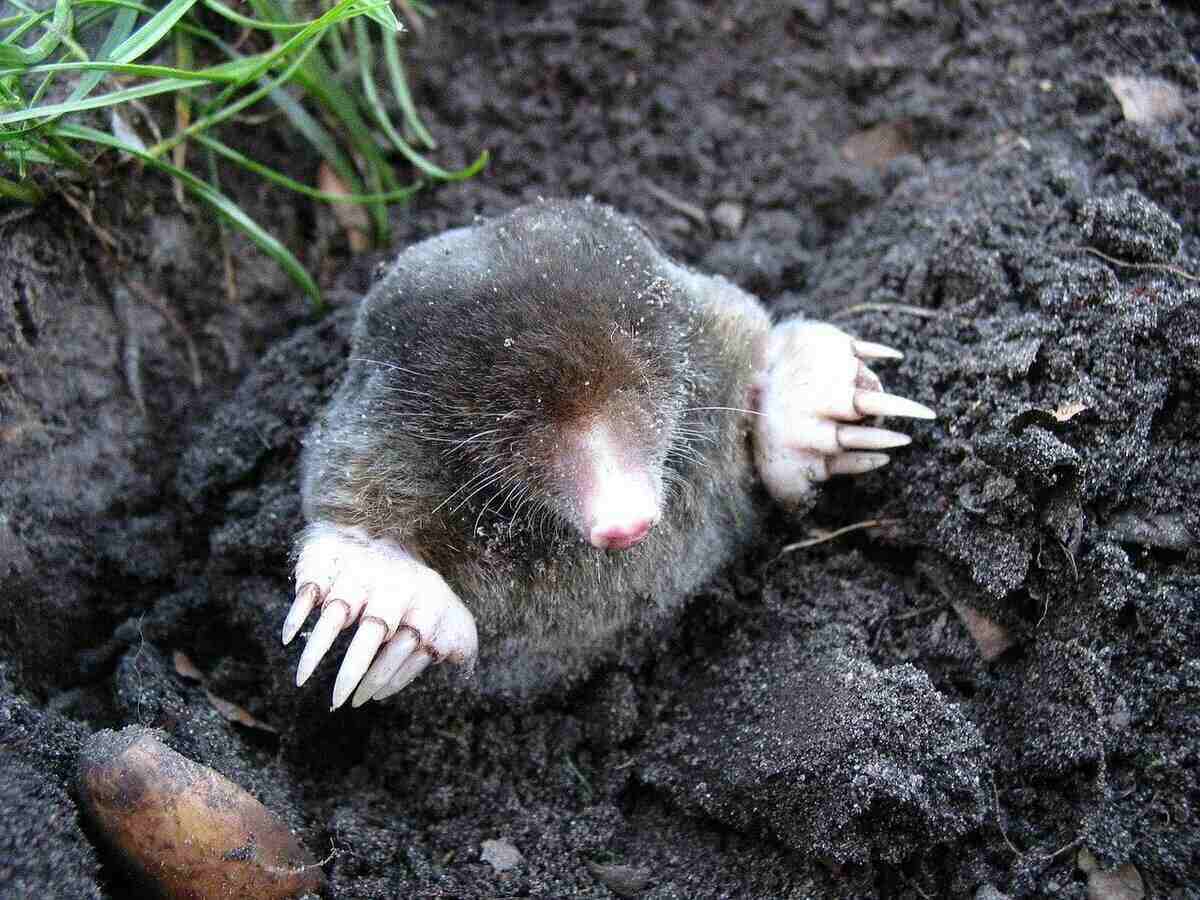
Raised ridges snaking across the lawn, streaks of dead or yellowing grass, volcano-like soil mounds, soft or spongy spots underfoot, and even sudden weed growth — these are clear signs that moles are tunneling beneath your yard.
Catching these signs early matters because the longer moles go undetected, the more they can disrupt your lawn’s health and appearance. In this guide, we’ll explore each of these signs in detail so you can identify mole activity with confidence.
1. Ridges crisscrossing your lawn

One of the clearest signs of mole activity is the presence of raised ridges snaking across your yard. These ridges often seem to appear overnight, leaving you puzzled by the sudden change. When I first noticed them, they felt soft underfoot and zigzagged in irregular patterns across the grass.
“The raised ridges, or surface tunnels, are unique to moles”, explains Robert A. Pierce, wildlife specialist at the University of Missouri Extension.
Jamie Nack, senior wildlife outreach specialist at the University of Wisconsin Extension, explains that while moles are rarely seen, their presence is easy to spot. As they tunnel in search of insects, grubs, and earthworms, they leave behind raised ridges and mounds of soil.
Read more: The Difference Between Moles and Voles
2. Discolored or dead grass
A couple of weeks after noticing ridges, I spotted another clue: patches of grass turning yellow or brown, often running right along the tunnel lines. The grass looked like it was drying out, even though it was being watered.
This happens because moles disturb the soil as they dig, loosening or damaging the roots just above their tunnels. Without solid contact with the soil, those roots can’t take in enough water and nutrients, and the grass begins to wither.
According to Nack, mole activity can vary throughout the year. “You’re more likely to notice tunneling and surface damage in the spring and fall, when soil is moist and their prey is closer to the surface,” she explains. In contrast, damage is less visible during the heat of summer, when moles dig deeper to follow food sources, or in winter, when they tunnel below the frost line.
Read more:
3. Mole hills

One of the most noticeable signs of moles at work is the sudden appearance of mole hills, small mounds of loose soil that can pop up overnight. Mole hills look like mini volcanoes that don’t have an open hole in the middle. Instead, moles plug their tunnels with dirt, leaving behind a neat, closed cone of soil.
Nack explains that moles create mounds with a vertical shaft. She adds that it’s important not to confuse mole activity with that of other animals. “Pocket gophers, for example, leave a fan of soil in one direction, and the shaft or entrance is generally on an angle. Voles do not create mounds of soil, but they do leave surface runways above the soil and through vegetation that is sometimes misidentified as mole activity.”
If you gently rake or kick the mound aside, you might uncover the tunnel entrance beneath, but from the surface, it’s not obvious. Even one or two fresh molehills are a strong indication that a mole has taken up residence in your yard.
Read more: How to Get Rid of Moles in Your Yard
4. Loose soil or soft spots
As you walk across your lawn, you may find certain areas that feel soft or spongy underfoot. This happens because moles leave behind air pockets and unsettled soil just beneath the surface when they tunnel.
Since these passages are often only a few inches deep, the ground above is supported by nothing more than a thin layer of soil and grass. When you step on it, that layer gives way slightly, creating the sensation of loose or collapsing ground.
5. Weed growth

Over time, mole activity can create the perfect conditions for weeds to take hold. As moles tunnel, they damage grass and expose bare patches of soil. These disturbed spots act like an open invitation for weed seeds to land, settle, and sprout.
I noticed that wherever a molehill had formed or grass had thinned along a tunnel, dandelions and other weeds appeared, taking advantage of the newly exposed ground.
Nack also points out that mole damage extends beyond opening the door for weeds. In well-manicured lawns, parks, or golf courses, she explains, “The raised tunnels and mounds can also interfere with mowing equipment and make it more difficult to walk,” making mole activity both unsightly and inconvenient.
Read more:
Don’t let moles ruin your lawn
Noticing signs of moles in your yard can be frustrating, but acting quickly can make a big difference. Whether it’s molehills, ridges, or wilting plants, these pests can destroy your lawn.
If you’re not one for pest control, LawnLove can connect you with a local pest control pro that is. They can take the hassle out of mole control so you can enjoy a beautiful yard.
Sources:
- Jamie Nack. Extension Senior Wildlife Outreach Specialist. University of Wisconsin Extension. Personal Interview.
- “Controlling Nuisance Moles.” By Robert A. Pierce. Extension Fish and Wildlife Specialist. University of Missouri Extension.
Main Image: Mole in a yard. Image Credit: kaliantye / Adobe Stock
Related Posts: