| Key Takeaways |
|---|
| • Core aeration removes physical plugs to instantly improve drainage, making it the best choice for severe compaction. • Liquid aeration uses a spray-on formula that gradually loosens mildly compacted soil. • Professional core aeration costs $104-$195 for one annual treatment; liquid aeration runs $90-$145 per application but needs 2-4 treatments yearly. • Core aeration shows improvement in 2-4 weeks, while liquid aeration takes 4-8 weeks to deliver visible results. |

Core aeration (also called plug aeration) removes soil plugs to relieve compaction, while liquid aeration uses a spray formula to loosen soil. Both methods improve drainage, nutrient absorption, and root growth, but they work differently and suit different lawn conditions.
Core aeration physically removes plugs 2-3 inches deep from your soil, creating immediate pathways for air, water, and nutrients. It’s ideal for heavily compacted lawns and clay soils. Liquid aeration sprays a solution that claims to penetrate 6-12 inches deep, creating microscopic channels over time. It works best for mild to moderate compaction without disrupting your lawn’s surface.
Whether you tackle this project yourself or hire a professional lawn aeration service, understanding the differences helps you choose the right method for your yard’s needs and your budget.
What is core aeration?

Core aeration (also called plug aeration or aerification) uses a machine to physically remove approximately 3-inch cores from your lawn, creating 20-40 holes per square foot. These holes should be about 3/4-inch in diameter and spaced 3 inches apart, according to Iowa State University Extension.
The removed plugs break down naturally on your lawn within 1-2 weeks, returning nutrients to the soil while the holes allow immediate air, water, and nutrient penetration to grass roots.
Core aeration works best for:
- Heavily compacted soil from foot traffic or construction
- Clay-based soils with poor drainage
- Lawns with thick thatch layers (over 1/2 inch)
- Properties with standing water or runoff problems
“If your lawn has soil compaction and the problems associated with it, it is good practice to core aerate,” says Dr. A.J. Lindsey, turf specialist with the University of Florida (UF/IFAS). “This will improve the soil conditions and make the turfgrass stand healthier.
“Core aeration is typically done on heavier (i.e., clay-based) soils,” Lindsey says, “but we are seeing good results with core aeration on compacted sandy soils.”
You can rent a core aerator for about $97-$108 per day (plus a $150 deposit) or schedule professional aeration which costs $104-$195 depending on lawn size.
Read more:
What is liquid aeration?
Liquid aeration applies a spray formula containing surfactants and soil conditioners that break surface tension and claim to create microscopic pathways up to 6-12 inches deep. Unlike core aeration’s immediate impact, liquid treatments work gradually as the solution bonds with soil particles.
The formula comes as concentrated or pre-mixed solutions you apply with a hose-end or backpack sprayer, taking 15-30 minutes for a typical lawn.
Liquid aeration works well for:
- Mild to moderate soil compaction
- Regular maintenance between core aerations
- Lawns where you can’t disrupt the surface (new sod, special events)
- Sandy or loamy soils that don’t need aggressive treatment
- Flower beds with delicate plant roots
The treatment requires moisture to activate—apply after light rain or irrigation, but avoid during drought or when grass is dormant.
A note on effectiveness: Liquid aeration may help maintain soil condition between core treatments, but it shouldn’t replace core aeration for lawns with serious compaction issues. Research from Colorado State University suggests no chemical compound can adequately loosen compacted soil the way physical removal of plugs does.
Read more:
Key differences between liquid and core aeration

Your lawn’s condition determines which method works best. Here’s a side-by-side comparison:
| Factor | Core Aeration | Liquid Aeration |
| Best for | Heavy compaction, clay soil | Mild compaction, maintenance |
| How it works | Removes physical soil plugs | Sprays chemical solution |
| Results timeline | 2-4 weeks | 4-8 weeks |
| Frequency needed | Once yearly | 2-4 times yearly |
| Professional cost | $104-$195 per treatment | $90-$145 per treatment |
| Annual cost | $104-$195 | $180-$580 |
| Lawn disruption | Leaves plugs for 1-2 weeks | No visible impact |
| Physical effort | High (heavy equipment) | Low (simple spraying) |
| Equipment needed | Rental aerator ($97-$108/day + deposit) | Sprayer and solution ($10-$50) |
| Damage risk | Can hit irrigation/utility lines | Minimal if applied correctly |
Soil compaction severity
Core aeration tackles severe compaction by physically creating holes that instantly improve drainage. It’s essential for high-traffic areas, clay soils, or lawns with standing water problems.
Liquid aeration handles mild to moderate compaction effectively. It maintains soil structure between core treatments or serves as your primary method if your lawn doesn’t have serious compaction issues.
Speed of results
Core aeration delivers visible improvements within 2-4 weeks as grass roots quickly exploit the new air and water channels. The immediate soil disruption jump-starts nutrient uptake and drainage.
Liquid aeration takes 4-8 weeks to show noticeable results as the formula gradually penetrates soil particles. While slower, it provides steady improvement without shocking your lawn.
Impact on your lawn’s appearance
Core aeration leaves 2-3 inch plugs scattered across your yard for 1-2 weeks until they decompose. Plan around events or expect a temporarily messy lawn. The holes close within several weeks as grass grows.
Liquid aeration leaves no visible trace—your lawn looks untouched immediately after application, making it ideal before parties or when curb appeal matters.
Treatment frequency
Core aeration typically requires one annual treatment during your grass’s peak growing season. Some severely compacted lawns may benefit from twice-yearly aeration.
Liquid aeration needs 2-4 applications per year to maintain results, increasing the annual time commitment and cost.
When to use each method by grass type
Timing your aeration correctly matters as much as choosing the right method. Aerating during peak growth gives your lawn the best chance to recover quickly and fill in any gaps. Here’s when to schedule each type based on your grass.
Cool-season grasses
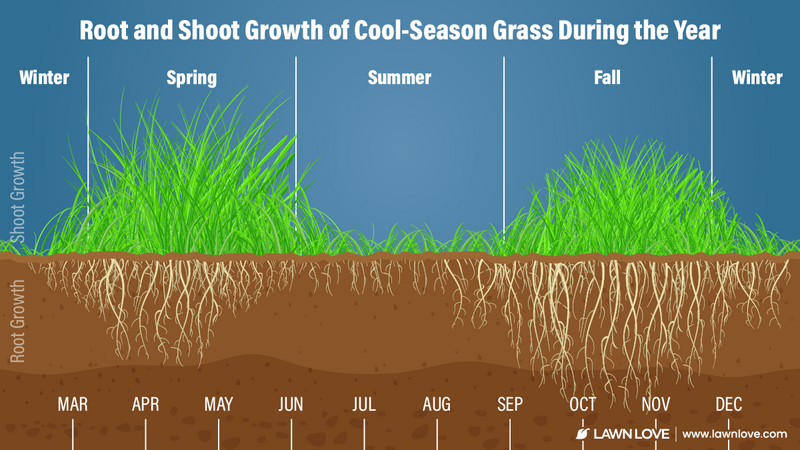
Grasses: Kentucky bluegrass, perennial ryegrass, tall fescue, fine fescue
Core aeration: Early fall (September to mid-October) is ideal. The cooler weather promotes strong root development before winter dormancy. Spring aeration (March to May) works but increases weed pressure—follow with overseeding and pre-emergent herbicide.
Liquid aeration: Apply 2-4 times during active growth periods (spring and fall), avoiding winter dormancy and summer heat stress.
Warm-season grasses
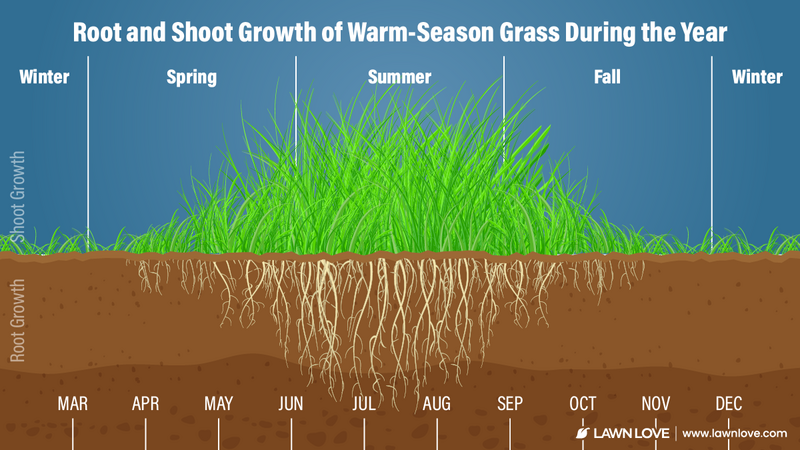
Grasses: Bermudagrass, St. Augustine, Zoysia, bahia, centipede
Core aeration: Late spring to early summer (May to June) aligns with peak growth when higher temperatures accelerate recovery. Never aerate in fall or winter—dormant grass can’t heal, leaving it vulnerable to weeds and cold damage.
Liquid aeration: Apply 2-4 times during the growing season (late spring through early fall). Skip applications during dormancy or drought.
Read more:
Cost comparison
Your budget plays a role in choosing between methods. Here’s what to expect.
Core aeration costs
DIY approach:
- Equipment rental: $97-$108/day (plus $150 deposit)
- Equipment purchase: $300-$1,000+ for homeowner models
- Marking flags for utilities: $10-$20
Professional service: Professional aeration averages $104-$195 based on lawn size and local rates. One annual treatment handles most lawns.
Hidden costs: Repairing damaged irrigation lines or utility cables can add $200-$500+ if you don’t mark underground systems carefully. Always call 811 before aerating to have utility lines marked for free and it’s the law in most states and can prevent dangerous (and expensive) accidents.
Liquid aeration costs
DIY approach:
- Product: $10-$50 per application (depending on lawn size)
- Sprayer: $20-$60 if you don’t own one
- Annual cost: $40-$200 for 2-4 applications
Professional service: $90-$145 per application with 2-4 treatments yearly totaling $180-$580 annually.
Which saves money long-term?
Core aeration costs less annually ($104-$195 for one treatment) but requires heavy equipment and physical effort. Professional lawn care services handle the logistics and avoid damage risks.
Liquid aeration has lower per-application costs but needs multiple yearly treatments. While gentler on your lawn, it typically costs more over 12 months than a single professional core aeration.
Read more:
FAQs
Liquid aeration can improve clay soil with mild to moderate compaction but won’t solve severe clay problems. The spray formula helps break surface tension and create microscopic channels, but clay’s dense particle structure often requires the physical disruption of core aeration for meaningful drainage improvement. For best results on heavy clay, start with core aeration and maintain with liquid treatments.
Liquid aeration effectively maintains healthy soil and treats mild compaction but doesn’t match core aeration for severe problems. Core aeration physically removes soil, creating immediate drainage and air channels that grass roots exploit quickly. Choose liquid for maintenance or when you can’t disrupt your lawn’s surface and use core aeration for serious compaction, clay soils, or drainage issues.
Yes. Using both methods delivers better results than either one alone. Start with core aeration to break up severe compaction, then maintain the improved soil structure with liquid aeration 2-4 times per year. This combination provides immediate relief from heavy compaction while keeping your lawn looking good between treatments.
Yes, watering 2-4 hours after application helps the liquid penetrate deeper and distribute evenly through the soil. Use light irrigation (about 1/4 inch of water)—heavy watering can wash away the treatment before it bonds with soil particles. Always check your product label for specific post-application instructions, as recommendations vary by formula.
The bottom line on liquid vs. core aeration
Both core and liquid aeration improve lawn health, but your choice depends on your soil’s condition, budget, and maintenance preferences. Core aeration solves severe compaction with one annual treatment, while liquid aeration provides gentler maintenance requiring multiple applications.
Core aeration uses no chemicals and is safe for pets and kids immediately after treatment. Liquid aeration requires keeping pets off the lawn for 2-4 hours and choosing eco-friendly products to minimize environmental impact.
Not sure which method your lawn needs? Connect with a local Lawn Love aeration professional who can assess your soil condition and recommend the most effective treatment plan. Our pros handle everything from equipment to cleanup, so you can skip the heavy lifting and enjoy a healthier lawn.
Main Image: Liquid aeration versus core aeration lawn comparison.
Image Credits:
Liquid Aeration: Shutterstock
Core Aeration: Dziurek / Adobe Stock
Related Posts:


