| Key takeaways |
|---|
| • Gas prices above $4 per gallon are squeezing lawn care companies that operate large fleets. • Fertilizer prices are up 30% to 50% since the start of the Iran conflict and Strait of Hormuz shutdown, adding pressure to already high fertilizer costs and directly affecting the cost of lawn treatment services. • Some lawn care companies are adding fuel surcharges for the first time in years. • Shopping around and bundling services into a recurring plan remains the best way to control your lawn care costs. |

Multiple cost pressures are hitting the lawn care industry: Gas prices are climbing, fertilizer costs have surged due to the Iran conflict, and equipment prices are up because of ongoing tariffs.
For lawn care businesses that depend on fuel-heavy trucks and mowers, the math is getting tighter. Some of those costs are naturally starting to reach you.
Here’s what’s driving the price hikes, what you should expect to pay in 2026, and how to keep your lawn looking good without overpaying. If you’re searching for a new lawn care provider, Lawn Love can give you an instant quote to help you easily compare your options.
What’s driving lawn care price increases in 2026
Cost drivers at a glance:
| Driver | Change | Impact on service price |
| Gas/diesel prices | Up ~$1/gallon since early 2026 | Potential $1–$5/visit fuel surcharge |
| Fertilizer (urea/nitrogen) | Up 30%–50% since February 2026 | Higher treatment package pricing |
| Battery-powered equipment | Up ~8% (China tariff, Jan. 2026 | Higher equipment replacement |
| Steel/aluminum (mower components) | Ongoing tariff pressure | Higher fleet maintenance and parts costs |
For context, fertilizer costs jumped 22% between February 2025 and 2026 due to tight global supplies and high European energy prices, and more than 46% in March alone.
Gas prices hit hard
Lawn care is a fuel-heavy business. A typical crew runs a truck and trailer all day, plus gas-powered mowers, trimmers, and blowers. They burn fuel from morning to close. When gas prices rise, those costs add up fast. According to Yahoo News, lawn pros are paying more than $400 extra per week in fuel compared with earlier in the season.
Tammy Sons, founder and CEO at TN Nursery in Altamont, Tennessee, carefully weighs how to handle these spikes.
“I’ll often cover some of a quick increase in fuel costs, but if diesel is expensive for a long time, months in fact, and affects every team’s journey, a clear fuel surcharge is better than having to change contracts all the time,” she says.
Andrew Day, owner at Advanced Quality Lawn in Northeast Ohio, takes a slightly different approach across the 99 ZIP Codes he services.
“I only add a fuel surcharge when it’s volatile enough that I can’t price it fairly for a full season. Otherwise I’d rather adjust renewal pricing once and keep it predictable, then lean on our service-call policy and full-program guarantees so customers feel they’re paying for outcomes, not fees.”
Fertilizer costs jump

The Iran conflict has disrupted the Strait of Hormuz, which is the shipping route for roughly one-third of globally traded fertilizer. This sent urea and nitrogen prices up 30% to 50% since late February, according to the DTN Fertilizer Index. Companies that purchase fertilizer in bulk are seeing dramatically higher materials costs, and some are already adjusting service pricing to reflect it.
Tyler Wilson, owner of Copperhead Property Maintenance in Lutz, Florida, says that lawn care companies have no choice but to pass higher fertilizer costs directly to the customer. If a professional tries to save money by using less product, the grass will suffer, and homeowners will quickly notice their lawn thinning out or losing its bright green color.
Equipment costs rise
Tariffs on Chinese lithium-ion batteries have pushed up the cost of battery-powered equipment by approximately 8%, according to Mordor Intelligence. Steel and aluminum tariffs continue to affect mower decks, replacement blades, and trailer components.
Cash Payne, owner of United Constructors Inc. in Contra Costa County, California, has managed these kinds of cost waves for over 30 years.
“The hardest cost to absorb is always the one tied to the project timeline. For us that’s equipment and labor logistics,” Payne says. “You can value-engineer materials, but you can’t compress time without cutting corners.”
Sons points out that new technology also plays a role.
“Battery powered tools are better for the environment and quieter, yet the original expense and the price of replacement batteries have definitely made mowing more expensive,” she adds.
What you should expect to pay this season
Despite the pressures above, most homeowners won’t see dramatic price swings overnight. However, budgeting slightly higher than last year is smart planning.
2026 lawn care pricing benchmarks
| Service | Typical range | Notes |
| Standard mowing | $43-$69/visit | Includes mow, edge, trim, and blow; bagging extra |
| Lawn fertilization | $64-$385/application | Higher end reflects current fertilizer price increases |
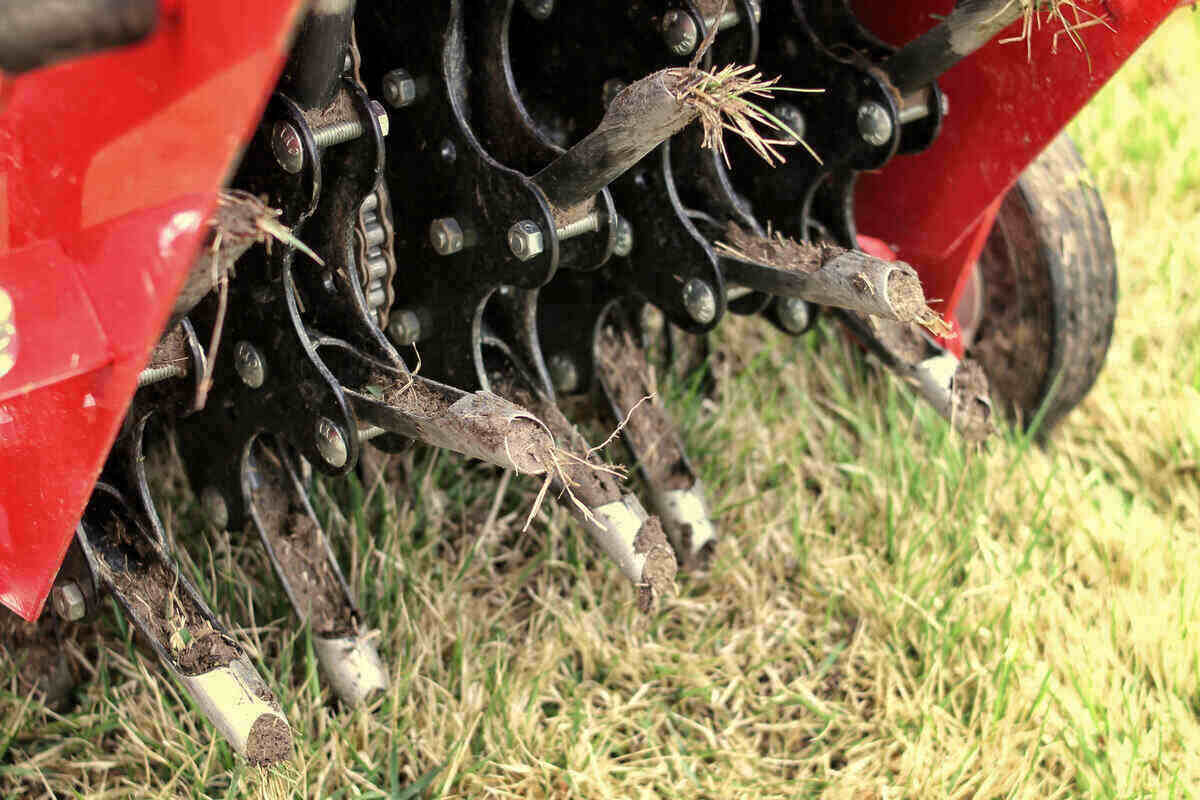
| Core aeration | $104-$195 | Based on lawn size |
| Weed control treatment | $49-$200/treatment | Per application |
| Full-service monthly package | $162–$530/month | Mowing + treatments; varies widely by region and lawn size |
| Annual full-service contract | $1,400–$3,300/year | Varies widely by region and lawn size |
Fuel surcharges
If your lawn care company adds a line item for a fuel surcharge, that’s increasingly standard industry practice when gas prices spike. A charge of $1 to $5 per visit is reasonable and common during high-fuel-cost periods. If the surcharge seems disproportionately large, it’s worth asking your provider how they’re calculating it.
Fertilization pricing
If you have an annual contract signed before the spring 2026 price spike, you’re likely protected for this season. New contracts and renewal quotes may reflect higher materials costs, especially for nitrogen-intensive fertilization programs.
Payne says transparency is the best way professionals can handle these changes.
“When costs rise across the board at the same time, the worst move is playing whack-a-mole with individual line items,” he says. “I bundle cost increases into a revised project scope upfront, so clients see one honest number instead of getting nickeled-and-dimed mid-job. That transparency is what actually keeps customers from walking.”
Tips for keeping your lawn care costs down

Bundle your services
One-time visits almost always cost more per visit than weekly or bi-weekly recurring service. A provider who comes every week keeps your lawn at a manageable height with less fuel and labor per visit, which is reflected in lower per-cut pricing.
Compare quotes
Pricing varies significantly by region, company size, and service package. Spending 15 minutes comparing quotes can save $20 to $40 per visit.
Rethink optional treatments
When prices go up, many homeowners try to save money by skipping fertilizer or weed control entirely. The experts strongly advise against this.
“I don’t tell people to skip feedings to save money. I adjust timing and intensity so dollars go where they actually move the needle,” Day says. “For example, we keep spring lighter and push a heavier feeding in fall because spring-heavy programs can invite early disease and weed pressure.”
Sons recommends a highly targeted approach rather than a blanket cancellation.
“I am telling customers to have their soil analyzed and only apply fertilizer to areas that need it,” she explains. “You can also spread applications further apart, or use slow release or natural mixtures where they would be suitable.”
Instead of cutting the important treatments, Wilson sees customers making smarter choices.
“The first thing I see people drop when renewal sticker shock hits is nice-to-have aesthetic work like seasonal cleanups or landscape extras. They’ll keep mowing, edging, and basic upkeep, but delay add-ons until the yard gets out of hand or after storm season.”
Providers often charge a premium for isolated properties or long drive times. If you and your neighbors use the same company, ask about a route discount. It’s in the provider’s interest to cluster stops.
DIY the easy stuff
Mowing is the most labor-intensive item on most lawn care contracts. If you have the time, taking mowing off the contract and hiring out only fertilization, aeration, and treatments can meaningfully lower your annual spend.
FAQs
Yes. Fuel surcharges are a standard industry practice when gas prices spike significantly. Most landscape companies build a baseline fuel cost into their pricing; when prices exceed that baseline by a material amount, a temporary surcharge helps them stay profitable without restructuring every contract. Surcharges typically disappear when prices normalize.
Possibly, but not always. Some providers use high-cost periods as an opportunity to reset their base pricing to a higher level, especially if labor and equipment costs have also risen. When shopping for new service, it’s worth asking whether pricing is tied to current fuel costs or is a flat annual rate.
If you’re planning to hire a lawn care company for the season, signing sooner rather than later can lock in current rates before further adjustments. Many companies offer pre-season discounts for early annual contract sign-ups as well.
Compare it against regional benchmarks and get at least one additional quote. Be cautious of quotes significantly below market rate. Very low bids often signal unlicensed operators, inadequate insurance, or corners being cut on service quality. The national average for a standard residential mow is currently in the $43–$69 range, with Southeast markets on the lower end.
Find a vetted lawn care pro near you
Dealing with rising costs and complicated lawn care schedules can take all the fun out of your weekend. You don’t have to stress over fuel surcharges and fertilizer prices on your own.
If you are searching for a reliable team, Lawn Love makes it incredibly easy. Get an instant quote to compare your options, pick a schedule that perfectly fits your budget, and let vetted local pros handle the hard work so you don’t have to.
Main Image: Lawn mowed by a Lawn Love pro in Pittsburgh, PA. Illustration by Amy Stenglein / Lawn Love
Related Posts: