Just when your lawn seems to be resting for the season, winter weeds quietly move in. Weeds like chickweed, henbit, purple deadnettle, and even dandelions like the cool weather, and by the time spring arrives, they’ve already made themselves at home.
These weeds don’t need much — just a bare patch or a thin spot. Left unchecked, they spread quickly and steal nutrients from your grass before it even has a chance to wake up. Knowing what you’re dealing with makes a big difference. However, if weed control feels overwhelming, consider using a weed control pro.
Annual bluegrass

Annual bluegrass is easy to recognize by its light yellow-green color and boat-shaped leaf tips. By spring, it produces tiny white flowers and seed heads.
According to Jackie Jordan, horticulture agent at Clemson University Extension, “It is a troublesome winter annual weed, very noticeable during the winter in dormant warm-season lawns.”
Common locations: Found throughout the U.S., especially in the South and in transition-zone states where warm-season grasses go dormant. It thrives in damp or compacted turf areas.
Damage potential: Forms patchy clumps and produces hundreds of seeds even under mowing. It dies in summer heat, leaving bare spots that invite more weeds.
Control tips:
- Hand-pull small patches.
- When manual removal is not possible, “apply a systemic herbicide directly to the weed foliage using a foam brush or shielded sprayer to avoid contact with desirable plants,” advises Allison Bailey, agriculture and natural resources agent at the University of Georgia.
Prevention:
- Maintain a dense, healthy lawn.
- Avoid overwatering.
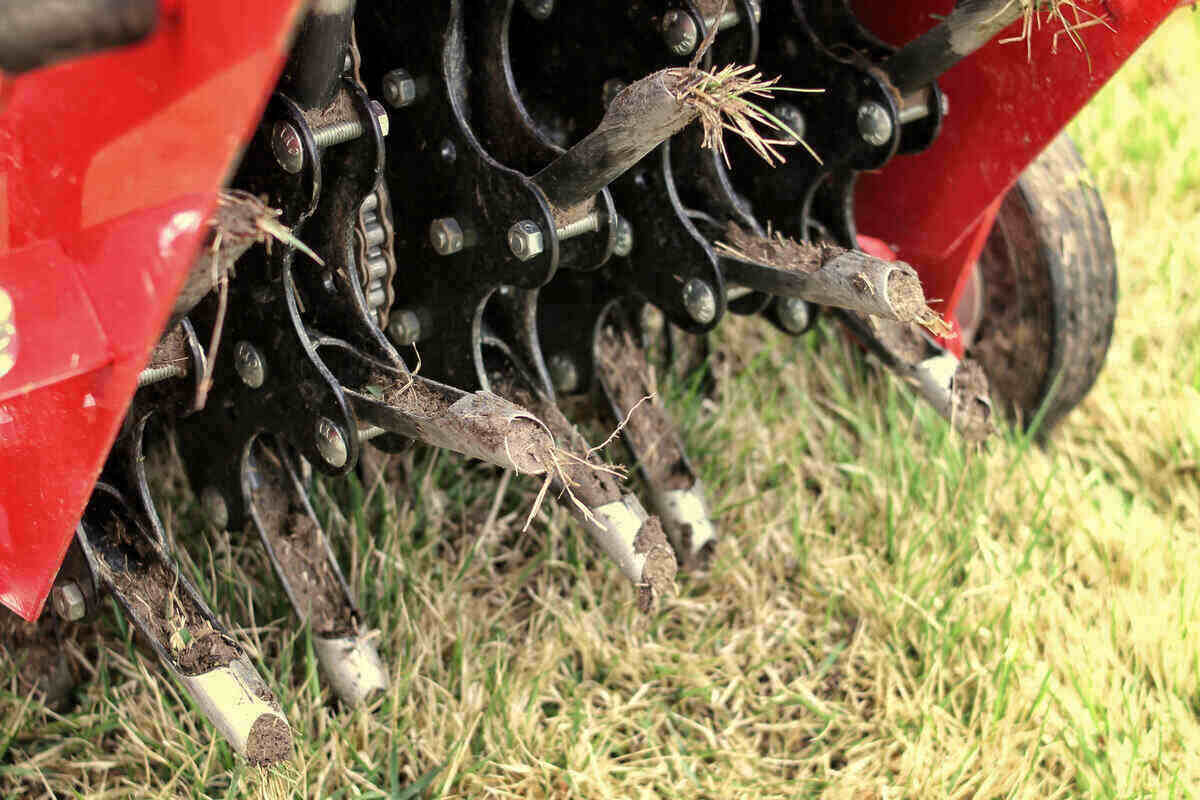
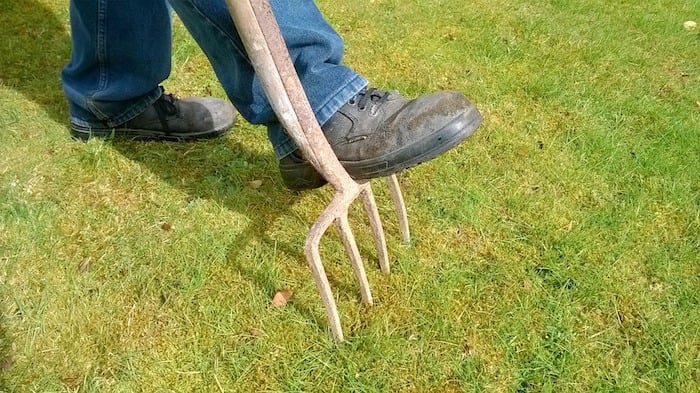
- Core aerate compacted soil.
- Apply pre-emergent herbicides.
Read more: How to Control Annual Weeds vs. Perennial Weeds
Chickweed

Chickweed is a low-growing winter annual that forms dense mats of light green leaves and tiny star-shaped white flowers. It stays green all winter in mild climates and blooms in early spring.
Common locations: Found across most of the U.S, especially in temperate regions. It thrives in cool, damp, and shady areas. It can survive under light snow.
Damage potential: Its dense carpet can smother lawns and groundcovers. Chickweed also produces seeds that can remain viable up to 10 years, according to experts at the University of Maryland Extension.
Control tips:
- Hand pull or use a weeding tool early, before it sets seed.
- Use a selective broadleaf weed killer. Bailey warns, “Make sure to read the label to determine any re-entry or re-planting intervals. And be very careful to avoid drift.”
Prevention:
- Maintain thick, healthy turf.
- Improve drainage in wet areas.
- Apply a pre-emergent herbicide.
Read more: What is Chickweed and How to Get Rid of It
Henbit

Henbit, a common winter annual of the mint family, has tiny purple trumpet-shaped flowers in spring. It has square, green to purplish stems with pairs of round, scallop-edged leaves.
Common locations: Found throughout most of the U.S., especially east of the Rocky Mountains. It is frequently seen in the Southeast and Midwest, where mild winters let it grow steadily. It thrives in low, damp lawn spots or under shrubbery.
Damage potential: It can quickly carpet bare patches and resists mowing due to its low growth habit.
Control tips:
- Apply pre-emergent herbicides in early fall.
- Use broadleaf herbicides while plants are still small.
Prevention:
- Keep turf vigorous to crowd it out.
- Improve drainage in damp areas.
- In beds, hand-pull henbit and mulch to prevent regrowth.
Read more: How to Kill Winter Weeds in Your Lawn
Hairy bittercress

Hairy bittercress germinates in the fall, stays a rosette through winter, then in late winter or early spring, it sends up slender stalks with tiny white flowers. Those turn into narrow seed pods that open at the slightest touch.
Common locations: Found coast to coast, especially in moist, shaded, or disturbed soils. It’s prolific in states with wet springs (Pacific Northwest, Northeast, Midwest).
Damage potential: Though small, it spreads quickly and can fill bare spots, slowing new grass growth.
Control tips:
- Remove early, before flowering.
- Hand-pulling is effective due to its shallow roots.
- For large infestations, apply a broadleaf lawn herbicide in early spring.
Prevention:
- Maintain dense to block growth.
Read more: What Are Pre-Emergent Herbicides?
Shepherd’s purse

Named for its heart-shaped, flat seed pods, shepherd’s purse begins as a rosette of lobed leaves and grows a slender, branching stem with tiny white flowers. It’s able to survive quite cold temperatures.
Common locations: Found nationwide in thin turf or neglected areas.
Damage potential: Creates bare spots and looks messy once seed stalks emerge. Competes with young grass for nutrients.
Control tips:
- Hand-pull early rosettes.
- Use a post-emergent broadleaf herbicide as a spot treatment.
Prevention:
- Keep your lawn dense to give shepherd’s purse less room to establish.
Read more: How to Apply Post-Emergent Herbicides
Purple deadnettle

A close relative of henbit, purple deadnettle has triangular or heart-shaped leaves that turn reddish-purple near the top and bear small purple-pink flowers in spring.
Common locations: Widespread across the U.S., particularly in the East and Midwest. It favors cool, moist, fertile soils.
Damage potential: Forms thick mats that crowd out desirable plants.
Control tips:
- Hand-weed small patches.
- Use a pre-emergent herbicide in the fall.
- Apply a post-emergent broadleaf herbicide in fall or early spring.
Prevention:
- Overseed bare spots and maintain a healthy turf.
- Mulch garden areas to block sprouting.
Read more: Types of Post-Emergent Herbicides
Prickly lettuce

Prickly lettuce looks like a wild version of garden lettuce, with a rosette that overwinters and a tall stalk that can reach 3 to 5 feet. Its leaves have prickly spines along the midrib on the underside. If you break the stem or leaves, you’ll see a milky sap. It produces small yellow flowers, which become white puffball seed heads that drift on the wind.
Common locations: Found in every state, thriving in open, sunny areas with dry, disturbed soils.
Damage potential: Spread seeds widely on the wind. Its deep taproot makes it difficult to remove and allows it to compete with turf for moisture.
Control tips:
- Dig or pull young rosettes, removing as much as possible.
- Apply a broadleaf herbicide on the rosette stage.
- Mowing can reduce seeding, but the plant may resprout if the root isn’t killed.
Prevention:
- Keep your lawn healthy.
Read more: When to Apply Post-Emergent Herbicide
Persian speedwell

Persian speedwell is a small, low-growing winter annual weed. It forms a spreading mat of stems with opposite, roundish leaves that have scalloped edges and hairy surfaces. It has tiny sky-blue flowers with white centers, which bloom in late winter or early spring. It roots at the stem nodes, helping it form a mat. It germinates in fall or late winter and can persist through cool seasons.
Common locations: Found in cooler, moist regions like the Northeast, Mid-Atlantic, Midwest, and Pacific Northwest. It favors thin or shady lawns.
Damage potential: Its dense mat can suppress grass and persist through multiple seasons via long-lived seeds.
Control tips:
- Hand-pull small infestations.
- Apply broadleaf herbicide in early spring or late winter.
- Use pre-emergent herbicides in early fall.
Prevention:
- Maintain a thick turf since it struggles to compete in a dense, well-maintained lawn.
- Address shady, thin areas by planting shade-tolerant grass or using mulch-groundcover.
Read more: When to Apply Pre-Emergent Herbicides
Dandelion

Dandelion is a perennial broadleaf weed, not just a winter annual, but it’s very active in the cooler seasons. They have a basal rosette of jagged, deeply lobed leaves and a long, sturdy taproot. They bloom from spring through fall with bright yellow flowers that turn into white puffballs full of seeds.
Common locations: Found everywhere in the U.S., even in cracks in sidewalks.
Damage potential: Competes aggressively with turf and regenerates if the full taproot isn’t removed. A single puffball can spread hundreds of seeds that remain viable for years.
Control tips:
- Bailey notes, “Since perennial weeds have deep root systems, control can often be tricky. The best thing (if there are only a few weeds) is to pull the weeds and dig out the root systems completely.” She recommends watering the soil lightly first, then loosening the root with a tool before pulling.
- For bigger infestations, selective broadleaf herbicides are effective.
Prevention:
- Maintain a thick lawn so there’s less open space for dandelion seeds to take hold.
Read more: How to Get Rid of Dandelions
For detailed instructions on removing winter weeds, visit our complete guide: How to Kill Winter Weeds in Your Lawn
Winter weed control made easy
Recognizing the winter weeds creeping into your lawn is a smart first step, and it can save you a lot of time and frustration down the road. Still, these persistent plants always seem to find a way in. If you need a hand, LawnLove can connect you with a pre-emergent treatment service to stop weeds before they sprout, or a weed control professional to keep your turf healthy and protected all season long.
Sources:
- Allison Bailey, ANR Agent. College of Agricultural & Environmental Sciences. Personal Interview.
- “Weed of the Month – Annual Bluegrass.” By Jackie Jordan. Area Horticulture Agent. Clemson University Extension.
- “Common Chickweed.” University of Maryland Extension.
Main Image: Collage of common winter weeds.
Related Posts: