| Key takeaways |
|---|
| ● Most spring lawn problems trace back to a bad fall decision, not a spring one. ● Grass growth follows soil temperature, not the calendar. Don’t put the mower away just because the leaves change color. ● Fall is the best time for fertilizing cool-season lawns, since root growth continues after top growth slows. |
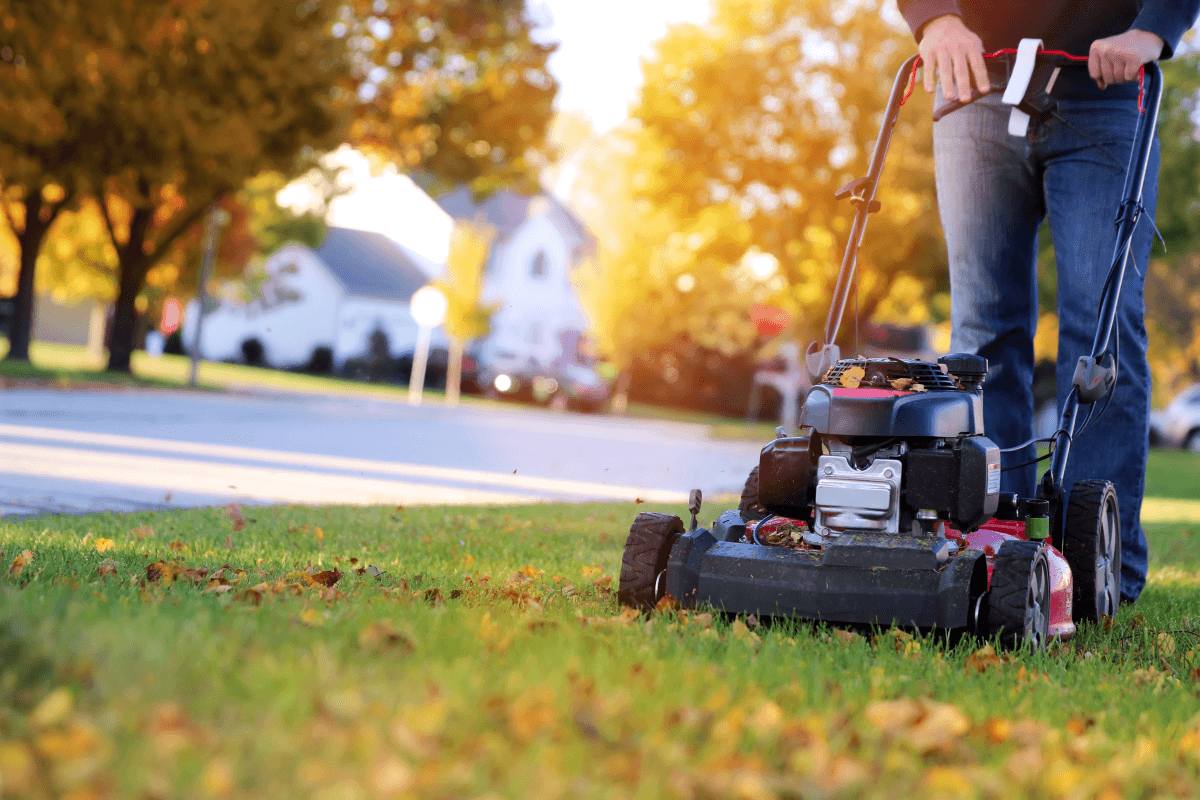
The most common fall lawn care mistakes don’t look serious in October. You quit mowing early. You skip the fertilizer. You let dead leaves smother the grass. You keep the sprinklers running. You miss the overseeding window and scalp the lawn on the final cut.
By April, these lazy decisions show up as thin turf and dead patches. Your lawn stays brown while the neighbors’ lawns green up perfectly. Fall is the season that determines your spring, so if you treat it like an afterthought, you’ll be working overtime to fix the damage.
Not sure which of these apply to your lawn this year? Lawn Love’s local pros can handle your fall checklist for you before winter sets in.
Mistake 1: Quit mowing too early
Once the leaves turn color, you assume your grass is done growing. You park the mower in the garage and call it a season. It usually isn’t.
Cool-season grasses keep growing well into fall. As long as soil temperatures stay in the 50s, your grass is growing. If you skip mowing during that final stretch, the grass gets too tall, and it flops over and mats down. This creates the exact damp, shaded conditions that snow mold and other fungal diseases need to take over during the winter.
Warm-season grasses like Bermuda, Zoysia, St. Augustinegrass, and centipedegrass are slowing down toward dormancy rather than pushing a late growth spurt. It’s normal for mowing frequency to drop off as they brown out, but don’t stop cutting entirely until the grass has fully gone dormant.
The fix: Keep a cool-season lawn on its normal mowing schedule until the grass actually stops growing. Ignore the calendar. If you wait too long to start mowing in spring when the growth restarts, you risk breaking the one-third rule and stressing the lawn right out of dormancy.
For warm-season lawns, keep mowing at whatever reduced frequency the slowing growth calls for, and don’t stop until the grass has fully browned out.
Mistake 2: Skip fall fertilizer
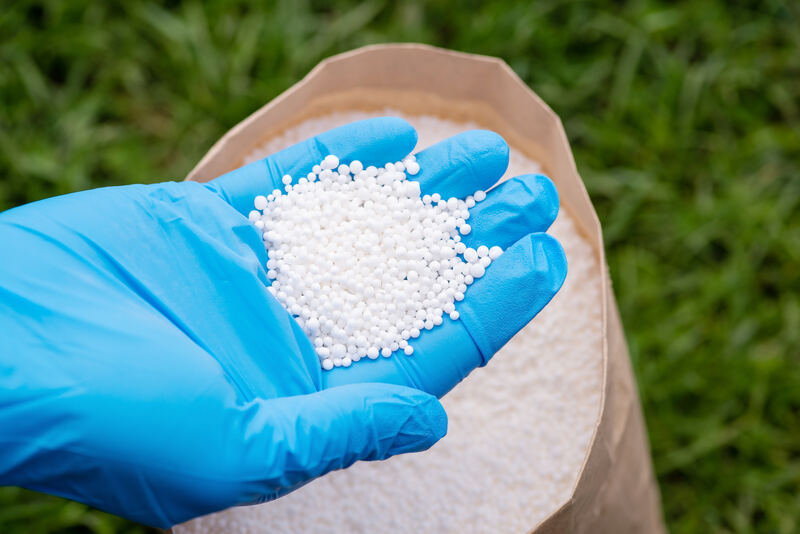
Summer is when most homeowners feel motivated to fertilize, and fall is when they usually check out.
Purdue’s turfgrass program notes that cool-season lawns should be fertilized mainly in the fall, since nitrogen applied then promotes root development and energy reserves that lead to earlier green-up and better disease tolerance the following spring and summer.
A lawn that skips fall fertilizer will look a little duller in October, and it also starts the next growing season with a shallower root system and fewer reserves to draw on.
Warm-season lawns are opposite and are shutting down for winter rather than building roots, so a fall nitrogen push forces soft new growth that won’t harden off before frost, raises the risk of cold injury, and can contribute to spring dead spots.
The fix: Plan on two fall fertilizer applications for cool-season grass: one in early-to-mid September while it’s still actively growing, and a second lighter application in the first few weeks of November, timed close to the last mow while the grass is still green.
University of Minnesota Extension recommends putting down roughly two-thirds of the lawn’s total annual nitrogen starting around the beginning of September.
Warm-season lawns need their nitrogen cut off much earlier, usually around mid-August, and no later than about six weeks before your area’s average first frost. After that, hold off on nitrogen entirely.
Read more: How to Choose the Best Fall Lawn Fertilizer
Mistake 3: Let leaves pile up
A few leaves scattered across the lawn aren’t a problem. A thick, matted layer is, and this one doesn’t care what’s growing underneath.
Left in place for several weeks, heavy leaf cover blocks sunlight and traps moisture against the plant’s crown. It can smother and kill the turf underneath, leaving dead patches that don’t show up until the leaves are gone and the snow has melted.
The fix: Mow over leaves regularly to shred them into the lawn rather than letting them accumulate. If the layer gets too thick to mulch in one pass, you’ll need to rake and remove it.
Shredded leaves left in place actually return organic matter to the soil, according to Iowa State University Extension. It’s a great lower-effort option than raking, as long as the pieces are small enough to settle down between the grass blades.
Mistake 4: Overwater as temperatures drop
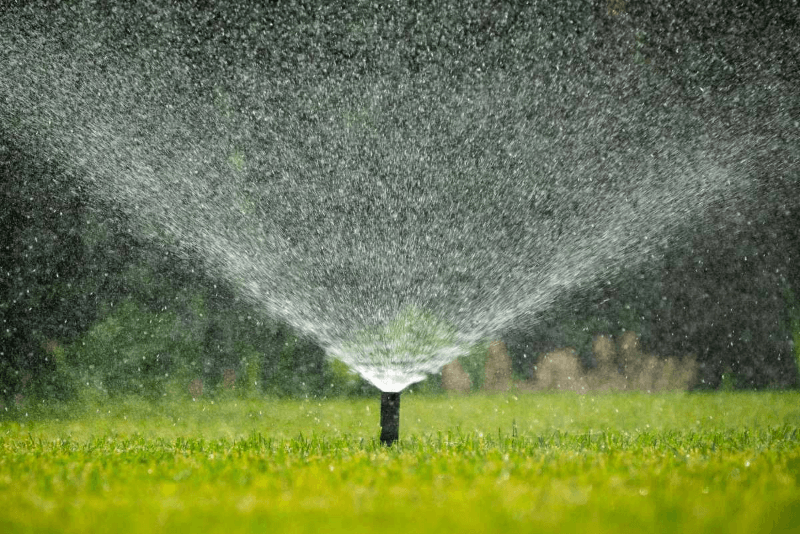
Sprinkler systems left on a summer schedule are a common fall problem. As temperatures cool and rainfall increases in many regions, a lawn’s water needs drop, but irrigation timers don’t adjust themselves.
The result is overwatering, which, in fall conditions, sets up a lawn for fungal disease rather than a healthy lawn.
Warm-season lawns still want roughly an inch of water a week, counting rainfall, while they’re easing into dormancy.
The fix: Tammy Sons, founder and CEO at Tennessee Wholesale Nursery in Altamont, Tennessee, says cool-season lawns need the dial turned down.
“When temperatures cool down, watering is mostly unnecessary unless you live in a super dry, hot drought area,” Sons says. “Cut down from 2 to 3 days a week to once at most. Cool weather and irrigation push dormancy, which will prohibit continued growth.”
Turn the system off entirely if rain is in the forecast, and make sure your sprinkler system is winterized before the first freeze.
For warm-season grass, keep that inch of water coming, delivered deeply and infrequently rather than in frequent light sprinkles, and let rainfall count toward the total. Once the lawn has gone fully dormant and brown, stop regular watering altogether.
Mistake 5: Miss the overseeding window
Fall is widely considered the best time to overseed cool-season lawns. The warm soil and cooler air give grass seed a head start, with less weed competition than with spring seeding. But that window is narrower than most homeowners assume.
University of Minnesota Extension puts the ideal overseeding window between mid-August and mid-September, with a hard cutoff by the end of the month in colder climates, because new grass needs enough time to germinate and mature before winter, or it won’t survive.
For warm-season lawns, fall is the wrong season to try to thicken things up. The soil is already cooling toward dormancy, so new warm-season grass seed either won’t germinate or the seedlings die at the first hard frost.
The fix: If you plan to overseed a cool-season lawn, do it in early fall rather than “getting to it eventually.”
A seed put down too late doesn’t have time to establish a root system strong enough to survive winter. This means a thin, patchy lawn again comes spring, the exact problem overseeding was supposed to fix.
What if you missed the early fall window? Micah Burgess, general manager at Heroes Lawn Care in Omaha, Nebraska, says you shouldn’t wait for spring.
“You can put the seed down as a dormant seeding right before the snow comes,” Burgess says. “The problem with waiting until spring is that the ground can be muddy, so it’s harder to get good seed-to-soil contact. Then once summer hits, those new roots may be too weak to handle the heat.”
If your lawn is warm-season, save the real overseeding for late spring to early summer, once soil temperatures climb back into the mid-60s and the grass is actively growing.
Mistake 6: Scalp the lawn on the last cut
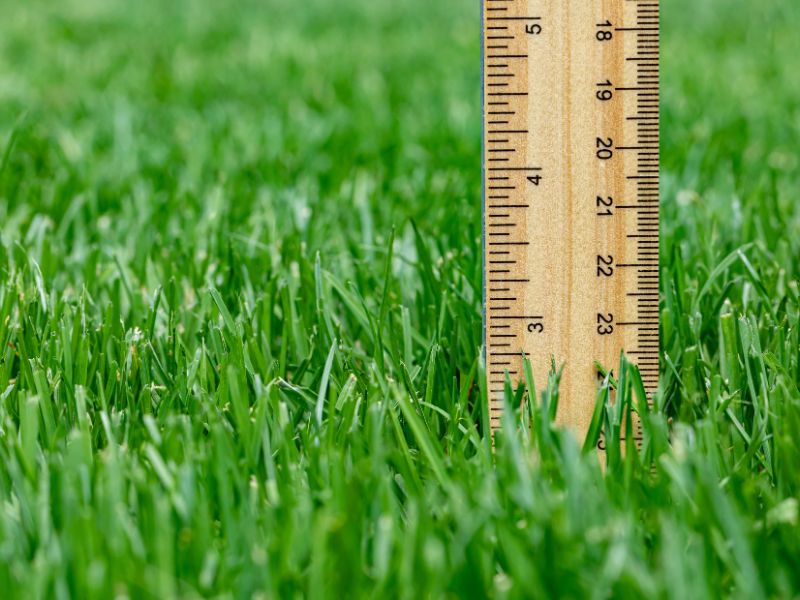
People have a weird instinct to cut the grass extra short before winter on the theory that a shorter lawn means less to deal with in spring. It’s one of the more damaging fall mistakes homeowners make.
Cutting too low right before dormancy leaves the grass crowns fully exposed. That increases the risk of winter injury and disease.
The fix: On cool-season lawns, lower the mowing height gradually over the last few cuts of the season rather than dropping it all at once. Stick to the standard rule of never removing more than a third of the blade in a single mow, even on the final cut.
“For most cool-season lawns, the target for the last cut (or mowing as we call it in Tennessee) of the season is around 2 to 2.5 inches,” Sons says. “Noticeably lower than the 3 to 3.5 inches recommended during the growing season, but not scalped.”
Warm-season lawns actually want the opposite adjustment on that final cut. The safer move going into dormancy is to leave the last cut slightly higher than normal, and not lower. That extra half inch of leaf tissue helps insulate the crowns through winter instead of exposing them.
Mistake 7: Ignore weeds because ‘it’s almost winter’
Cooler fall weather doesn’t slow weed growth like it slows grass growth. Some of the most persistent lawn weeds, like dandelions and clovers, actively store energy in their root systems during the fall.
That’s exactly why fall herbicide applications tend to be more effective than spring ones on cool-season lawns. Purdue research found fall-applied herbicides move with the plant’s food reserves straight to the roots for a more complete kill, while Kansas University field trials show fall dandelion treatments often achieve over 90% control the following spring, versus 50% or less from a single spring or summer application.
The weed problem on warm-season lawns looks a little different heading into fall. The bigger threat is winter annuals like poa annua, henbit, and chickweed, which germinate as the soil cools and can spread through a dormant, defenseless lawn all winter.
The fix: Spray your broadleaf weeds on cool-season lawns in the fall. Burgess explains the biology behind this strategy.
“Fall is also a really good time to go after tougher weeds like dandelions,” Burgess says. “And the reason is that the plant is pulling nutrients back down into the roots to store them for winter.”
“So when you spray it during that time, it moves down with those nutrients and gets into the root system. In spring, it’s kind of the opposite because all that energy is moving upward, so you don’t always get the same result,” he says.
On a warm-season lawn, apply a pre-emergent herbicide before soil temperature drops below 70 degrees, which blocks those winter annuals before they germinate.
FAQs
Every deadline in this article is anchored to your area’s average first frost date, not a fixed calendar day, so it’s worth pinning down before you act on any of it. Your local Cooperative Extension office publishes frost date data by county. You can also use Almanac to find your expected frost date by ZIP code.
Once you have that date, count backward, roughly six weeks out is when warm-season lawns should stop nitrogen, and it’s also the natural cutoff for cool-season overseeding to have enough runway before the ground freezes.
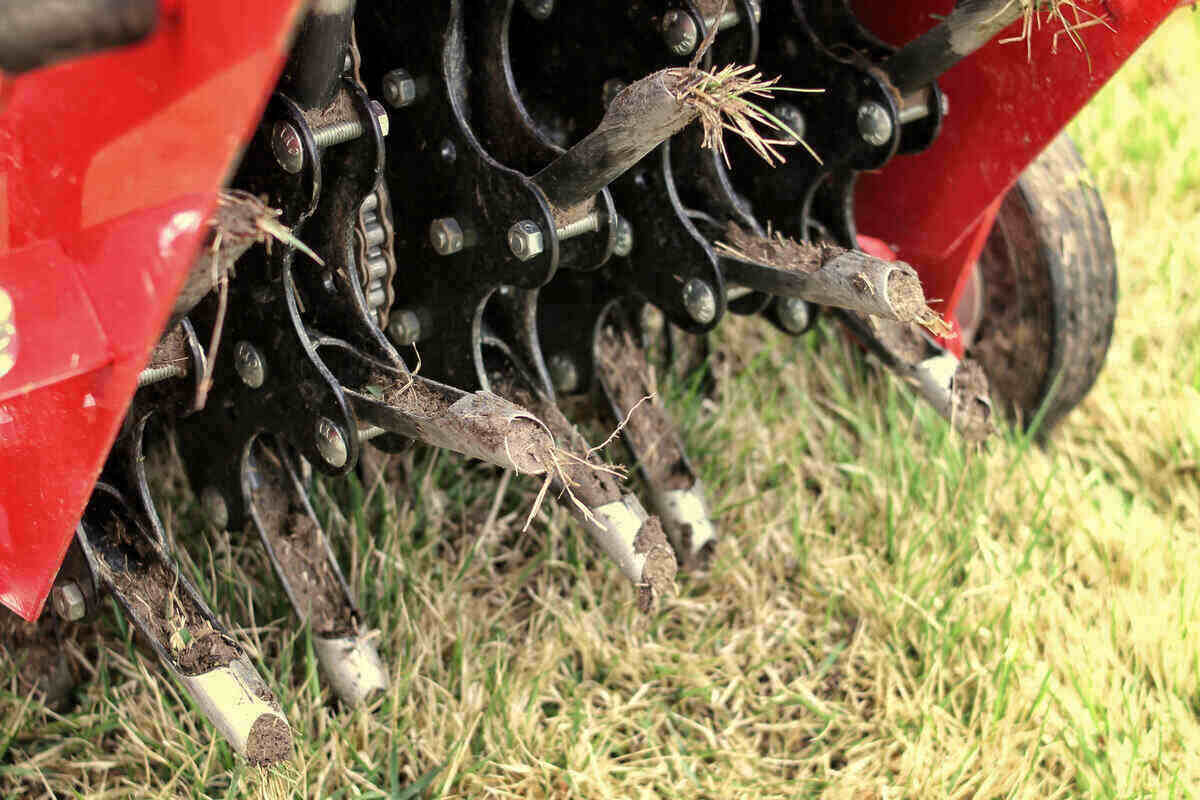
For cool-season turf, early fall is one of the best times to aerate, since it relieves soil compaction right before the grass enters its peak root-growth period and helps any overseeded grass seed make direct contact with the soil. Just remember to aerate before you fertilize or overseed.
Warm-season lawns need to be aerated in late spring to early summer instead, while they’re actively growing.
Maybe, but your options are slim. Fertilizer, overseeding, and weed control all need actively growing grass to work. Once the ground freezes, most fall tasks have to wait until spring, often after the damage has already set in.
Stop paying for fall mistakes in the spring
Getting the fall checklist right is a lot to track on your own. You have to nail the timing for your fertilizer, overseeding, weed control, and final mows, or you will spend all of next spring fixing the damage.
If you’d rather leave it to someone who does this every day, Lawn Love’s local pros will handle the prep work so your lawn wakes up flawless in the spring.
Main Image: A man mowing a lawn with scattered leaves. Photo Credit: Saklakova / Adobe Stock
Related Posts: