Lawns don’t have to be just plain green. Mix native plants and low-growing flowers to create a pollinator lawn that’s both appealing to the eye and supports pollinators.
In this article, I’ll walk you through how to assess your current lawn, choose the right plants, convert your regular lawn into a pollinator lawn, and maintain it, so you can transform your yard into an eco-friendly space full of life.
What you need
Before you begin setting up a pollinator lawn, make sure to have these tools and materials handy:
- Native seed mix or pollinator plant plugs
- Broadcast or handheld spreader
- Soil test kit
- Compost or topsoil
- Straw or another light mulch
- Watering tools (sprinkler or hose)
- Mower with adjustable height
- Rake or dethatching rake
- Tiller
- Core aerator
- Broom rake
- Garden scissors
- Garden trowel
Assess your current lawn
A little time spent up front assessing your current lawn can save you from headaches and redos later. Here’s all you need to check:
- Sunlight: Track light throughout the day to see how it moves in your yard. Most pollinator plants prefer at least six hours of sun.
- Soil: Test pH, nutrients, and texture using a soil test kit. Amend if necessary.
- Water: Assess drainage patterns in your yard to see how water moves through and off your site. Avoid areas that are too wet or dry out completely.
- Existing vegetation: If you already have native plants in your lawn, preserve them while setting up your bee lawn.
- Lawn size: Measure the length and width in feet and multiply them to get the square footage.
Read related:
Select the right plants

Plant choice is what makes or breaks a pollinator lawn. You want to offer nectar and pollen all season long, not just a quick burst in summer. Think about including these species:
- Ground covers: Creeping thyme, Dutch white clover, blue star creeper, Roman chamomile, wild strawberry
- Native wildflowers: Purple coneflower, black-eyed Susan, self-heal, wild bergamot, butterfly milkweed
- Native grasses: Indiangrass, little bluestem, big bluestem, switchgrass, blue grama
- Turfgrasses: Kentucky bluegrass, fine fescues
- Drought-tolerant plants: Sedum, yarrow, Russian sage, prairie dropseed, catmint
Try to work in 10 to 12 species, combining bloom times and structures like tall, low, clustered, and spreading to offer the most variety. For extra pollinator value, you can add a pollinator garden or native plant landscape.
“Pollinator lawns can provide important early-season food sources like dandelions and clover, but native plants and pollinator gardens offer more consistent benefits for a wider range of pollinators while also enhancing the beauty and ecological value of your landscape year-round,” says Spencer Campbell, Plant Clinic manager at The Morton Arboretum.
Read related:
- Kentucky Bluegrass: How to Grow and Care for It
- Fine Fescue: How to Grow and Care for It
- Best Ground Covers as Grass Alternatives
- 9 Best Drought-Tolerant Ground Covers
- Why Pollinators Are Important for Your Garden
Decide your installation technique

To create a pollinator lawn, you can either spread a seed mix to your lawn or install plugs.
Seeding creates a more natural, meadow-like look over time, with plants growing in a less even pattern, just like in the wild. It’s a great option if you’re covering a large area and want to encourage biodiversity from the ground up.
Installing plugs gives you instant structure. You can see where everything is, and pollinators can start visiting right away. It also helps you control the design more precisely, such as placing taller plants in the back or intentionally mixing colors.
Both methods support pollinators. Simply choose the one that best fits your timeline, budget, and vision for your yard.
Choose your conversion method
Once you understand your space, decide how much of it you want to convert and how quickly. If you live in the north, the best time to set up a pollinator lawn is in the late fall, while early spring works well in the southern states.
Gradual transition
| Difficulty: Intermediate Estimated time to complete: 2 to 3 hours spread over several weeks Project cost: Approximately $100 Disruption level: Minimal; the yard stays usable. It’s up to you how much of it you want to use. Before/after impact: Subtle changes over time; the lawn evolves slowly. |
This method keeps some grass while adding pollinator plants bit by bit. Follow these steps to gradually transition your lawn into a pollinator lawn:
- Use a fertilizer spreader to overseed your lawn with low-growing ground covers or native grasses. Lightly water the newly seeded areas to help seeds establish.
- Stop mowing weekly to allow grasses and flowers to bloom. Instead, mow every two to three weeks, or let part of your lawn grow naturally.
- Use organic fertilizers like corn gluten meal instead of chemical fertilizers.
- If you spot any weeds during the transition, hand-pull them to prevent them from overcrowding pollinator plants.
James D. McCurdy, associate professor and turfgrass extension specialist at Mississippi State University, says, “It’s common to create pocket prairies or floral islands throughout the yard. It’s the least disruptive for your yard while you’re transitioning.”
Read related:
- Different Types of Lawn Spreaders
- How to Overseed a Lawn
- How to Mow a Lawn the Right Way
- Does Corn Gluten Meal Work on Weeds?
Sectional conversion
| Difficulty: Intermediate Estimated time to complete: 4 hours or more depending on patch size Project cost: Approximately $150 Disruption level: Some disruption in areas you choose to convert. Before/after impact: You’ll notice a patchy look during the transition, but progress will become more visible over time. |
Sectional conversion is perfect if you’re testing how a pollinator lawn mixes with a traditional lawn before fully committing. It also works if you just want a few pollinator-friendly patches.
- Choose a sunny spot for your pollinator lawn.
- Define the edges with rocks or fencing to give the patch a structure and visual appeal.
- Layer in pollinator plants.
- If your turf is in good condition, you can overseed directly with ground covers or native grasses. Remove the grass if there are many weeds or signs of disease.
- Add compost to the soil to improve drainage.
- Plant seeds or plugs of native flowers and ground covers using a garden trowel as desired. Add mulch to protect the seeds.
- Keep watering the new seeds and hand-pull weeds as soon as you spot them.
Read related:
Complete renovation

| Difficulty: Hard Estimated time to complete: 2 to 3 days Project cost: $300 to $600, depending on lawn size Disruption level: High disruption; you’ll have limited access to your lawn during conversion. Not ideal if you have kids or pets. Before/after impact: A big visual shift after the work is done. |
If you’re ready to go all in, this is your route. It’s more work up front, but it gives you a clean slate to start a pollinator lawn. I would also recommend a complete renovation if there are too many bare patches in your turf or structural problems.
To get started, you should first remove your existing grass. Here’s how you can do it:
- Solarization: Cover your lawn with a clear plastic tarp for three to four weeks in the summer. Heat builds up under the tarp and kills grass and weeds. However, solarization only works in warm weather.
- Sheet mulching: If you live in a colder climate, layer cardboard over your grass and top it with mulch to suffocate it.
- Sod cutter: If you want quick results, rent a sod cutter from your local home improvement store to remove the grass and roots.
- Herbicide: Cover nearby plants with a tarp and apply a non-selective herbicide containing glyphosate to kill the grass. It can take up to a week to work. Don’t use herbicides with imazapyr, since they linger in the soil and can stop new grass from sprouting.
Once you remove the turf, follow these steps:
- Clear debris from the area and level uneven spots with a shovel.
- Amend the soil with compost.
- Till the soil to a depth of six to seven inches to loosen compaction and mix in the amendments. You can rent a tiller from your local home improvement store.
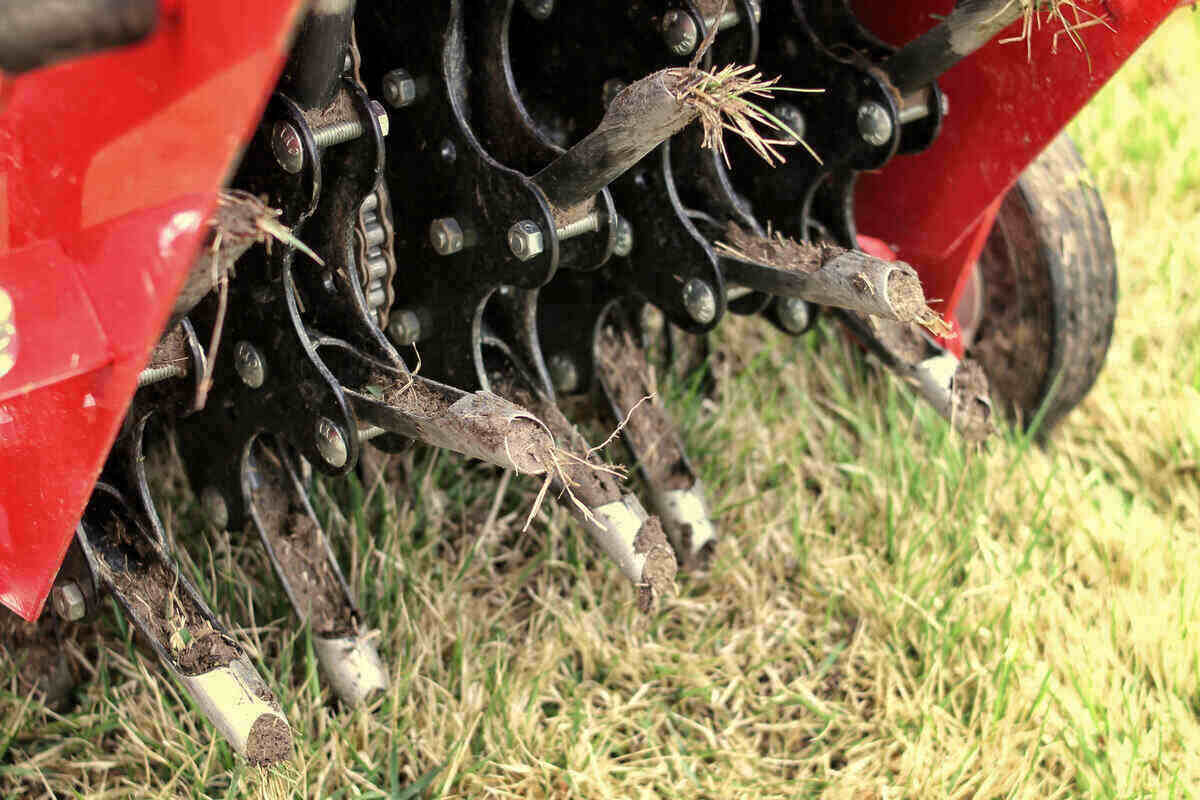
- If it’s been more than a year since you aerated your lawn, I recommend doing it again. Dr. Grady Miller, professor and extension turfgrass specialist at North Carolina State University, recommends: “Insert a medium- to large Phillips head screwdriver into the soil. If it doesn’t go in easily up to the handle, your soil is compacted.”
- Use a broom rake to level the ground. Dr. Miller adds, “The better the seed-to-soil contact, the better the seeds will establish.”
- Use a garden trowel to plant seeds or plugs as desired, and add mulch to protect the new seeds.
- Keep watering the new seeds and hand-pull weeds as they sprout.
Read related:
- How to Remove Grass
- What is Sheet Mulching?
- How to Use a Sod Cutter
- What Is Lawn Aeration?
- How to Aerate Your Lawn
Caring for your pollinator lawn
Setting up a pollinator lawn is just the first step. You need to maintain it properly so that it establishes well.
First-year care
Your pollinator plants will take root and grow during the first year, so you need to care for them properly.
- Watering: Keep watering the newly seeded areas one to two times a week, aiming for about an inch in total, until the seeds germinate. You can gradually reduce the frequency as the plants establish. If you notice water puddling, cut back, as too much water can wash away seeds.
- Weeding: Hand-pull weeds as soon as you spot them, as they can quickly crowd out young pollinator plants.
- Mowing: Reduce your mowing frequency to every two to three weeks so the grass and flowers bloom. For the first mow, wait until your lawn reaches five to six inches tall. After that, mow when the grass grows about three to four inches taller than your preferred height. You can also let sections of your lawn grow naturally.
- Monitoring: Keep an eye out for dry spots, pests, or diseases. Getting rid of them early helps your lawn stay healthy.
Seasonal maintenance

After the first year, here’s how you need to care for your bee lawn each season so it stays healthy:
- Spring: Fertilize with organic fertilizers like corn gluten meal, prune damaged plants, and overseed any bare spots.
- Summer: Water your lawn only during prolonged spells and remove weeds as they sprout. Deadhead faded flowers selectively to keep plants blooming longer.
- Fall: Rake leaves to prevent them from smothering plants, and add mulch to protect pollinator plants during winter.
- Winter: Most pollinator plants go dormant in winter, so avoid foot traffic and heavy pruning.
FAQs
Yes, but make sure to check your HOA rules first to see how long you can let your grass grow and which plants are allowed.
Yes, beneficial lawns can attract both unwanted insects and pests. However, natural predators like ladybugs and birds help keep them under control.
You can create a pollinator lawn in a dry climate, but choose drought-resistant native plants, ground covers, and turfgrasses.
For more information on pollinator lawns, check out these articles:
- What is a Pollinator Lawn?
- Beneficial Insects for Your Lawn and Garden: How to Identify and Attract Them
- 13 Easy DIY Raised Garden Bed Ideas
- 16 Vegetable Garden Ideas for Your Backyard
- 9 Reasons Why a Clover Lawn is Better Than a Grass Lawn
- What is a Freedom Lawn?
Get a beautiful pollinator lawn without the hassle
Pollinator lawns look great and support nature, but they can be tricky to start. If you want bees humming and butterflies dancing in your yard without breaking a sweat, get in touch with Lawn Love. Our gardening pros can build your pollinator lawn from the ground up.
Lawn Love pros can also mow your lawn when it’s tall enough, aerate when compacted, and control weeds. Hire a pro through Lawn Love today to get the job done right at a price you love.
Main Image: A honeybee is pollinating a white clover flower in a close-up shot of a green, grassy lawn. Photo Credit: Tosh Lubek / Adobe Stock
Related Posts: