| Key Takeaways: |
|---|
| • Only dethatch when thatch exceeds ¾ inch; thinner layers are beneficial and shouldn't be removed. • Cool-season grasses: dethatch in late August through September. • Warm-season grasses: wait until June or July when grass is actively growing. • If soil is compacted but thatch is thin, aerate instead of dethatching. • Skip dethatching during drought, on sandy soils, or when grass is stressed. |

Dethatching in April might seem like the right move until brown patches appear across the lawn two weeks later. Spring dethatching can destroy your lawn when done at the wrong time or for the wrong reasons. If thatch is minimal, the grass is stressed, or the timing doesn’t match your grass type’s growth cycle, skipping dethatching is often the smarter choice.
In some cases, dethatching can damage healthy turf and set your lawn back instead of helping it. This guide explains when dethatching becomes a mistake, how to assess thatch levels correctly, and how to time it for your grass type while avoiding common pitfalls.
- What is thatch, and why is it important?
- How to tell if you have too much thatch
- Don’t dethatch outside your grass’s growth window
- Don’t dethatch thin thatch on stress-susceptible grass
- Don’t dethatch when the problem is soil compaction
- Don’t dethatch during drought or water restrictions
- Don’t dethatch sandy soil with low organic matter
- Quick dethatching decision guide
- FAQs
What is thatch, and why is it important?
Thatch is the layer of living and dead grass stems, leaves, and roots between green grass and soil. According to turf experts at the University of Tennessee Extension, a thin layer under ½ inch benefits lawns by limiting weeds, conserving moisture, and insulating grass crowns from temperature extremes.
Problems start when thatch builds up faster than it decomposes. A layer over ¾ inch restricts water, air, and nutrients, forcing roots to grow in thatch instead of soil. This makes grass vulnerable to drought and heat stress since thatch dries quickly and holds water poorly. Thick thatch also harbors disease.
Read more: What is Thatch?
How to tell if you have too much thatch

Cut out a small turf wedge and examine the brown spongy layer between green grass and soil. Compress it gently and measure its thickness.
Quick finger test: Press your finger into the lawn. If it feels spongy and doesn’t reach soil easily, you likely have excess thatch.
Here’s how to interpret what you find:
| Thatch thickness | Condition | Recommended action |
| Less than ½ inch | Healthy and beneficial | No action needed |
| ½ to ¾ inch | Early signs of stress | Core aerate and adjust your lawn care routine to reduce further buildup |
| ¾ to 1 inch | Restricts lawn health: may cause shallow roots, dry spots, pests, and diseases | Power rake to remove excess thatch |
| Over 1 inch | Excessive and harmful; grass struggles to grow | Dethatch thoroughly; expect some grass loss and follow up with reseeding and improved maintenance |
I’ve learned to check my lawn’s thatch every year to catch buildup early. That way, if dethatching is needed, I can plan it at the right time and avoid the common “don’ts” that cause more harm than good in spring.
Read more: How to Dethatch Your Lawn
Don’t dethatch outside your grass’s growth window
The biggest mistake homeowners make is dethatching when grass isn’t actively growing. Timing varies dramatically between cool-season and warm-season grasses.
Cool-season grasses: Avoid hot, dry periods

Cool-season grasses peak in spring and fall but struggle in summer heat. Never dethatch when it’s hot or dry—recovery will be poor and large patches may die.
Best timing for cool-season grass:
- Ideal: Late August through September. Cooler weather and more consistent rainfall create perfect conditions for recovery after dethatching.
- Acceptable: Mid-April, but only if the grass is actively growing and soil moisture is adequate.
As Dr. J. Bryan Unruh, associate center director and professor at the University of Florida Extension, explains, “You want to dethatch prior to periods of active growth to ensure the lawn has the greatest chance of recovery before the onset of stress periods.”
Warm-season grasses: Wait for green-up

Warm-season grasses go dormant in winter, green up in late spring, and peak in summer. The rule: wait until they’re actively growing to dethatch.
Best timing for warm-season grass:
- Ideal: June through July, when grass is in full active growth
- Avoid: Late winter or very early spring before green-up begins
“For warm-season turfgrasses, spring and summer are best as these are periods of active growth,” says Dr. Unruh. He adds, “One should avoid the fall as growth slows and temperatures cool down and daylengths become shorter.”
Dethatching before green-up can severely damage turf and delay recovery by weeks or months.
Read more: When to Dethatch Your Lawn
Don’t dethatch thin thatch on stress-susceptible grass
If thatch is under ½ inch and your grass is stress-sensitive, skip dethatching. Removing thin thatch offers little benefit and can harm your lawn. Remember, thin thatch protects soil, retains moisture, and cushions grass.
Never power rake weak lawns suffering from disease, insects, or environmental stress, or grass types that produce little thatch. Instead, strengthen the lawn through proper watering, balanced fertilization, and stress relief. Save dethatching for when thatch exceeds ¾ inch.
Read more: 8 Signs of a Drought-Stressed Lawn
Don’t dethatch when the problem is soil compaction
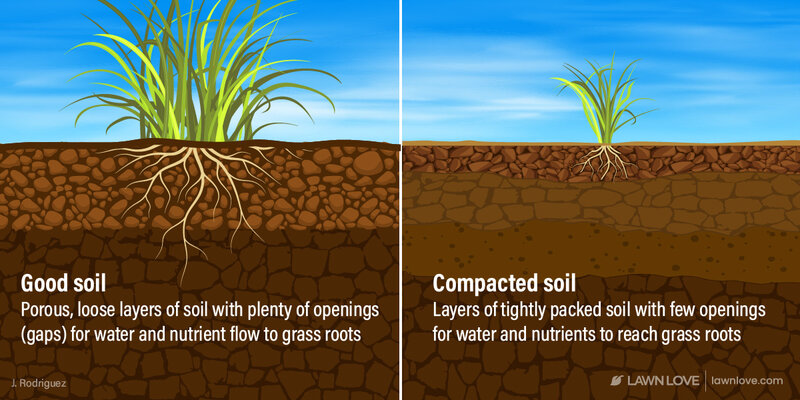
If your lawn has poor growth, standing water, or hard, dense soil, don’t rush to dethatch; it might not be the issue. When the thatch layer is thin but the soil beneath feels hard as a rock, dethatching won’t solve the problem. You’ll damage the grass while leaving the real cause untouched.
Core aeration is the better solution. It loosens compacted soil, improves air and water movement, and reduces thatch with far less stress.
Not sure which problem you have? Check thatch depth first. If it’s under ½ inch but the lawn struggles, try the screwdriver test. Push a screwdriver into soil; if it’s hard to insert, compaction is likely. Skip the dethatcher and aerate instead.
Read more:
- What Is Lawn Aeration?
- Difference Between Dethatching and Aeration
- How Much Does Lawn Aeration Cost?
Don’t dethatch during drought or water restrictions
Drought stresses lawns, so delay dethatching until conditions improve. As Laura Edwards, climatologist at the South Dakota State University Extension, explains, lawns need to conserve as much moisture as possible during dry periods.
Using a dethatcher on dry, hard soil can cause real damage. Without enough water and energy, the grass can’t grow new shoots and roots to fill in the gaps, leaving behind brown patches and bare spots that may never fully recover.
Read more:
Don’t dethatch sandy soil with low organic matter
Lawns in very sandy soil with little organic matter lack the microbes needed to decompose thatch naturally. Sandy soils drain quickly and leach nutrients rapidly, creating environments where beneficial bacteria and fungi struggle. If soil is poor, thatch might be one of the few things protecting grass roots from rapid drying and nutrient loss.
Signs of sandy soil problems: Pale grass, gritty or dusty soil texture when dry, lawn dries within a day of watering, difficulty maintaining green color despite fertilization.
Dethatching can backfire here. Instead, focus on soil improvement. Turf experts at the University of Illinois Extension recommend core aeration and topdressing with compost to add organic matter and boost microbial activity. Over time, this strengthens soil, reduces thatch naturally, and promotes healthier growth.
Read more:
- What Are the Different Types of Soil Amendments for Your Lawn?
- How to Use Compost in Your Lawn and Garden
Quick dethatching decision guide

Before you dethatch, use this simple checklist to determine the right approach:
Thatch under ½ inch + hard soil?
→ Core aerate, don’t dethatch. The problem is compaction, not thatch.
Thatch over ¾ inch + grass in active growth?
→ Safe to dethatch. Time it for peak growth periods (fall for cool-season, early summer for warm-season).
Any thatch thickness + drought, heat stress, or dormant grass?
→ Wait. Dethatching now will cause more damage than it fixes.
Thatch buildup + sandy soil?
→ Focus on adding organic matter through compost topdressing before dethatching.
FAQs
Dethatching when thatch is under ½ inch or during grass stress periods like drought, extreme heat, or dormancy. This damages healthy turf without providing any benefit.
If your soil is compacted (fails the screwdriver test) but thatch is thin, aerate only. If thatch exceeds ¾ inch and soil is compacted, dethatch first, then aerate 2-3 weeks later once the lawn begins recovering. When in doubt, Lawn Love can connect you with a local lawn care professional to assess your specific situation.
Before you dethatch, get professional advice
Before tearing into your lawn with a dethatcher, make sure you’re addressing the right problem at the right time. When in doubt, Lawn Love can connect you with a local care professional who can assess your turf and recommend the best approach. Sometimes, a lighter touch, like aeration, overseeding, or targeted fertilization, is all it takes to revive your lawn.
Sources:
- Dr. J. Bryan Unruh. Associate Center Director and Professor. Turfgrass Science. University of Florida Extension. Personal Interview.
- “An Example Bermudagrass Lawn Care Calendar.” University of Tennessee Extension.
- “Lawn Care During a Drought.” By Laura Edwards. Climatologist. South Dakota State University Extension.“Managing Thatch in Lawns.” University of Illinois Extension.
Main Image: Dethatching lawn with a rake in spring season. Image Credit: pitrs / Adobe Stock
Related Posts:


