| Key takeaways |
|---|
| • Overseeding adds new life to an existing lawn; reseeding replaces a dead one. • If your lawn has more than 50% healthy grass, overseed. If it has more than 50% weeds or bare soil, reseed. • Overseeding runs $0.07 to $0.23 per square foot while reseeding totals $0.67 to $1.33 per square foot including grass removal. • Seed cool-season grass in early fall. Seed warm-season grass in late spring to early summer. |

The difference between reseeding and overseeding comes down to one thing: whether you’re keeping your existing lawn or starting over.
Overseeding means spreading grass seed over your current turf to thicken it up and fill in thin spots. Reseeding means killing off your old lawn completely and planting new grass seed on bare soil. Most yards only need overseeding, while reseeding is for lawns destroyed by disease or weeds that require a fresh start.
Whether you are overseeding or reseeding, Lawn Love connects you with local lawn care professionals who know how to do it right.
Quick comparison: Reseeding vs. overseeding
| Feature | Overseeding | Reseeding |
| Definition | Spreading seed over existing lawn | Killing old lawn and planting new seed on bare soil |
| When to use | Minor damage, thin spots, annual maintenance | Severe damage, weed-dominated lawns (50%+ weeds) |
| Cost | $0.07 to $0.23 per sq. ft. | $0.67 to $1.33 per sq. ft. (includes lawn removal) |
| Time required | 1-2 weeks for germination | 4-6 weeks (includes killing old grass) |
| Labor level | Low to moderate | High |
| Lawn usability | Minimal disruption | Lawn unusable during regrowth |
| Best results | Existing healthy base needed | Fresh start for problem lawns |
What is overseeding?
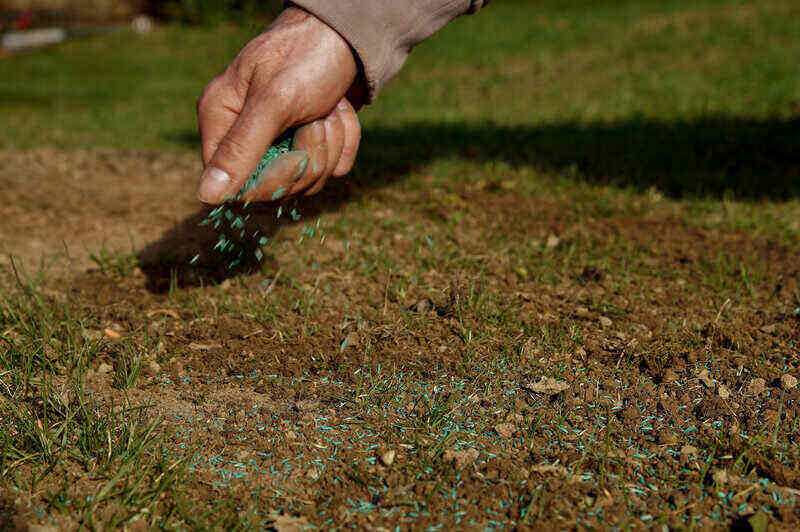
Overseeding is a simple refresh for your yard. You spread new seed directly over the existing turf without digging up the soil. This fills in the gaps where old grass has died off. The new growth keeps the lawn thick and crowds out weeds.
This is a standard yearly maintenance task for lawns like fescue that naturally thin out. Fresh seed fills the bare spots to keep the turf dense.
Read more: What is Overseeding?
Benefits of overseeding
BJ Hamilton, owner of Natures Own Landscaping in Springfield, Ohio, says the “fastest visible win from overseeding is stripe quality and color uniformity in high-visibility areas (front yard/curb line) because newer cultivars pop darker and tighter within a few mows.”
- It repairs minor damage: You can easily fill in small bare patches caused by dog urine or foot traffic. The existing grass protects the new seeds while they germinate.
- It improves lawn health: Newer grass varieties often have better disease resistance and drought tolerance. Adding these seeds to your yard makes the entire ecosystem stronger without a full lawn renovation.
- It saves money: Less expensive and labor-intensive than reseeding. You’re working with what you have rather than demolishing and rebuilding, which saves money and weeks of work.
- It fights weeds naturally: Weeds need open space and sunlight to grow. A dense lawn crowds out weed seeds. Regular overseeding keeps the turf thick enough to prevent crabgrass and dandelion invasions.
- Keeps warm-season lawns green in winter: Southern homeowners can overseed their dormant Bermuda or Zoysia with annual ryegrass for winter color.
Downsides of overseeding
Hamilton points out that overseeding won’t fix poor irrigation or shade where you try to grow sun-loving grass. It also fails in daily dog-urine spots. He notes, “Those are site conditions, not density problems.”
- Can’t fix severely damaged lawns: If your yard is mostly dirt or crabgrass, overseeding will not work. The new seedlings cannot compete with established weeds.
- Does not fix soil issues: New seed will likely die if your grass died because of soil compaction or poor drainage. You must pair seeding with lawn aeration to fix these problems.
- Whole-lawn grass changes: You cannot switch your entire lawn from fescue to Bermuda through overseeding. You must reseed the whole yard to change grass types completely.
- Older grass may outcompete new seedlings. If your existing grass is thick, it can crowd out new seedlings before they establish.
Read more: Should You Overseed Your Lawn?
What is reseeding?

If there is too much damage to your lawn, consider reseeding. This involves removing or killing all existing vegetation and preparing the bare soil for a fresh start. Reseeding is a construction project rather than a maintenance task.
Hamilton identifies the “point of no return” as when “roots you can peel back like carpet” appear. He advises, “If I can’t get a screwdriver 4 inches into the soil in most spots and the lawn pulls up easily, I go full renovation.”
Benefits of reseeding
- Total reset: It eliminates all weeds, wild grasses, and diseases currently plaguing your yard.
- Soil correction: You can till in compost, fix low spots that hold water, or grade the yard away from your foundation since you are exposing the soil.
- Change grass types: Reseeding is the only way to switch from a high-maintenance bluegrass to a drought-tolerant Buffalo grass.
- Long-term fix: Hamilton says reseeding’s real payoff is fixing underlying soil or grade failures so you stop paying to chase symptoms every single season.
Downsides of reseeding
- High cost and labor: You must pay to kill the old grass, remove the debris, prepare the seedbed, and mulch the new seed.
- Long downtime: Your yard will be a mud pit for weeks. You cannot walk on it or let dogs out until the new grass establishes. This can take a month or more.
- Weather risk: Hamilton warns heavy rain creates a “muddy, erosion-prone yard” before roots establish.
When should you overseed vs. reseed your lawn?
Start with the 50% rule: If half your lawn is healthy, overseed. If weeds or damaged grass dominate, you likely need a fresh start.
Hamilton treats this like triage. If you have simple broadleaf weeds, you might save it. But for grassy weeds or deep soil issues, overseeding just blends new grass into a mess. He explains those require a reseed-style reset.
If selling soon, Hamilton says overseeding usually offers better value. “Buyers forgive new grass growing, but they will not forgive a front yard that looks like a weed lot.”
Read more:
Choose overseeding if:
- Your lawn feels thin but is mostly healthy green grass.
- You have small brown patches from pet urine or foot traffic.
- You want to keep your current grass type but make it thicker.
- You are looking for a routine annual maintenance task to boost curb appeal.
- You want to improve natural weed control by increasing turf density.
Read more:
- How to Overseed a Lawn
- 10 Top Overseeding Mistakes to Avoid
- How to Repair Dog Pee Spots on Your Grass
Choose reseeding If:
- Weeds make up the majority of your green space.
- Grubs or disease have destroyed large sections of turf.
- Your soil is extremely uneven or bumpy and needs regrading.
- You want to plant a completely different type of grass.
- You need to install sod instead of seed for instant results.
If you struggle to determine the health of your lawn, a local Lawn Love pro can inspect your property and provide a recommendation.
Pro tip: Try the “screwdriver test” if you are unsure if your soil is the problem. Your soil is compacted if you cannot easily push a screwdriver 6 inches into the ground. You might need core aeration before you seed.
Read more:
How much does professional seeding cost?
While the condition of your lawn determines which method you need, the price difference is significant. Overseeding is a surface-level treatment, while reseeding requires an intensive construction process.
- Overseeding cost: The average price ranges from $0.07 to $0.23 per square foot. For a standard 5,000-square-foot lawn you might pay between $350 and $1,150, including labor.
- Reseeding cost: A full renovation costs more because it requires herbicide application and debris removal and soil prep. Prices can range from $0.67 to $1.33 per square foot depending on the amount of grading and soil amendment required.
Several factors influence the final cost:
- Grass seed type – Premium grass seed varieties cost more
- Lawn size – Larger lawns may get volume discounts
- Soil preparation needs – Aeration or dethatching adds to the cost
- Geographic location – Labor costs vary by region
- Timing – Peak season (fall) may have higher prices
Read more:
How Much Does It Cost to Seed a Lawn?
How Much Does it Cost to Lay Sod?
How Much Does a Gardener Cost?
FAQs
No, you can’t overseed St. Augustine. St. Augustine can’t be grown from seed—it’s only available as sod or plugs. If you need to fill in bare spots in your St. Augustine lawn, you’ll need to install sod or use grass plugs to spread existing grass into the bare areas.
Timing depends on your grass type:
• Cool-season grasses (fescue, Kentucky bluegrass, perennial ryegrass) should be seeded in late summer or early fall when soil is still warm but air temperatures are cooling. This gives seedlings time to establish before winter.
• Warm-season grasses (Bermuda, Zoysia, centipede) should be seeded in late spring or early summer when soil temperatures reach 65-70°F consistently. This timing takes advantage of their peak growing season.
Read more:
• Overseeding in Spring
• When is the Best Time to Plant Grass Seed?
Cool-season lawns benefit from overseeding every 1-3 years, depending on lawn health and foot traffic. High-traffic lawns may need annual overseeding to stay thick.
Warm-season lawns typically need overseeding less frequently—every 3-5 years or as needed for winter color. These grasses spread naturally through runners and fill in thin spots on their own.
Hire a pro to seed your lawn
Proper seeding takes more than scattering seed and hoping for the best. You need appropriate soil preparation, proper seed-to-soil contact, the right fertilization timing, and consistent watering for several weeks.
Whether you’re overseeding to thicken your current lawn or reseeding to start fresh, Lawn Love connects you with experienced lawn care professionals who know how to do it right.
Our local pros handle everything from soil testing, aeration, and fertilizing to seeding and proper mowing once your new grass is established.
Main Image: Side by side image of Reseeding and Overseeding.
Image Credits:
Reseeded Lawn: Shutterstock
Overseeding: dean / Adobe Stock Free / License
Related Posts:


