| Key Takeaways |
|---|
| • Cool-season grasses: Overseed in early fall (late August to September) when soil temp hits 50°F to 65°F for best results • Warm-season grasses: Overseed in late spring (May to June) when soil hits 65°F to 70°F • Soil temperature matters more than calendar dates. Use a soil thermometer for accuracy. • Avoid extremes: Never overseed during peak summer heat or deep winter freezes. • Better results: Proper timing improves germination rates by 40 to 60 percent. |

You need to hit the right window for overseeding for your new grass to grow. You should plant cool-season grass in early fall when the soil is 50 to 65 degrees. Warm-season grass needs to wait until late spring when soil temperature is at least 65 degrees.
Miss these windows, and your new seedlings will likely die from summer heat or winter frost before they can establish roots.
Lawn Love connects you with local pros to handle the job. We find experts who take care of everything from overseeding to fertilization.
Best time to overseed by grass type
Your grass type dictates your schedule. Grasses fall into two categories based on when they grow most actively. You must seed during this active growth phase.
Cool-season grasses (Early fall)

Types: Kentucky bluegrass, perennial ryegrass, tall fescue, fine fescue
Optimal window: Late August through September (4 to 6 weeks before first frost)
Second-best option: Early spring (mid-March to April), though weed competition increases
While many homeowners think of spring as the planting season, early fall is best for cool-season lawns.
“Fall is better than spring because the soil is still warm from summer, which speeds germination, while air temperatures are cooler, reducing stress,” explains Steve Rice, owner of Lawn Kings in Valencia, CA. “In spring, soil warms more slowly and weed competition is much heavier.”
Optimal conditions for germination:
- Soil temperatures between 50°F to 65°F (ideal for germination)
- Less weed competition
- Natural rainfall reduces irrigation needs
- New grass establishes before winter dormancy
Warm-season grasses (Late spring to early summer)

Grass types: Bermudagrass, Zoysiagrass, centipede grass, bahiagrass
Optimal window: Late April through June (after last frost; allow 6-8 weeks before extreme heat)
Avoid: Fall overseeding (seeds won’t germinate before winter)
Warm-season grasses love heat. They require warm soil to germinate and a long growing season to establish.
Taylor Olberding, co-founder of Heroes Lawn Care in Omaha, NE, warns against rushing the process. He recommends waiting until soil temperatures consistently reach 70 degrees.
“If you seed too early, the cold soil slows down growth and seedlings will compete with weeds or die,” Olberding says
Optimal conditions for germination:
- Target soil temperature around 65°F to 75°F
- Matches natural growth cycle
- Seeds germinate in 7-21 days vs. 30+ days in cooler weather
- Full growing season ahead for establishment
Note: St. Augustine grass is not available as seed and must be established using sod, plugs, or sprigs.
Read more:
Regional timing guide

Use this chart to find the general window for your location. Always verify with a soil thermometer.
Here’s when to overseed by USDA zone:
| USDA Zone | Region Example | Cool-Season Timing | Warm-Season Timing |
| 3 to 4 | Northern states (MN, WI) | Late August to mid September | Not recommended |
| 5 to 6 | Midwest, Northeast (IL, NY) | Late August to early October | Late May to early June |
| 7 to 8 | Transition zone (VA, NC, TN) | Early September to mid October | May to early June |
| 9 to 10 | South, Southwest (TX, CA, FL) | Late October (dormant seeding) | April to May |
Read more:
- Lawn Care Calendar for Cool-Season Grass
- Lawn Care Calendar for Warm-Season Grass
- When is the Best Time to Reseed a Lawn?
- What is Dormant Seeding?
Why timing matters and how to measure
Most people pick a date on the calendar and hope for the best. That approach often fails because air temperature is not the same as soil temperature. If the soil is too cold, seeds will rot. If it is too hot, the seedlings dry out.
Real success requires hitting a specific “Goldilocks” window where the ground is warm enough for germination but cool enough for root development. Before you buy seed, check your soil temperature:
- Cool-Season Grass: 50°F to 65°F
- Warm-Season Grass: 65°F to 75°F
Pro tip: Measure soil temperature 2 inches deep between 8-10 a.m. for 3 days to get an average. Don’t have a soil thermometer? Check the GreenCast map online or your county extension office.
Good to know: University of Massachusetts Extension states that seeding in the optimal window with good preparation can yield about 70%-95% seedling survival.
When NOT to overseed
Avoid seeding during these conditions to save yourself time and money.
- Peak summer (July and August for cool-season): “Hot summer temps stress young grass no matter how much you water,” Olberding says. “Seeds struggle to germinate and the seedlings can burn in the sun. That’s why even careful watering rarely saves summer seeding.”
- Deep winter (November to February): Seeds will not germinate in frozen ground. Seeds that sit on frozen soil often rot, wash away with snowmelt, or get eaten by birds.
- After herbicide applications: Pre-emergent herbicides prevent seed germination. “If a pre-emergent was applied, most lawns need to wait 8 to 12 weeks, or until after the product’s labeled seeding window, for success,” Rice says. Check product labels for waiting periods.
- Before heavy rain or wind: “Weather matters more than many homeowners realize,” Rice warns. “Heavy rain can wash seed into low spots, and strong winds can dry the surface or move seed before it anchors.”
Pro tip: Rice advises that if heavy rain or wind is forecast within 24-48 hours, you should reschedule.
Off-season overseeding times

There are three different “off-season” seeding methods. Each one serves a specific purpose.
1. Overseeding for winter color (Southern lawns)
Many homeowners in the South overseed their dormant Bermudagrass with perennial ryegrass.
- Goal: Temporary green color during the winter while Bermuda is brown
- Timing: October or November (once the Bermudagrass stops growing)
- Soil temp: 65-70 degrees F
- Result: A green lawn all winter. The ryegrass dies off naturally when the heat returns in spring.
2. Dormant seeding (Cold climates)
This technique involves putting seed down in late fall before the ground freezes solid.
- Goal: To have seeds ready to sprout the moment the ground thaws in spring
- Timing: Late fall or early winter, before the first deep freeze but after it is too cold for germination (usually November to December)
- Soil temp: Below 50 degrees F (cold but not frozen)
- Method: Requires soil preparation (aeration or raking) to ensure seed-to-soil contact
- Risks: If a warm spell occurs, seeds might sprout early and be killed by subsequent freezing weather
3. Frost seeding (Cold climates)
This is a low-maintenance method used in the North where you broadcast seed over frozen ground in late winter.
- Goal: To use the natural freeze-thaw cycles of the earth to work the seed into the soil
- Timing: Late winter or very early spring (usually February to March), when the ground is frozen at night but thaws during the day
- Soil temp: Frozen/fluctuating around freezing
- Method: You spread seed on top of the frozen ground (honeycombed soil) and let the heaving of the earth pull the seed down
- Risks: High seed loss from runoff or birds; success rates are generally lower (40% to 60%) than fall overseeding
Read more:
- How Often to Overseed Your Lawn
- What is Dormant Seeding?
- What’s the Difference Between Frost Seeding and Dormant Seeding?
Preparation tips from the pros
Timing matters, but soil prep decides if your seed actually survives.
“Mowing short before overseeding is critical because it lets seed reach the soil and reduces competition for light,” Rice says. You need seeds landing on dirt, not getting stuck on leaves.
Olberding adds that “a starter fertilizer is typically recommended because it supplies nutrients, especially phosphorus, that support early root development.” This helps young roots grow fast enough to beat out weeds.
Follow this checklist:
- Test your soil 2-4 weeks before overseeding to ensure your pH is between 6.0-7.0.
- Mow your grass low to about 1.5-2 inches to expose the soil.
- Dethatch if needed (over a half inch thick).
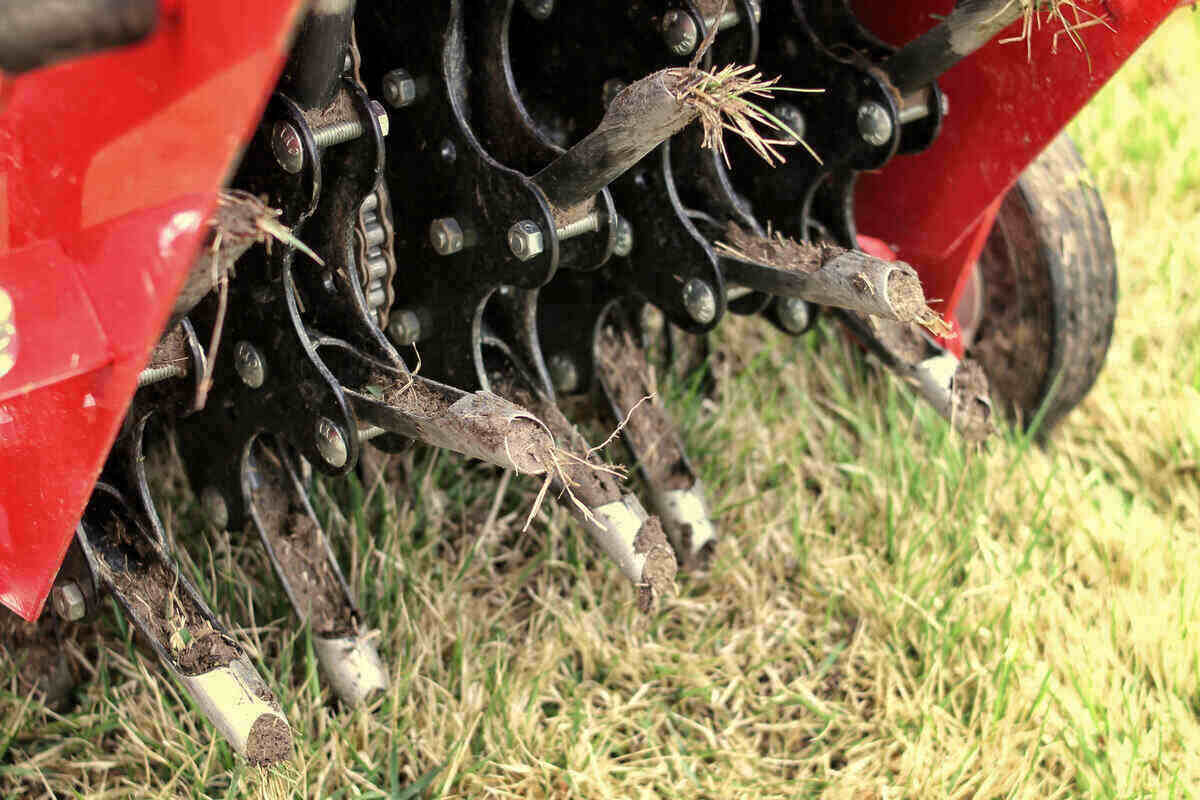
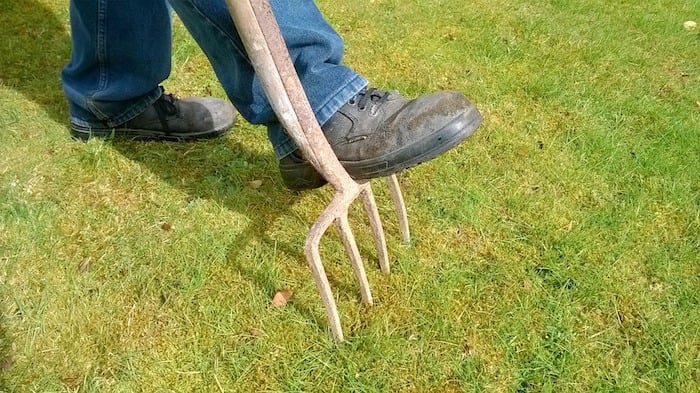
- Aerate compacted soil (especially for clay soils)
- Spread a high-phosphorus fertilizer to boost root growth
- Spread your grass seed evenly over the lawn.
- Water your new grass seeds lightly 2-3 times daily (5-10 minutes per session) until the new seedlings have grown about an inch tall.
Read more:
- How to Overseed a Lawn
- How to Overseed a Lawn Without Aerating
- How Long After Overseeding Can I Mow?
- A Complete Guide to Fertilizing New Grass
FAQs
For cool-season grasses, it’s too late if you have less than 4 weeks until your first expected frost date. New grass needs this minimum time to develop roots before winter.
For warm-season grasses, avoid overseeding if nighttime temperatures drop below 60°F consistently; germination will stall.
Overseed if your lawn looks thin, patchy, or worn out. If you see bare soil, brown spots, or weeds taking over, adding new seed will thicken your turf, improve color, and crowd out stubborn weeds.
Yes, most pre-emergent herbicides prevent all seed germination (including grass seed) for 6-12 weeks. Check your product label for specific waiting periods. Post-emergent herbicides typically require 2-4 weeks. Overseeding too soon wastes seed and money—the seeds simply won’t germinate.
Get professional overseeding help
If your yard is large or the soil is very compacted, the job can be difficult to do alone. Pros can also identify soil issues that might stop your new grass from growing. Hiring a pro for overseeding usually costs between $0.07 and $0.23 per square foot.
Our local lawn professionals can handle overseeding, aeration, fertilization, and all your lawn care needs so you can enjoy a beautiful lawn without the work.
Main Image: Overseeding grass by hand on patchy lawn. Image Credit: Mike Hayward / Adobe Stock
Related Posts: